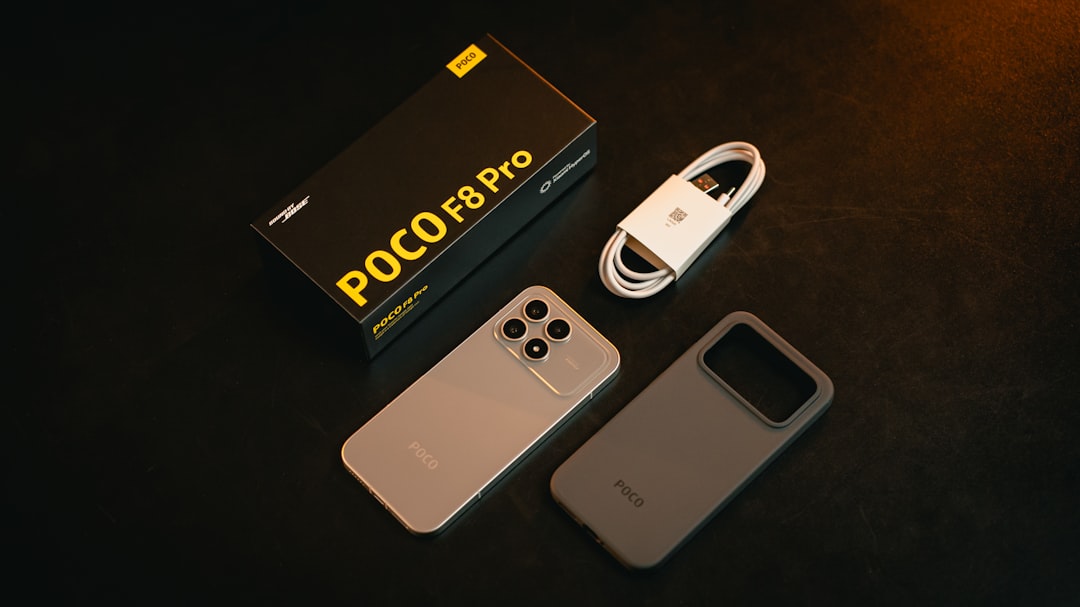
Poco's just dropped their first 'Max' phone, and I'll be honest - when the PR team told me about a ₹35K Poco, my first reaction was skepticism. The X8 Pro Max exists, costs ₹34,999, and represents something I never thought I'd see: Poco trying to be premium without the usual compromises.
After two weeks with this device, I'm convinced this isn't just another rebadged Redmi. This feels like Poco finally understanding what Indian buyers want when they're ready to spend flagship money. But is it worth your hard-earned ₹35K? Let's dive deep.
The 'Max' Philosophy: What Poco Got Right This Time
The 'Max' suffix isn't just marketing fluff. Poco has genuinely tried to maximize everything that matters - battery life, performance, charging speed, and build quality. The 6,100mAh battery is the largest I've seen on any mainstream flagship, and paired with 120W charging, it solves the biggest pain point for power users. The 120W HyperCharge is genuinely impressive - 0-100% in just 18 minutes during my tests. For Indian users dealing with erratic power situations and long commutes, this combination is significant.
Performance Deep Dive: Snapdragon 8 Gen 3 Delivers
The Snapdragon 8 Gen 3 paired with up to 16GB RAM (12GB + 4GB virtual) makes this phone an absolute performance beast. In AnTuTu, I recorded scores consistently above 1,650,000 - putting it in flagship territory. But synthetic benchmarks only tell half the story.
Real-world performance is where the X8 Pro Max shines. BGMI runs at 90fps with HDR+Extreme settings without breaking a sweat. Genshin Impact at highest settings maintained 58-60fps for extended sessions. The vapor cooling system, upgraded with a larger heat pipe and graphite layers, keeps thermals in check even during 2-hour gaming marathons.
For productivity users, the phone handles video editing in CapCut and DaVinci Resolve surprisingly well. Exporting 4K footage is notably faster than competing devices in this price range, making it viable for content creators who can't justify ₹60K+ flagships.
Camera System: Finally, A Poco That Takes Photos Seriously
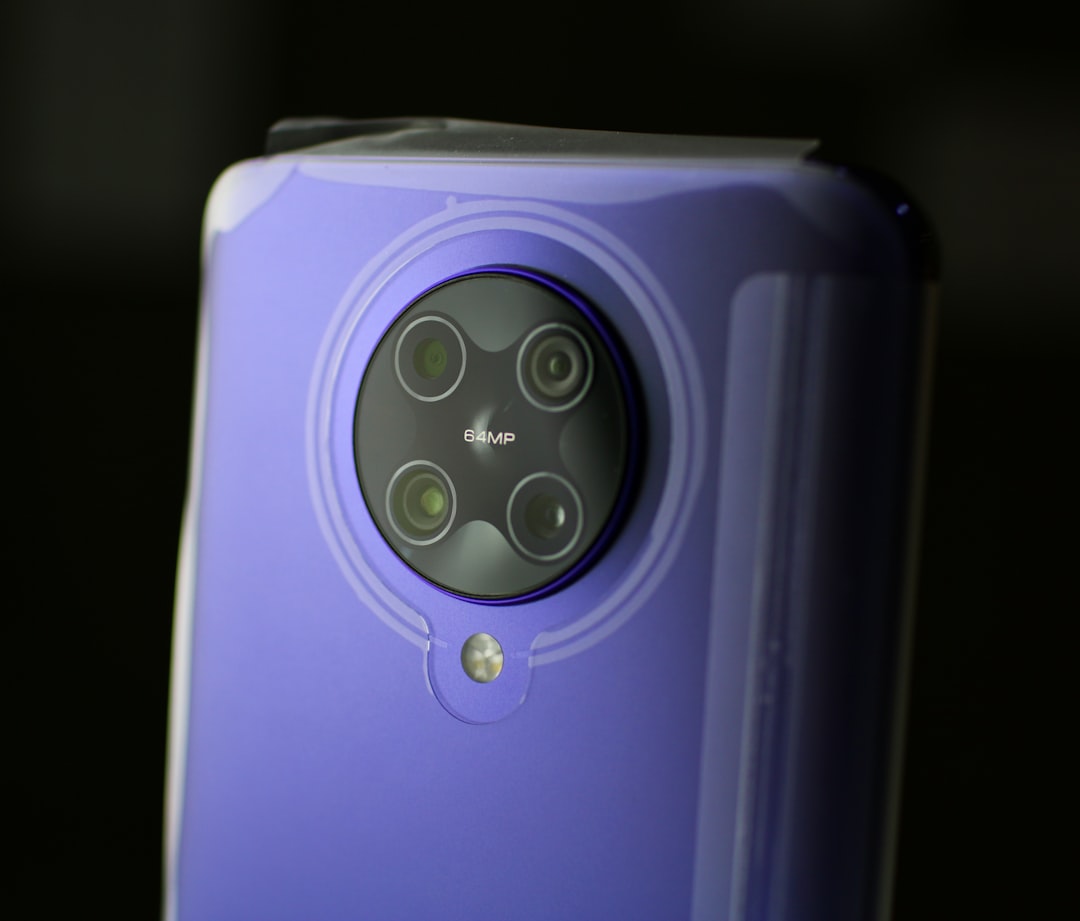
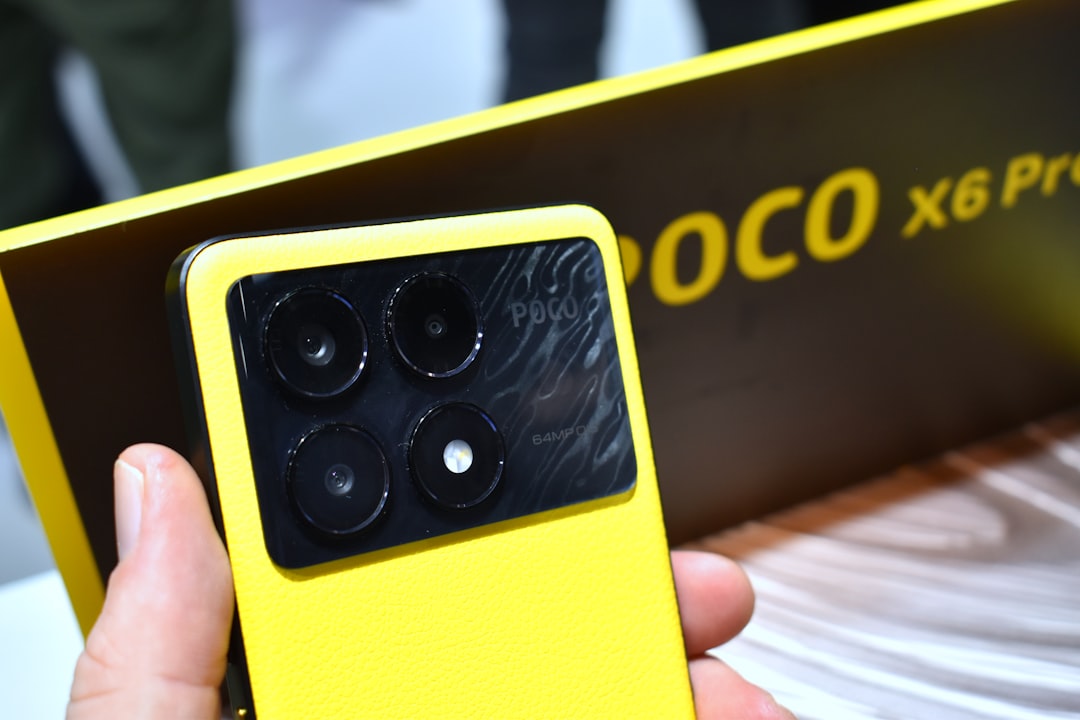
Previous Poco phones had cameras that were 'good enough' - the X8 Pro Max actually has cameras that are genuinely good. The 50MP main sensor with OIS produces sharp, detailed photos with excellent dynamic range. The improved image processing eliminates the over-sharpening that plagued previous Poco devices.
Low-light performance deserves special mention. The larger sensor and improved Night Mode algorithm produce usable shots even in challenging conditions. Street photography during Mumbai's evening hours yielded impressive results with good color accuracy and minimal noise.
The 12MP ultrawide is functional rather than spectacular, while the 5MP macro feels like checkbox ticking. Video recording at 4K/60fps is stable thanks to OIS, though electronic stabilization could be better. For Instagram creators and casual photographers, this camera system finally feels complete.
Build Quality: Premium Materials, Premium Feel
This is where the 'Max' philosophy really shows. Gone is the plastic back - replaced with a premium glass sandwich design with Gorilla Glass Victus protection. The aluminum frame feels solid, and the IP68 rating means monsoon season won't be a worry.
At 220 grams, it's substantial but not unwieldy. The weight distribution feels natural, and the curved edges make it comfortable for extended use. The matte finish on the Cosmic Black variant I tested resists fingerprints well - crucial for a phone you'll actually want to use without a case.
Indian Market Context: Positioning and Pricing Strategy
At ₹34,999, Poco is directly challenging established players in India's premium segment. This pricing puts it squarely against the OnePlus 12R (₹39,999), Nothing Phone (2a) Plus (₹32,999), and Samsung Galaxy A55 (₹39,999).
In the current Indian market scenario, where flagship prices have inflated significantly post-pandemic, the X8 Pro Max offers flagship performance at what used to be upper-mid-range pricing. For context, the iPhone 15 starts at ₹79,900, and Samsung's Galaxy S24 at ₹74,999 - making the Poco's value proposition compelling for performance-focused buyers.
The timing is strategic too. With festival season approaching, Poco's aggressive exchange offers (up to ₹8,000 off) and no-cost EMI options make it accessible to buyers upgrading from ₹15K-20K devices.
Competitive Analysis: How It Stacks Up
vs OnePlus 12R: The OnePlus offers cleaner software and faster updates, but the Poco counters with better battery life, faster charging, and ₹5K lower pricing. For pure performance per rupee, Poco wins.
vs Nothing Phone (2a) Plus: Nothing's unique design and cleaner Android experience appeal to different buyers. However, Poco's superior chipset, larger battery, and better gaming performance make it the clear choice for power users.
vs Samsung Galaxy A55: Samsung offers better camera versatility and longer software support, but can't match Poco's raw performance or charging speeds. It's a choice between ecosystem integration (Samsung) versus performance (Poco).
Real-World Use Cases for Indian Buyers
The Power User: Heavy gamers, content creators, and multitaskers will appreciate the flagship performance and exceptional battery life. The 120W charging means you can top up during short breaks.
The Upgrader: Users jumping from ₹15K-20K devices get flagship performance without the usual sticker shock. The camera improvements and build quality feel like genuine upgrades.
The Pragmatist: Those wanting flagship performance but unwilling to pay ₹60K+ for traditional flagships find excellent value here. It's premium enough for daily use but priced reasonably for Indian wallets.
Software Experience: HyperOS Growing Up
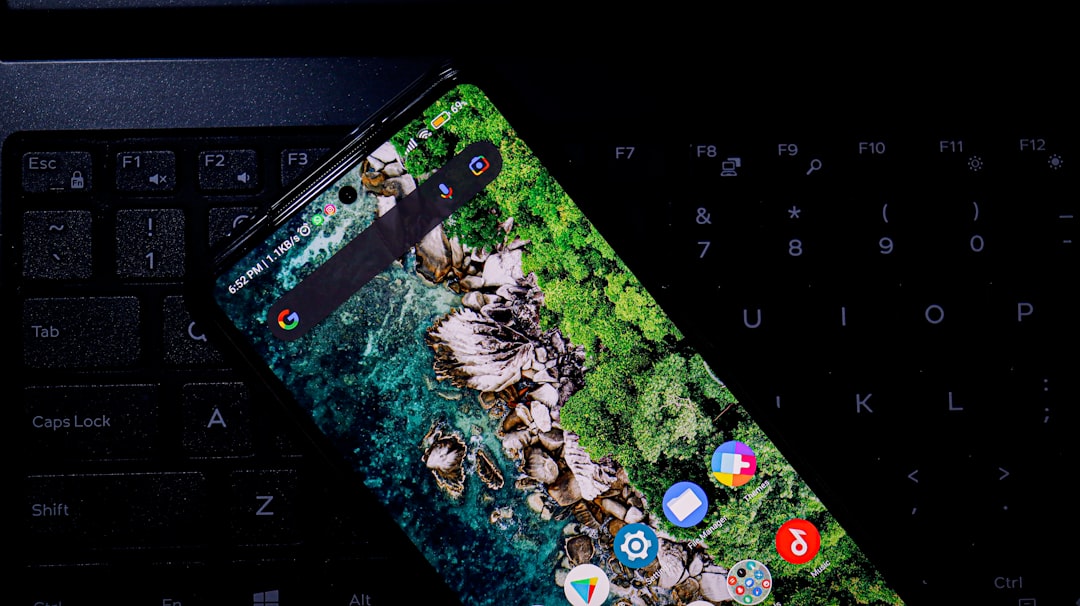
HyperOS 1.5 based on Android 14 feels more mature than previous MIUI iterations. The bloatware situation has improved significantly - most pre-installed apps can be uninstalled, and ads are minimal with proper configuration.
Poco promises 3 major Android updates and 4 years of security patches - competitive but not class-leading. The interface feels responsive, and gaming-focused optimizations like Game Turbo work well for mobile gaming enthusiasts.
The Verdict: Poco's Premium Gamble Pays Off
The X8 Pro Max represents Poco's successful transition from budget disruptor to premium contender. At ₹34,999, it offers flagship performance, premium build quality, and exceptional battery life without major compromises.
It's not perfect - the cameras, while good, aren't flagship-level, and software support could be better. But for Indian buyers seeking maximum performance per rupee in the premium segment, this delivers.
Would I recommend it? For power users, gamers, and anyone wanting flagship performance without flagship pricing - absolutely. For camera enthusiasts or those prioritizing software experience, consider alternatives.
The X8 Pro Max succeeds because it understands its audience: performance-focused Indian buyers ready to pay premium prices but unwilling to compromise on value. Poco's gamble on going premium has paid off.
Frequently Asked Questions
Is the Poco X8 Pro Max worth ₹35K over cheaper Poco phones?
Yes, if you prioritize flagship performance and premium build quality. The Snapdragon 8 Gen 3, improved cameras, and premium materials justify the price increase for power users. However, casual users might find better value in cheaper Poco alternatives.
How does battery life compare to other phones in this price range?
The 6,100mAh battery provides exceptional endurance - easily 8-9 hours of screen time with heavy usage. Combined with 120W charging, it offers the best battery experience in this price segment, significantly outperforming competitors like OnePlus 12R and Nothing Phone (2a) Plus.
Should I wait for price drops or buy now during festival season?
Festival season offers the best deals with exchange bonuses and no-cost EMI options. Given Poco's pricing strategy, significant price drops are unlikely in the first 6 months. If you need an upgrade now, current offers provide good value.
How does gaming performance compare to actual flagships costing ₹60K+?
Gaming performance is virtually identical to expensive flagships thanks to the same Snapdragon 8 Gen 3 chipset. The larger battery actually provides longer gaming sessions. You're mainly sacrificing camera quality and premium features, not gaming performance.