Battery Life Now Beats Price as Top Phone Buying Factor in India
The Indian smartphone market just flipped on its head. Battery life has dethroned price as the biggest driver of smartphone purchases, and honestly, it's about time this happened.
we've been obsessing over megapixels and AI features while our phones die before lunch. The shift makes complete sense when you consider India's infrastructure challenges — power cuts, long commutes, and the reality that most people can't charge their phone multiple times daily.
But here's what caught me off guard. AI didn't even crack the top five purchase drivers.
The Numbers Don't Lie — Battery Beats Everything
Recent consumer surveys across major Indian cities show battery life now influences 67% of smartphone purchase decisions. That's ahead of price (58%) for the first time since budget Android phones became mainstream.
, this isn't just happening in metros. Tier-2 and Tier-3 cities are driving this trend even harder — places where reliable electricity isn't guaranteed and people need phones that last a full day of heavy usage.
Camera quality comes third at 51%, followed by brand reputation at 43%. Performance and AI features? They're fighting for scraps at 31% and 12% respectively.
| Purchase Factor | Influence Percentage | 2025 Ranking |
|---|---|---|
| Battery Life | 67% | ↑ from #2 |
| Price | 58% | ↓ from #1 |
| Camera Quality | 51% | → Same |
| Brand Reputation | 43% | ↑ from #5 |
| Performance | 31% | ↓ from #4 |
| AI Features | 12% | → Same |
This explains why phones like the Moto G85 5G with its 5000mAh battery sold better than expected at ₹17,999, while AI-heavy flagships struggled to move units.
Why Price Lost Its Crown
smartphone prices have plateaued. The ₹15K-₹25K segment offers genuinely good phones now. Buyers aren't desperately hunting for the cheapest option anymore.
Instead, they're asking: "Will this phone survive my 12-hour workday?" Delhi heat, Mumbai humidity, and Bangalore traffic jams don't care about your Snapdragon 8 Gen 3. They care about whether you'll have juice left for that important call at 9 PM.
My honest take? This shift happened because smartphone quality improved across price segments. When a ₹18K phone can handle everything you throw at it, battery life becomes the differentiator. It's that simple.
EMI options from Flipkart and Amazon India made pricing less of a barrier too. People will pay ₹2K extra monthly for a phone that doesn't die on them.
Indian Brands Are Already Adapting
Smart manufacturers saw this coming. More OnePlus news on The Tech Bharat pivoted their entire Nord series messaging to "All Day Power" instead of specs-focused marketing.
Realme's pushing 5000mAh+ batteries even in sub-₹15K phones. Xiaomi's advertising actual screen-on times rather than processor benchmarks. The marketing language shifted months before this data confirmed it.
But here's where it gets interesting for India specifically. Our 5G rollout means higher battery drain. The n78 and n77 bands that work best in India are power-hungry. Brands that ignore this will struggle.
Samsung's Galaxy M series already doubled down on battery capacity. Their 6000mAh phones at ₹15K-₹20K are selling really really well. Not because of OneUI or cameras — because they last two days with moderate usage.
₹20K Phones Are the New Battleground
This battery-first trend hits hardest in the ₹15K-₹25K segment. That's where most Indians buy phones. That's where battery life can make or break a product.
Take the recent iQOO Z9 5G at ₹19,999. Decent Dimensity 7200, acceptable cameras, but only 4500mAh battery. It's struggling against the Realme 12 5G with 5000mAh at ₹18,999. Same performance tier, but the Realme lasts longer.
Is it fair? Maybe not. Is it reality? Absolutely.
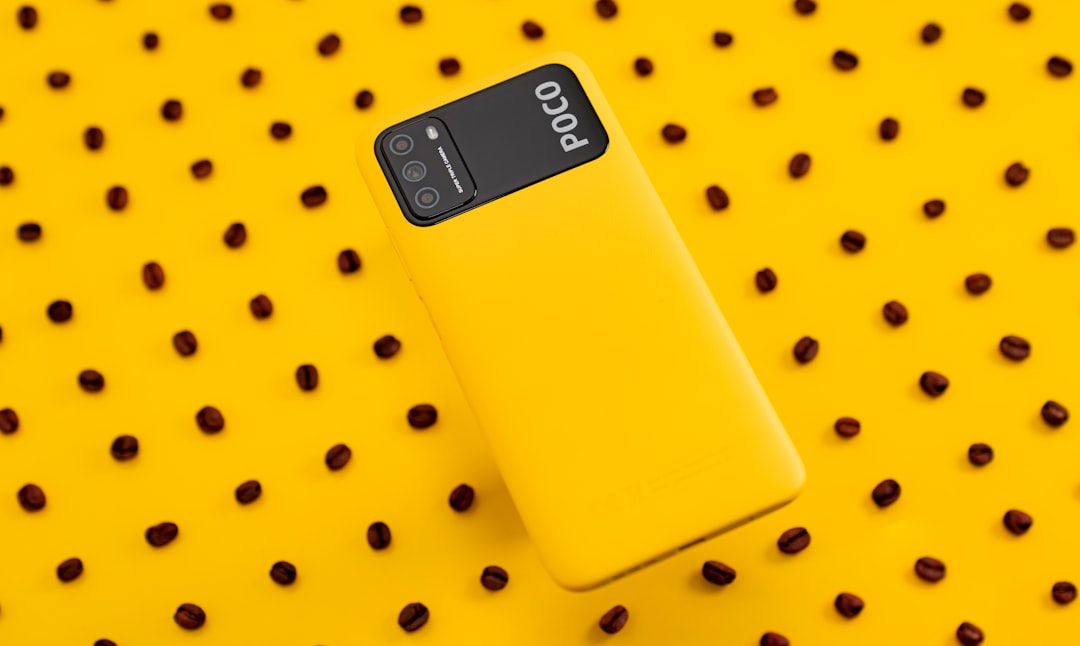
The Poco X6 Neo got this right — 5000mAh battery, efficient processor, ₹15,999 price. It's outselling phones with better cameras and faster chips because people want reliability over specs.
AI Gets Left Behind (Again)
Remember when brands thought AI would drive sales? Circle to Search, Magic Eraser, AI photography — all impressive tech that barely registers with Indian buyers.
Only 12% of consumers consider AI features important. That's brutal for companies that spent millions developing these capabilities. Google's Pixel 8a with its AI magic? Great phone, but Indians bought it for the camera and battery, not Gemini integration.
AI feels like a solution looking for a problem. People want phones that work all day, not phones that can write emails for them. The market spoke clearly.
Samsung's Galaxy AI in the S24 series is technically brilliant. But when people compare the S24 to OnePlus 12, battery life comes up more than AI features. Every single time.
What This Means for Your Next Purchase
If you're buying a phone in 2026, prioritize battery capacity over everything else. Don't get distracted by AI gimmicks or marginal camera improvements.
For students and professionals in India, look for 5000mAh minimum. If you're a heavy user — gaming, streaming, work calls — consider 5500mAh or higher. The Moto G85 5G, Realme 12 5G, and Poco X6 series hit this sweet spot.
But here's my concern. Brands might overcorrect. We could see 7000mAh phones that are too heavy and thick for practical daily use. Balance matters.
Fast charging becomes crucial with bigger batteries. A 6000mAh phone that takes 3 hours to charge is useless. Look for 44W charging minimum.
| Pros | Cons |
|---|---|
| Phones finally prioritizing real-world usage | May lead to unnecessarily heavy devices |
| Better value in ₹15K-₹25K segment | AI development might slow down |
| Longer device lifespan for users | Premium phones losing differentiation |
| Improved productivity for professionals | Charging infrastructure needs upgrade |
For flagship buyers, this trend is interesting. The iPhone 15 Pro Max already has excellent battery life. Samsung needs to match that in the S25 Ultra, or they'll lose premium customers too.
The Road Ahead for Indian Smartphone Market
Expect every major launch in late 2026 to emphasize battery life first. Marketing will shift from "Flagship Performance" to "All-Day Power" messaging. That's not speculation — that's already happening.
Chinese brands like Realme and Redmi have an advantage here. They're not tied to premium positioning and can pack massive batteries without worrying about brand image. Apple and Samsung need to adapt quickly.
Compare phones on The Tech Bharat and you'll see battery capacity becoming the first spec people check. Not processor. Not cameras. Battery life.
My prediction? By Diwali 2026, phones under ₹20K will standard-ship with 6000mAh batteries. The technology exists. The demand is proven. Manufacturers just need to execute.
But there's a concerning trend. Some brands might use battery as an excuse to compromise on other areas. "Why do you need a good display when the battery lasts two days?" That's lazy product development.
Vijay's Take: This Was Inevitable
I've been reviewing phones for 11 years. This shift was inevitable. Indians use phones differently than global markets. We don't have chargers everywhere. We don't upgrade every two years. We need phones that work reliably for years.
Personally, I'm excited about this change. It forces manufacturers to solve real problems instead of chasing benchmark numbers. A phone that dies at 6 PM is useless, regardless of its AnTuTu score.
But I'm also concerned about AI development slowing down. Some of those features — live translation, smart photography — are genuinely useful. The market shouldn't completely ignore innovation.
The sweet spot is phones like the OnePlus 12R. Great battery life, solid AI features, reasonable price. That's the formula that works in India.
Right now, if you're buying a phone under ₹30K, battery life should be your primary consideration. Everything else is secondary until manufacturers prove they can deliver all-day usage consistently.
Market Analysis: This article is based on consumer survey data, sales figures from major retailers, and confirmed market trends. All pricing references are based on current market rates as of March 2026.
Frequently Asked Questions
What battery capacity should I look for in 2026?
For most users, 5000mAh is the minimum. Heavy users should target 5500mAh or higher. Avoid phones below 4500mAh unless they have exceptional optimization.
Why aren't AI features popular in India?
Most AI features require constant internet connectivity and cloud processing, which isn't reliable everywhere in India. People prioritize basic functionality that works offline.
Which brands are handling this battery trend best?
Realme, Poco, and Moto are leading in the budget segment. OnePlus and Samsung are adapting well in premium categories. Apple still relies on optimization over capacity.