
Smartphone Buying Guide India — September 2026
Step-by-step guide to buying the right smartphone in India — avoid mistakes, understand specs, and get the best value for your budget.

Buying a smartphone in India in September 2026 is both easier and harder than it has ever been. Easier because quality phones are available at every price point. Harder because the choices are overwhelming and specifications are increasingly used to mislead rather than inform. This guide gives you a practical framework for choosing the right smartphone regardless of your budget — from Rs 10,000 to Rs 1,50,000.
Who should follow this buying guide?
This guide is ideal for anyone confused about which phone to buy in India — especially first-time buyers or users upgrading after 2–3 years who want the best value for their budget.
Who does NOT need this guide?
If you already know your exact requirement — like gaming, camera, or battery — you may benefit more from specialised guides focused on those categories.
Final Verdict
In September 2026, the best smartphone is not the one with the highest specs — it is the one that fits your usage, location, and long-term needs. A smart decision today saves money and frustration for years.
Step 1 — Define Your Budget Range (Not Just a Number)
If you want direct recommendations instead of step-by-step analysis, check our Best Smartphones in India and phone comparison guide.
The most common mistake Indian buyers make is setting a precise budget (Rs 15,000 exactly) and missing significantly better phones at Rs 16,000-17,000. Define a range: under Rs 15,000, or Rs 15,000-20,000. Within a range, choose the best phone — not the cheapest. A Rs 1,000-2,000 stretch often delivers a dramatically better phone (better display, more updates, faster charging) that you\'ll appreciate for 3 years.
Key thresholds in India\'s smartphone market in September 2026: Below Rs 12,000 (entry 5G, basic AMOLED), Rs 12,000-15,000 (better AMOLED, stronger cameras), Rs 15,000-25,000 (significantly better performance, update longevity), Rs 25,000-40,000 (OIS cameras, IP-rated builds, premium mid-range), Rs 40,000-70,000 (flagship-adjacent performance), above Rs 70,000 (true flagships with 7-year support).

India\'s smartphone price tiers — quality jumps meaningfully at key price thresholds
Step 2 — Decide Your Priority (Be Honest)
Camera is Priority
→ Best camera phones: Google Pixel 9 Pro, iPhone 16 Pro, Samsung Galaxy A55/S25. OIS is essential. Avoid 200MP claims on budget phones — sensor size and OIS matter more.
Battery is Priority
→ Best battery phones: Samsung Galaxy M35 5G, M15 5G, OnePlus 13. Look for 6,000mAh+ with at least 25W charging. Avoid phones where battery capacity isn't disclosed clearly.
Gaming is Priority
→ Best gaming phones: iQOO 12, Asus ROG 8, Poco X6 Pro. Snapdragon 8-series for 90fps. 120Hz display essential. Good thermal management matters more than raw chip speed.
Longevity is Priority
→ Most important factor for 3+ year owners: software update commitment. Samsung A-series (5yr), Samsung S-series (7yr). No Chinese brand below Rs 30,000 offers more than 2-3 years.
Service Network is Priority
→ Living outside metros? Samsung is the clear winner with 3,000+ centres. Xiaomi improving. Avoid OnePlus, Pixel, and Nothing if you're in a tier-3 city without dedicated service.
Value-per-Rupee is Priority
→ Best value: Redmi Note 14 5G (under 15k), Samsung M35 5G (20-25k), Galaxy A55 5G (35-45k), OnePlus 13 (above 60k). These represent inflection points in the market.
Step 3 — Understand the Specifications That Matter
Processor: The processor determines gaming performance, app loading speed, and how well the phone will perform in 3 years. Snapdragon 8 Elite/Gen 3 (flagship), Snapdragon 7+ Gen 3/Dimensity 8300 Ultra (upper mid-range), Snapdragon 4 Gen 2/Dimensity 7050 (mid-range), Snapdragon 695/4s Gen 2 (budget). The generation matters more than brand — Dimensity 8300 Ultra outperforms Snapdragon 7 Gen 3.
Display: AMOLED is significantly better than LCD for outdoor use in Indian sunlight. 120Hz is the recommended minimum for smooth scrolling. Brightness (measured in nits) matters for outdoor visibility — 800+ nits peak brightness is good, 1,000+ nits is excellent for reading in direct Indian summer sunlight.
Camera: Megapixels are marketing. What matters: sensor size (larger = better low light), aperture (lower f/ number = more light), OIS (optical image stabilisation = sharper photos), and image processing quality. A 50MP camera with OIS beats a 108MP camera without OIS in real-world use.
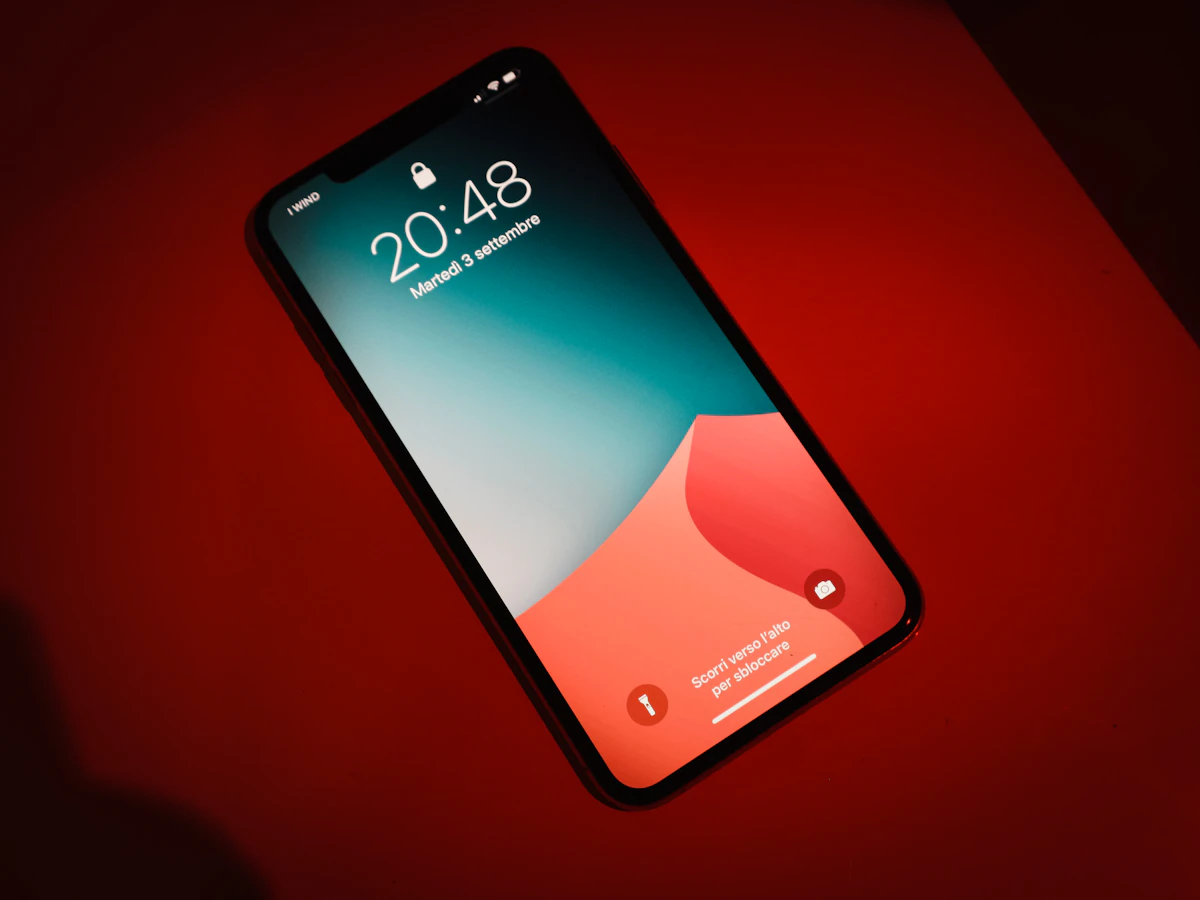
Specifications that matter — processor generation, AMOLED display, OIS camera and battery size
Step 4 — Consider Your Location
Your city determines which brands are truly safe to buy. In metro cities (Mumbai, Delhi, Bengaluru, Chennai, Kolkata, Hyderabad): all major brands have service centres. You can safely buy Samsung, Xiaomi, OnePlus, Realme, iQOO, Google Pixel, Apple, Nothing — service within 10-15 km is realistic. In tier-2 cities: Samsung, Xiaomi, Realme, and Vivo have comprehensive coverage. OnePlus and iQOO are present but may require travel. Pixel and Nothing are risky. In tier-3 cities and rural areas: Samsung is the only truly safe brand. Their 3,000+ network reaches India\'s smaller cities and towns in a way no other brand currently does.
Step 5 — Where to Buy Safely in India
Online: Flipkart and Amazon (only from brand official stores or authorised sellers, not third-party sellers with low ratings). For Samsung: samsung.com/in direct. For iPhones: apple.com/in direct or authorised resellers. Never buy smartphones from small unknown sellers on Amazon or Flipkart — counterfeit and refurbished phones sold as new are a real problem. Offline: Samsung SmartCafes, Samsung Experience Stores, Croma, Reliance Digital, and brand-authorised retailers are all safe. Avoid grey-market shops with significantly below-MRP pricing.

Safest purchase channels — official brand websites, Flipkart and Amazon official stores
Red Flags — Specifications That Are Often Misleading
High megapixel count without OIS (common on budget phones — 50MP without stabilisation is worse than 12MP with OIS). "Up to 120fps gaming" — means the chip can handle it for 5 minutes before throttling, not sustained gaming. "6GB RAM with 6GB virtual RAM" — virtual RAM is slow storage masquerading as RAM, not equivalent to actual RAM. "AI-enhanced camera" — present on every phone above Rs 5,000, means almost nothing. Fast charging claims without specifying adapter — many phones ship with slow chargers while advertising fast charging speeds that require a separate purchase.

Common specification myths — what to ignore when comparing smartphones in India
Frequently Asked Questions
How do I know if a phone has Jio/Airtel 5G support?
Check the official spec sheet for n78 band (3500MHz) support. Go to the brand's India website, find your phone model, scroll to connectivity/network specifications. If n78 is listed: full Jio and Airtel 5G support.
Which is better — buying online or offline in India?
Online from official brand stores on Flipkart/Amazon typically gives the best price. Offline at Samsung/Apple authorised stores gives you the ability to inspect the phone and immediate service. Price difference is usually Rs 500-2,000. Both are safe when buying from authorised channels.
How much RAM do I need on a smartphone in India?
6GB RAM minimum for smooth performance. 8GB RAM is the sweet spot for multitasking with many apps open. 12GB+ is useful for gaming and keeping many browser tabs open. 4GB RAM is insufficient in April 2026 — avoid unless under Rs 8,000 with no alternative.
Is it worth paying more for a phone with better camera?
Yes, if photography matters to you. The camera quality difference between Rs 15,000 and Rs 30,000 phones is significant and will be visible in every photo you take over 3 years. The camera quality difference between Rs 30,000 and Rs 50,000 is smaller but still meaningful for low-light and zoom shots.
Related Guides
Latest Reviews & Analysis
2 articles
How to Choose a Smartphone in India 2026: Beginner's Complete Guide
Choosing a smartphone in India can be overwhelming with hundreds of options from Xiaomi to Samsung flooding the market. I've reviewed over 500 phones in 11 years, and most buyers make the same costly mistakes - overpaying for specs they don't need while ignoring what actually matters. This guide will save you thousands while getting the perfect phone for your needs.

Xiaomi vs Samsung in India 2026: Complete Brand Comparison
Xiaomi and Samsung continue their epic smartphone battle in India with completely different strategies in 2026. While Xiaomi dominates value-for-money territory with HyperOS 2.0, Samsung pushes premium experiences down to mid-range pricing. After testing dozens of devices from both brands, I'll break down exactly which brand wins at every price point.
Latest News
Final Buying Advice
The best smartphone choice depends on three things: your budget, your usage, and your location. In India, service availability and software support often matter more than specifications. Choose a phone that you can comfortably use for at least 2–3 years — not just one that looks impressive on paper today.
Editorial Note
This guide is updated monthly. All analysis is independent editorial opinion by Vijay Yadav, Senior Mobile Editor at The Tech Bharat.