

The numbers don't lie, and frankly, they're not pretty. India's tablet market took a serious beating in 2025, and as someone who's been tracking tech trends across Bharat for years, this downturn was both predictable and concerning.
IDC's latest report shows the market contracted by a staggering 21.7% compared to 2024, managing just 4.4 million shipments. But here's what caught my attention — while most brands watched their sales tank, Xiaomi and Lenovo actually grew. that tells you everything about where this market is heading and who understands Indian consumers.
The Big Picture: Why Tablets Are Struggling in India
Let me be blunt — tablets are caught in a perfect storm in India. On one side, you have smartphones getting bigger and more powerful. The average Indian is carrying a 6.7-inch phone that handles 90% of their digital needs. On the other side, laptop prices have become more accessible, especially with brands like Realme, Xiaomi, and Honor entering the laptop space aggressively.
The pandemic initially boosted tablet sales for online education, but that artificial demand has normalized. Parents who bought ₹15,000 tablets for their kids' online classes are now questioning whether they need to upgrade. The result? A market that's essentially reset to pre-pandemic levels, minus the organic growth we should have seen.
Samsung Stays on Top, But Leadership Has Its Challenges
Samsung grabbed 37.2% of the market with 1.6 million units shipped. That's impressive on paper, but when the entire pie is shrinking, being the biggest slice doesn't mean much. The Galaxy Tab series continues to dominate premium and mid-range segments, though their pricing strategy hasn't exactly helped volumes.
Here's my take: Samsung's tablets are genuinely good products. The Galaxy Tab S9 series offers excellent displays, solid performance, and decent build quality. But at ₹25,000+ for anything decent, they're competing directly with laptops and premium smartphones. In a market where buyers are increasingly conscious about value-for-money, that's a tough sell.
The Galaxy Tab A series, positioned as Samsung's budget offering, still starts around ₹18,000. Compare that to what you get in a smartphone at the same price point — better processors, cameras, and overall functionality. The value proposition just doesn't add up for most Indian consumers.
Why Xiaomi and Lenovo Are Winning While Others Lose
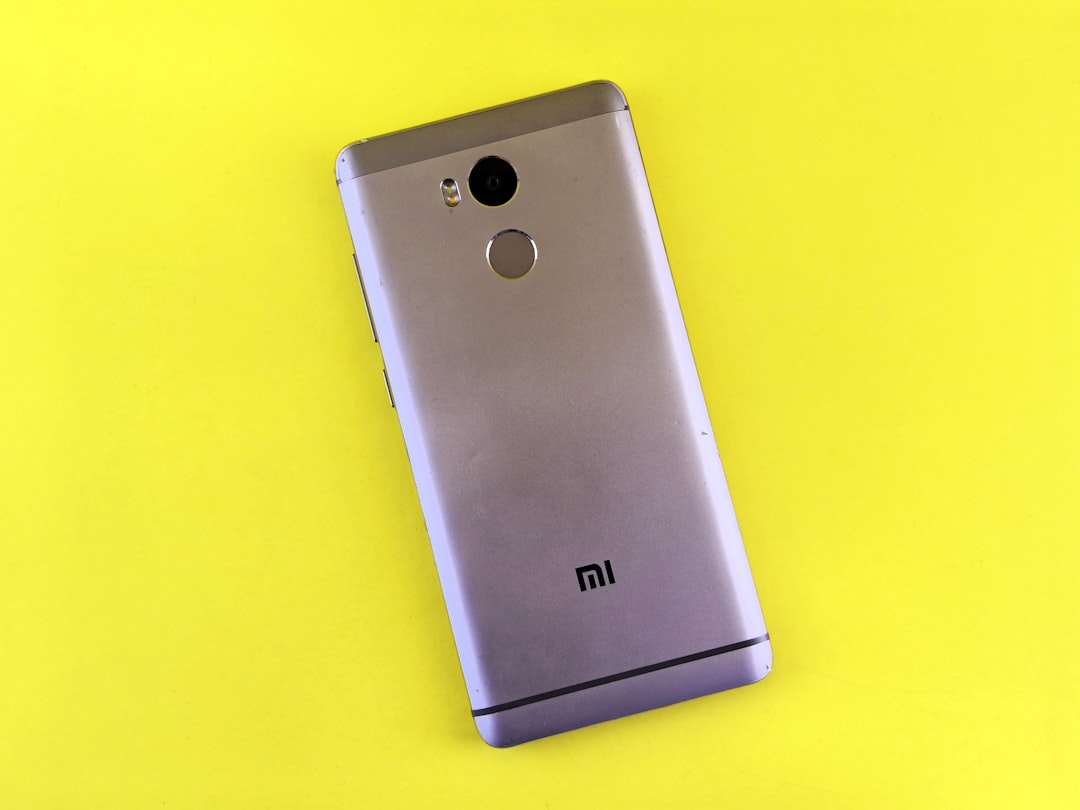
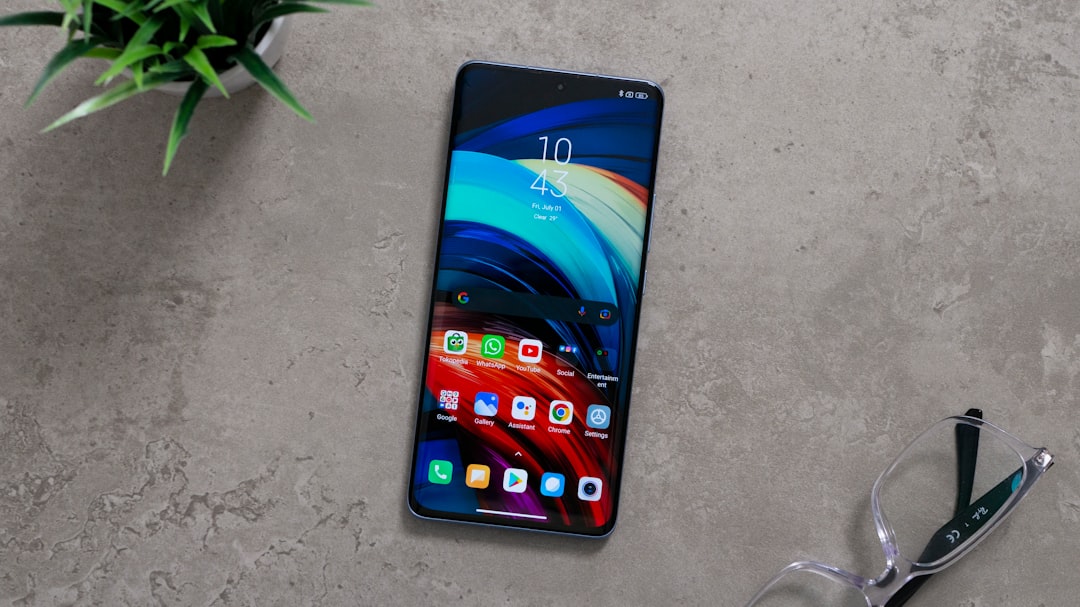
Xiaomi's growth story in tablets mirrors their smartphone success — aggressive pricing, decent specifications, and strong online presence. The Redmi Pad series has been their hero product, offering large displays and reasonable performance starting around ₹12,999 during sales.
What Xiaomi gets right is positioning. They're not trying to replace laptops or compete with premium iPads. Instead, they're targeting specific use cases: content consumption, light productivity, and digital note-taking. The Redmi Pad Pro, priced around ₹21,999, offers a compelling package with a decent processor, good display, and support for stylus input.
Lenovo's growth is even more interesting. They've focused heavily on the B2B segment — schools, small businesses, and government contracts. The Tab M series offers practical features like rugged designs and long battery life, essential for institutional buyers. Their pricing strategy targets the ₹15,000-25,000 segment where Samsung has a gap.
I've personally tested both brands' offerings, and while they're not flagship-level products, they deliver exactly what they promise. No premium pretensions, just solid tablets that work.
The Apple Factor: Premium but Irrelevant for Most
Apple's iPad continues to be the gold standard for tablets globally, but in India, it remains largely irrelevant for mass market adoption. With the base iPad starting around ₹30,000 and the Air/Pro models crossing ₹50,000, they're luxury purchases rather than practical computing tools.
The irony is that iPads offer the best tablet experience — superior app ecosystem, excellent performance, and long-term software support. But at Indian price points, they compete with premium laptops and flagship smartphones. For the average Indian consumer, that math doesn't work.
Apple's market share in Indian tablets hovers around 7-8%, primarily driven by affluent urban buyers and creative professionals. It's a profitable niche, but irrelevant to overall market trends.
Real-World Use Cases: Where Tablets Still Make Sense
Despite the market decline, tablets aren't dead in India. They've just found their specific niches:
Education Technology: Many coaching institutes and schools still prefer tablets for digital learning. A ₹15,000 tablet with good display and battery life makes more sense than individual laptops for classroom settings.
Content Consumption: For families sharing a device for Netflix, YouTube, and reading, tablets offer better ergonomics than smartphones and lower cost than smart TVs.
Digital Artists and Note-Takers: Students and professionals using tablets for digital note-taking and sketching represent a growing niche. Brands offering stylus support are capturing this segment effectively.
Senior Citizens: Surprisingly, tablets are gaining traction among older users who find them easier to handle than smartphones but more intuitive than laptops.
Technical Deep Dive: What Buyers Actually Want
After analyzing market data and consumer feedback, here's what Indian tablet buyers prioritize:
Display Quality: 10-inch+ screens with at least 1080p resolution. Anything smaller competes unfavorably with large smartphones.
Battery Life: Minimum 8-10 hours of mixed usage. Indians use tablets for extended periods, and frequent charging kills the user experience.
Performance: Mid-range processors (Snapdragon 680+, MediaTek Helio G99+) offer the sweet spot of performance and battery efficiency.
Storage: 64GB minimum with microSD expansion. Cloud storage adoption is still limited outside metro cities.
Build Quality: Sturdy construction matters more than premium materials. Tablets get passed around in families and need to survive daily handling.
Looking Ahead: Market Predictions for 2026
I expect the tablet market to stabilize around 4-5 million units annually. The dramatic pandemic-driven boom is over, but sustainable demand exists in specific segments.
Winners will be brands that understand Indian pricing psychology and use cases. Losers will be those chasing premium positioning without corresponding value delivery.
The ₹10,000-20,000 segment will remain the volume driver, while premium tablets above ₹30,000 will stay niche. Brands succeeding in this market will focus on specific use cases rather than trying to be everything to everyone.
Frequently Asked Questions
Q: Should I buy a tablet in 2025, or wait for better deals in 2026?
A: If you have a specific use case (content consumption, digital note-taking, shared family device), buy now. Prices are competitive, and waiting won't bring dramatic improvements. However, if you're unsure about utility, consider whether a large smartphone or affordable laptop might serve you better.
Q: Which brand offers the best value for money in tablets under ₹20,000?
A: Based on current offerings, Xiaomi's Redmi Pad series provides the best balance of features, performance, and pricing. Lenovo's Tab M series is also competitive, especially if you prioritize build quality and battery life over modern specifications.
Q: Are tablets worth buying for students, or should they invest in laptops?
A: Depends on the course and usage. For reading, note-taking, and content consumption, tablets work well and cost less. For programming, heavy research, or professional courses, laptops remain essential. Many students benefit from having both, starting with a good tablet and adding a basic laptop later.
Q: Why are Samsung tablets more expensive than Chinese alternatives?
A: Samsung includes premium features like better displays, longer software support, and established service networks. However, the price premium often doesn't justify the benefits for average Indian users. Chinese brands focus on core functionality at aggressive prices, which resonates better with price-conscious buyers.