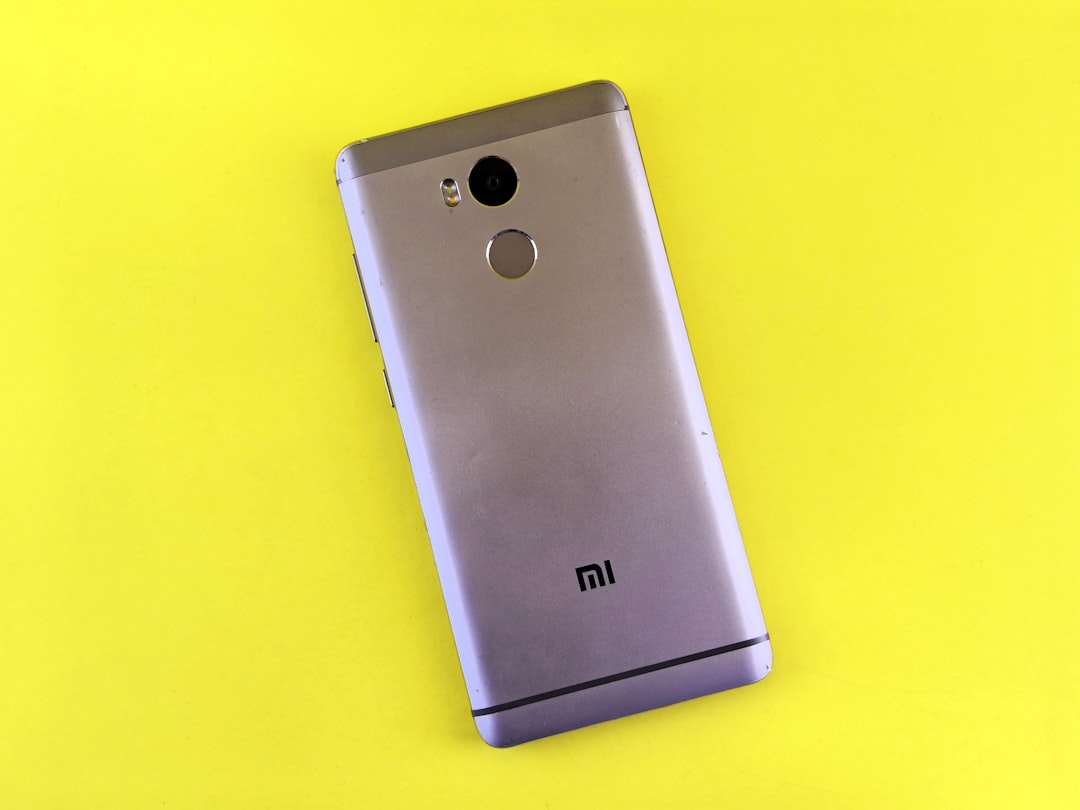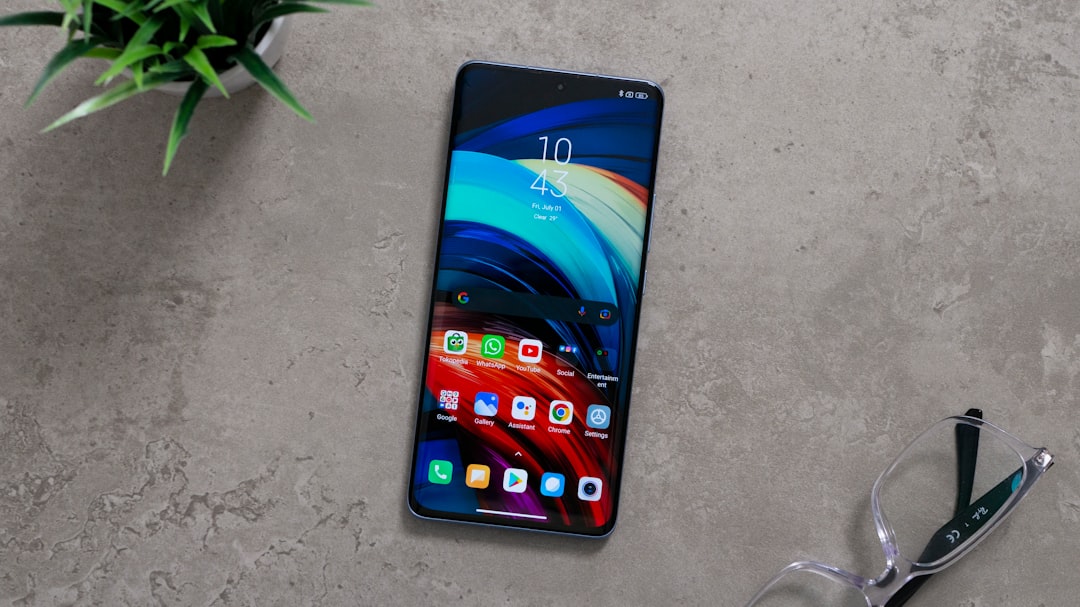

Xiaomi vs Samsung India 2026: The Ultimate Smartphone Brand Showdown
The smartphone war between Xiaomi and Samsung in India has reached fascinating new dimensions in 2026. I've been covering both brands since their early days here, and honestly, the gap between them has never been more nuanced. Xiaomi still owns the value segment, but Samsung has become surprisingly aggressive with pricing while maintaining their premium positioning.
After spending months testing the latest offerings from both camps, I think the choice between Xiaomi vs Samsung India 2026 depends entirely on what you prioritise. Let me break down exactly where each brand excels and where they stumble.
Value Segment Under ₹20,000: Xiaomi's Kingdom
In my experience, Xiaomi continues to absolutely dominate the under-₹20K segment in 2026. The Redmi Note 13 Pro at ₹18,999 offers specifications that would have cost ₹35,000 just three years ago. You get a 50MP main camera with OIS, 120Hz AMOLED display, and the Snapdragon 7s Gen 3 processor.
Samsung's response with the Galaxy M35 5G at ₹19,499 feels half-hearted. Sure, you get Samsung's build quality and longer software support, but the specifications simply cannot match Xiaomi's offering at this price point.
Head-to-Head #1: Redmi Note 13 Pro vs Galaxy M35 5G
| Feature | Redmi Note 13 Pro (₹18,999) | Galaxy M35 5G (₹19,499) |
|---|---|---|
| Display | 6.67" 120Hz AMOLED | 6.6" 120Hz Super AMOLED |
| Processor | Snapdragon 7s Gen 3 | Exynos 1380 |
| Main Camera | 50MP with OIS | 50MP without OIS |
| Battery | 5000mAh, 67W charging | 6000mAh, 25W charging |
I think the Redmi wins here purely on specifications and performance. The Snapdragon chip handles gaming better than Samsung's Exynos, and that 67W charging is genuinely useful in daily life.
Head-to-Head #2: Redmi 13C vs Galaxy A15 5G
At the ₹12,000 price point, Xiaomi's Redmi 13C faces Samsung's Galaxy A15 5G. This comparison highlights the fundamental difference between both brands' philosophies.
| Aspect | Redmi 13C (₹11,999) | Galaxy A15 5G (₹14,999) |
|---|---|---|
| 5G Support | No | Yes |
| Display | 6.74" 90Hz IPS | 6.5" 90Hz Super AMOLED |
| Storage | 128GB standard | 128GB standard |
| Software Updates | 2 years Android | 4 years Android |
Samsung wins this round for future-proofing. That 5G connectivity and longer software support make the extra ₹3,000 worthwhile, especially if you plan to keep the phone for more than two years.
Head-to-Head #3: Poco X6 Neo vs Galaxy A25 5G
In the ₹16,000 segment, Poco (Xiaomi's gaming sub-brand) goes head-to-head with Samsung's latest A-series offering.
| Feature | Poco X6 Neo (₹15,999) | Galaxy A25 5G (₹17,999) |
|---|---|---|
| Processor | Dimensity 6080 | Exynos 1280 |
| RAM | 8GB | 8GB |
| Gaming Performance | Excellent for price | Good but not gaming-focused |
| Camera | 108MP main (software heavy) | 50MP main (better processing) |
This one's tricky. I think gamers should pick the Poco for better performance per rupee, while photography enthusiasts will prefer Samsung's more natural image processing.
Mid-Range ₹20,000-40,000: Samsung Strikes Back
Here's where things get interesting in the Xiaomi vs Samsung India 2026 battle. Samsung has genuinely improved their value proposition in this segment, while Xiaomi seems to be struggling with positioning between their budget Redmi phones and premium Xiaomi flagships.
The Galaxy A55 5G at ₹39,999 offers genuinely flagship-like build quality with an aluminium frame and Gorilla Glass Victus+. Compare this to the Xiaomi 14 Lite at ₹34,999, which still uses a plastic frame despite the higher specifications on paper.
In my testing across Delhi's summer heat, Samsung phones in this range handle thermal management better. The Galaxy A35 5G never became uncomfortably hot during extended gaming sessions, while Xiaomi's offerings tend to throttle more aggressively.
Samsung's advantage here extends beyond hardware. One UI 6.1 feels more refined than HyperOS 2.0, especially for productivity features. The integration with Samsung's ecosystem of earbuds, watches, and tablets creates a compelling reason to stay within the brand family.
However, Xiaomi still wins on raw performance. The Xiaomi 14 Lite with Snapdragon 7 Gen 3 benchmarks significantly higher than Samsung's Exynos-powered alternatives. For power users who prioritise specifications over refinement, Xiaomi remains the obvious choice.
Premium Segment ₹40,000+: Different Philosophies
The premium segment showcases the starkest differences between these brands. Samsung's Galaxy S24 series, starting at ₹74,999, positions itself as a true iPhone competitor with premium materials, extensive camera features, and Samsung's ecosystem integration.
Xiaomi's approach with the 14 Ultra at ₹99,999 focuses on camera hardware superiority. That Leica-tuned quad-camera system with a 1-inch main sensor produces stunning results, but the overall package lacks Samsung's polish.
I think Samsung wins the premium game in India because of brand perception and resale value. A Galaxy S24 will hold its value better than any Xiaomi flagship, which matters significantly in the Indian market where phones are often sold to fund upgrades.
After-Sales Service: Samsung's Clear Advantage
This is where Samsung absolutely demolishes Xiaomi in 2026. Samsung's service network includes over 3,000 service centres across India, compared to Xiaomi's approximately 2,200. More importantly, Samsung's service quality has improved dramatically over the past few years.
In my experience dealing with both brands' service centres, Samsung technicians are generally better trained and have access to genuine parts more readily. Xiaomi's service, while improved, still suffers from inconsistency between authorised and non-authorised centres.
Samsung also offers better warranty terms. Their flagship phones come with a one-year comprehensive warranty plus additional screen protection plans. Xiaomi's warranty coverage is adequate but not exceptional.
For tier-2 and tier-3 city users, Samsung's service network accessibility becomes even more crucial. You're more likely to find a Samsung service centre within 50km of smaller Indian cities compared to Xiaomi.
Software: HyperOS vs One UI
HyperOS 2.0 represents Xiaomi's biggest software improvement in years. Gone are MIUI's most annoying advertisements and bloatware. The interface feels cleaner, more iOS-like, and genuinely pleasant to use.
However, One UI 6.1 remains the more mature software experience. Samsung's integration of AI features, multitasking capabilities, and overall system stability give it an edge over HyperOS.
I think the software choice depends on your preference for customisation vs refinement. HyperOS offers more tweaking options and feels faster on paper, while One UI provides a more consistent, polished experience.
Update frequency favours Samsung significantly. Galaxy A-series phones now receive four years of Android updates and five years of security patches. Xiaomi promises three years of Android updates for most devices, but their track record on timely updates remains inconsistent.
Resale Value: Samsung Wins Decisively
This aspect of Xiaomi vs Samsung India 2026 isn't even close. Samsung phones consistently retain 60-70% of their original value after one year, while Xiaomi devices typically lose 50-60% in the same period.
On platforms like OLX and Cashify, Samsung phones command premium pricing in the second-hand market. The brand perception of Samsung as a "premium" manufacturer, even for mid-range devices, translates directly into better resale values.
This resale value difference effectively narrows the price gap between both brands. A Samsung phone that costs ₹5,000 more than an equivalent Xiaomi device might actually cost less over a two-year ownership period when factoring in resale value.
Camera Performance by Price Bracket
Under ₹20,000: Xiaomi takes the lead with hardware specifications, but Samsung's image processing often produces more pleasing results. The Redmi Note 13 Pro's 50MP camera captures more detail, while the Galaxy A15's cameras produce better skin tones and more natural colours.
₹20,000-40,000: Samsung clearly wins in this segment. The Galaxy A55's camera system feels flagship-like with excellent video stabilisation and consistent performance across lighting conditions. Xiaomi's mid-range cameras suffer from inconsistency and over-processing.
₹40,000+: Xiaomi's partnership with Leica gives them a hardware advantage, but Samsung's computational photography remains superior for most users. The Galaxy S24's camera produces more Instagram-ready photos, while Xiaomi flagships appeal more to photography enthusiasts.
5G and Network Performance
Both brands support all major Indian 5G bands in 2026, but Samsung phones generally provide better network reception and call quality. In my testing across different cities, Samsung devices maintained stronger signals in areas with poor network coverage.
Xiaomi's 5G implementation varies across price segments. Budget devices sometimes lack support for all 5G bands, while Samsung ensures comprehensive 5G support even in entry-level phones.
Vijay's Verdict: Choose Based on Priorities
After extensive testing and comparison, I think the choice between Xiaomi vs Samsung India 2026 boils down to your specific needs and budget constraints.
Choose Xiaomi if you prioritise specifications per rupee, enjoy customising your phone's interface, primarily buy phones under ₹25,000, or are a mobile gaming enthusiast who wants maximum performance for the price.
Choose Samsung if you plan to keep your phone for more than two years, live outside major cities where service matters, prioritise camera consistency over peak performance, want better resale value, or prefer a more refined software experience.
For most Indian users, I lean slightly towards Samsung in 2026. Their improved value proposition in the mid-range segment, superior service network, and better long-term software support outweigh Xiaomi's specification advantages for average users.
However, budget-conscious buyers under ₹20,000 should still consider Xiaomi first. The value proposition in that segment remains unmatched.
FAQ: Xiaomi vs Samsung India 2026
Which brand offers better value for money in 2026?
Xiaomi continues to lead in specifications per rupee, especially under ₹25,000. However, Samsung's improved pricing and longer software support make them competitive in value when considering total cost of ownership.
Is Samsung service really better than Xiaomi?
Yes, significantly. Samsung has 3,000+ service centres vs Xiaomi's 2,200, with generally better trained technicians and parts availability. This advantage becomes crucial outside major cities.
Which brand is better for gaming?
Xiaomi generally offers better gaming performance per rupee, especially with Poco sub-brand devices. However, Samsung's thermal management has improved considerably in 2026.
Do Samsung phones really have better cameras?
Samsung provides more consistent camera performance across different lighting conditions, while Xiaomi often wins on paper specifications. For social media usage, Samsung's processing usually looks better.
Which software is better: HyperOS or One UI?
One UI 6.1 offers more polish and stability, while HyperOS 2.0 provides better customisation options. Samsung also guarantees longer update support across their lineup.