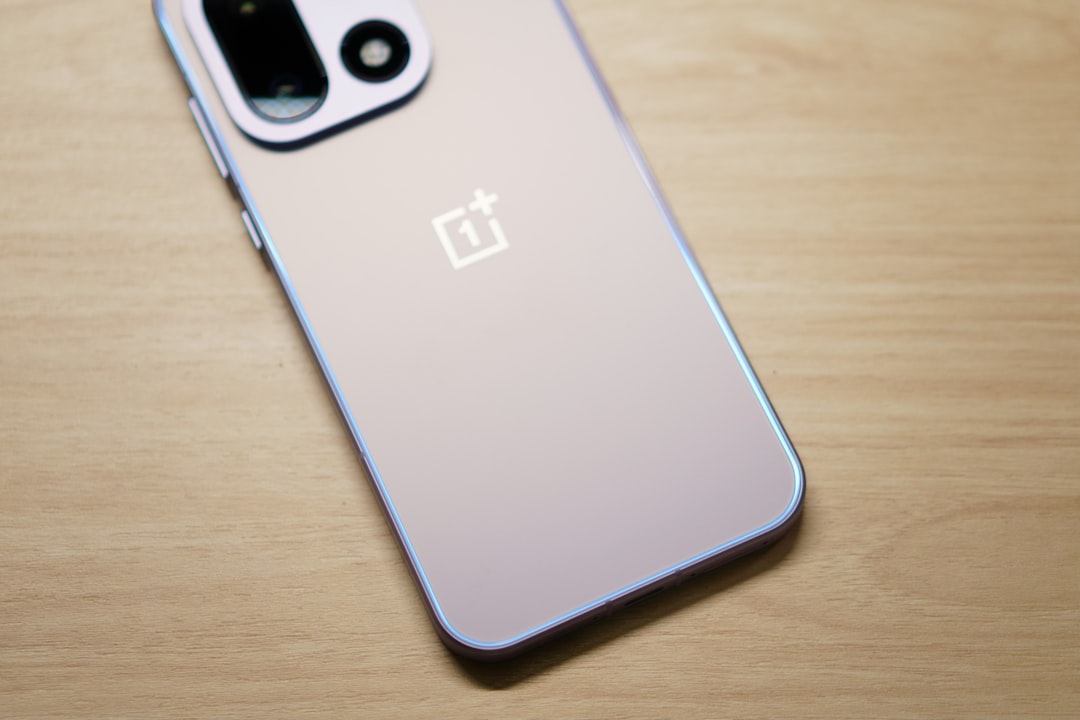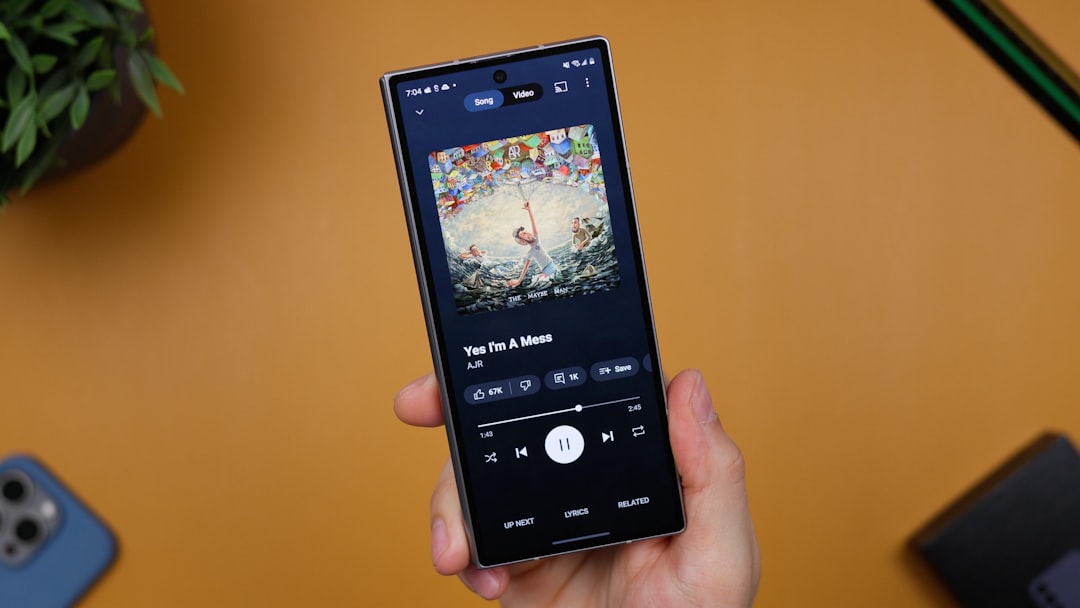
I've been carrying two phones for the past month. Not because I'm some corporate executive or drug dealer, but because I converted my old OnePlus 7T into a dedicated MP3 player. It's been one of the best tech decisions I've made in years.
The smartphone killed the iPod Classic, sure. But it also killed something else — the pure joy of just listening to music without notifications, calls, or the constant urge to check Instagram. Your old phone sitting in that drawer can fix this problem for exactly ₹0.
Why This Makes Perfect Sense in 2026
I know this sounds like hipster nonsense. But hear me out.
Your current phone is doing seventeen things at once. Music streaming burns through your data plan — and in India, even unlimited plans throttle after 1.5GB daily. Spotify Premium costs ₹119 monthly, which is ₹1,428 yearly. For what? Compressed audio and constant internet dependency.
That old phone though? It's got 64GB or 128GB of storage just sitting there. Download your entire music library once, and you're done. No monthly fees, no data consumption, no ads interrupting your Pink Floyd. this approach gives you something streaming never can: complete ownership of your music experience.
The Technical Setup (Actually Simple)
Any Android phone from 2018 onwards works perfectly. iPhone 6s and newer handle this beautifully too. I'm using my OnePlus 7T, but honestly, even a ₹8,000 Redmi from 2019 would crush this job.
First, factory reset the device. Clean slate. Then install only these apps:
- Poweramp or BlackPlayer (Android) / Marvis Pro (iPhone)
- Files app for organization
- Maybe VLC for video files
That's it. No social media, no messaging apps, no email. This phone has one job.
Transfer your music via USB cable or AirDrop. I'm talking about your actual music collection — FLAC files, 320kbps MP3s, albums you've bought over the years. Remember when we owned music instead of renting it?
Battery Life That'll Shock You
Here's where this gets really interesting. My OnePlus 7T, which barely lasted a full day with normal smartphone usage, now runs for 18-20 hours playing music continuously. No cellular radio hunting for towers, no apps syncing in background, no screen constantly lighting up.
Even older phones with degraded batteries suddenly become marathon runners. That iPhone 8 with 78% battery health? It'll play music for 12-15 hours straight. In India's power-cut situations, this reliability matters more than any flagship feature.
The India Advantage
This setup works particularly well in Indian conditions. No data worries during long train journeys — and trust me, streaming music on a 16-hour journey from Delhi to Bangalore will destroy your monthly data allocation.
Plus, that old phone isn't worth much on the resale market anyway. Your 3-year-old device might fetch ₹8,000-12,000 on OLX. But as a dedicated music player? It delivers value worth ₹25,000 compared to buying a modern dedicated device.
in Indian heat and humidity, you're not risking your primary ₹60,000 phone during workouts or while cooking. The old phone handles these situations perfectly.
What You Actually Get
The experience is genuinely superior to modern streaming. No algorithm deciding what you should hear next. No shuffle that somehow always plays the same 40 songs from your 4,000-song library. No ads destroying the flow of a carefully curated album.
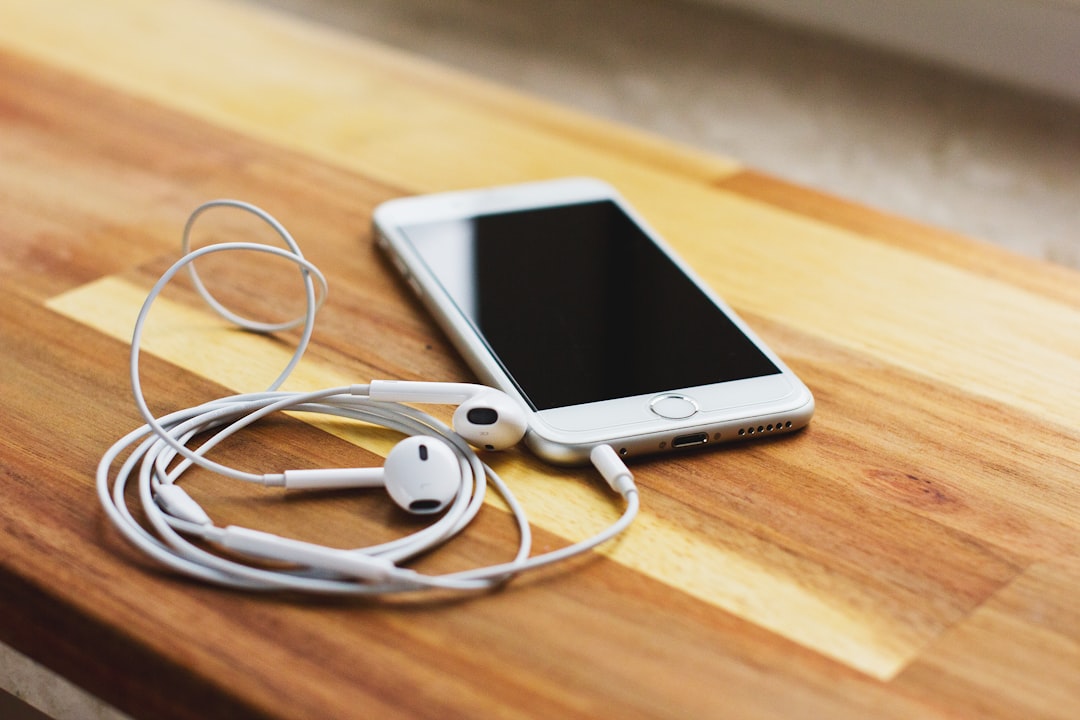
You get physical controls that work. Actual headphone jacks on older phones — which sound better than any USB-C adapter dongles. Album art that doesn't depend on internet connection. Gapless playback that actually works.
My honest assessment? After 11 years reviewing phones, this feels like rediscovering what smartphones were supposed to be before they became attention-stealing pocket computers.
The Limitations (Being Real)
Let's be honest about what you're giving up. No music discovery unless you actively seek new artists. No smooth switching between devices — though honestly, when did you last care about Spotify Connect?
Storage management becomes your responsibility again. You'll need to actually organize your music collection, delete songs you don't want, and make conscious choices about what deserves precious storage space.
Some newer music apps won't work on older Android versions. But the classic players — Poweramp, Neutron, BlackPlayer — they're specifically designed for this exact use case.
Who Should Actually Do This
If you're someone who takes music seriously — and I mean actually seriously, not just background noise while scrolling — this conversion makes complete sense. Audiophiles who've invested in proper headphones or IEMs will immediately notice the difference in audio quality.
Commuters spending 2-3 hours daily on Delhi Metro or Mumbai locals will love the battery life and reliability. No more choosing between music and keeping your phone charged for emergencies.
Students and young professionals on tight budgets can eliminate streaming subscription costs entirely while getting superior audio quality.
My Honest Take
I thought this would be a fun experiment for a week. But after a month, I'm genuinely convinced this approach delivers better value than any ₹2,000 dedicated MP3 player or ₹119 monthly streaming subscription.
smartphones have become so complex that we forgot they're actually incredible at simple tasks. A 4-year-old flagship running nothing but music apps is overkill in the best possible way.
Your old phone won't get security updates, but for offline music playback, that's completely irrelevant. It's not connecting to banking apps or handling sensitive data.
The Bottom Line
In a world where everything is subscription-based and internet-dependent, converting your old phone into a dedicated music player feels almost rebellious. You own your music, control your experience, and get exceptional battery life for ₹0 investment.
Will everyone do this? Obviously not. But if you value music quality over convenience, if you're tired of data bills and monthly subscriptions, or if you just want to rediscover what focused listening feels like, that old phone in your drawer is waiting.
In an era where flagship phones cost ₹80,000 but can't last a full day, there's something beautifully practical about a device that just works, plays music, and doesn't need your constant attention.
Fair enough — it's not for everyone. But for those who try it, good luck going back to streaming-dependent music consumption. You might just rediscover why we fell in love with music in the first place.