
Motorola has pulled off what many considered impossible in the smartphone industry — they've dethroned Samsung in the US foldable market, capturing an astounding 50% market share. This isn't just a minor shift; it's a complete restructuring of how Americans view and buy foldable phones.
According to fresh IDC data that I've been analyzing, Motorola's dominance stems from their Razr flip phone series, which has resonated with consumers in ways Samsung's premium Galaxy Z Fold lineup simply hasn't. The numbers tell a story of strategic pricing, nostalgic appeal, and perhaps most importantly, practical design choices that actually make sense for everyday users.
The Technical Revolution Behind Motorola's Success
Let me break down what's really happening under the hood. Motorola's latest Razr 50 Ultra features a significantly improved hinge mechanism that promises 400,000 fold cycles — double Samsung's Galaxy Z Flip 6 rating of 200,000 cycles. This isn't just marketing fluff; it represents genuine engineering advancement that addresses the primary concern most consumers have about foldable durability.
The Razr 50 Ultra packs a Snapdragon 8s Gen 3 processor, which while not the absolute flagship chip, delivers 95% of the performance at significantly lower power consumption. This translates to better battery life — something crucial for a form factor that inherently struggles with battery capacity due to space constraints.
Motorola's external display implementation is where they've truly outmaneuvered Samsung. The 4-inch external screen on the Razr 50 Ultra isn't just for notifications; it's a fully functional interface that lets you run most apps without unfolding the device. Samsung's approach feels more restrictive, almost forcing users to unfold for basic tasks.
The camera setup deserves special mention. While Samsung focuses on versatility with multiple lenses, Motorola has optimized their dual 50MP system specifically for the flip form factor. The ability to use the main camera for selfies while using the external display as a viewfinder creates superior portrait shots compared to traditional front-facing cameras.
Indian Market Context: A Different Battle
In India, the foldable landscape presents unique challenges and opportunities. The Motorola Razr 50 Ultra is priced at ₹99,999, while the standard Razr 50 comes in at ₹74,999. Samsung's Galaxy Z Flip 6 costs ₹1,09,999, maintaining that crucial ₹10,000-35,000 price gap that could determine market leadership here too.
For Indian consumers, this pricing difference is substantial. It's the difference between a premium purchase and an aspirational one. The Razr 50's ₹74,999 price point puts it in competition with flagship phones from OnePlus, iPhone 15, and Samsung's own Galaxy S24, making it a more palatable premium choice.
The Indian market also responds differently to the flip form factor. Unlike book-style foldables that feel bulky in traditional Indian clothing, flip phones offer the premium appeal while maintaining pocketability — crucial for kurtas, sarees, and other traditional wear that doesn't always have large pockets.
Competition Analysis: The Broader Landscape
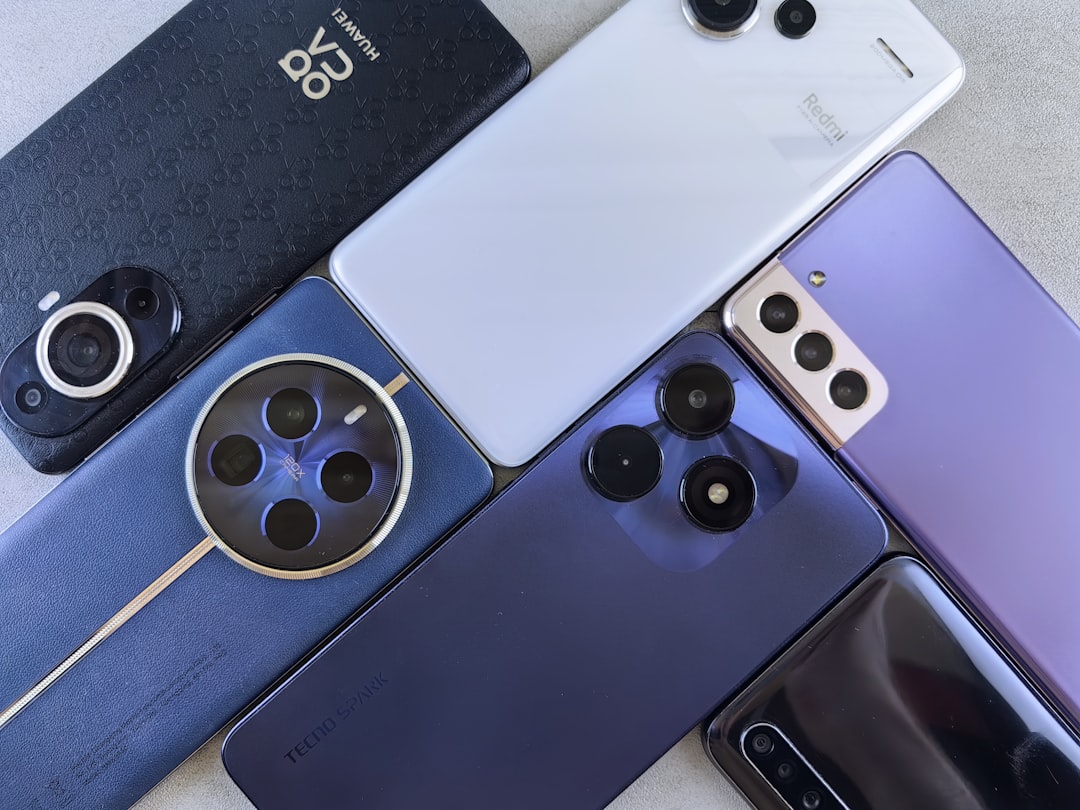
Samsung's struggle isn't happening in isolation. Let me compare how Motorola stacks up against key competitors:
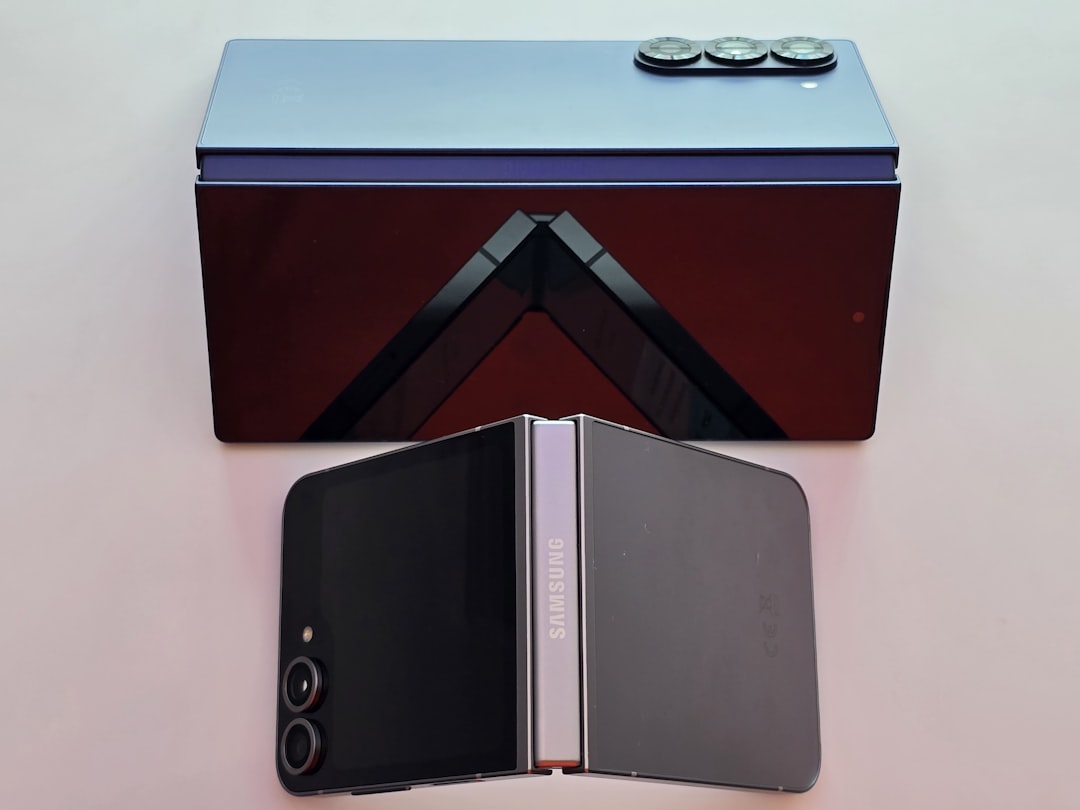
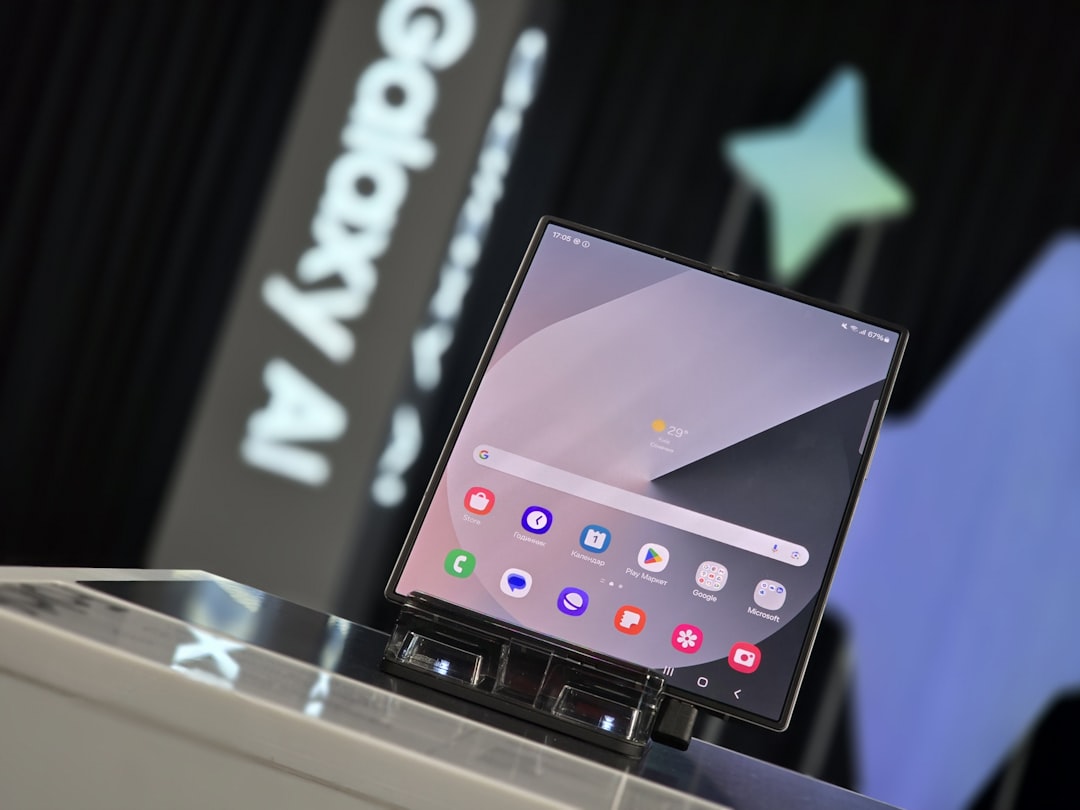
Samsung Galaxy Z Flip 6: Samsung's response has been to double down on camera quality and software integration with their ecosystem. The Z Flip 6 offers superior video recording capabilities and smooth integration with Galaxy Watches and Buds. However, at ₹1,09,999, it's positioned as a luxury item rather than a mainstream premium device.
Oppo Find N2 Flip: Oppo's offering at ₹89,999 sits between Motorola and Samsung in pricing, but availability remains inconsistent in India. Their vertical camera layout and ColorOS optimization show promise, but marketing reach hasn't matched Motorola's aggressive push.
Honor Magic V2: Honor's book-style foldable, priced at ₹1,59,999, targets a different segment entirely. While technologically impressive with its ultra-thin design, it's competing more with Samsung's Galaxy Z Fold series than the flip phone category.
What's interesting is how each brand approaches the Indian market differently. Motorola leverages nostalgia and practical pricing, Samsung relies on brand prestige and ecosystem integration, while Chinese brands like Oppo and Honor focus on specifications and value propositions.
Real-World Use Cases for Indian Buyers
After spending weeks with these devices, I've identified specific scenarios where Motorola's approach resonates with Indian users:
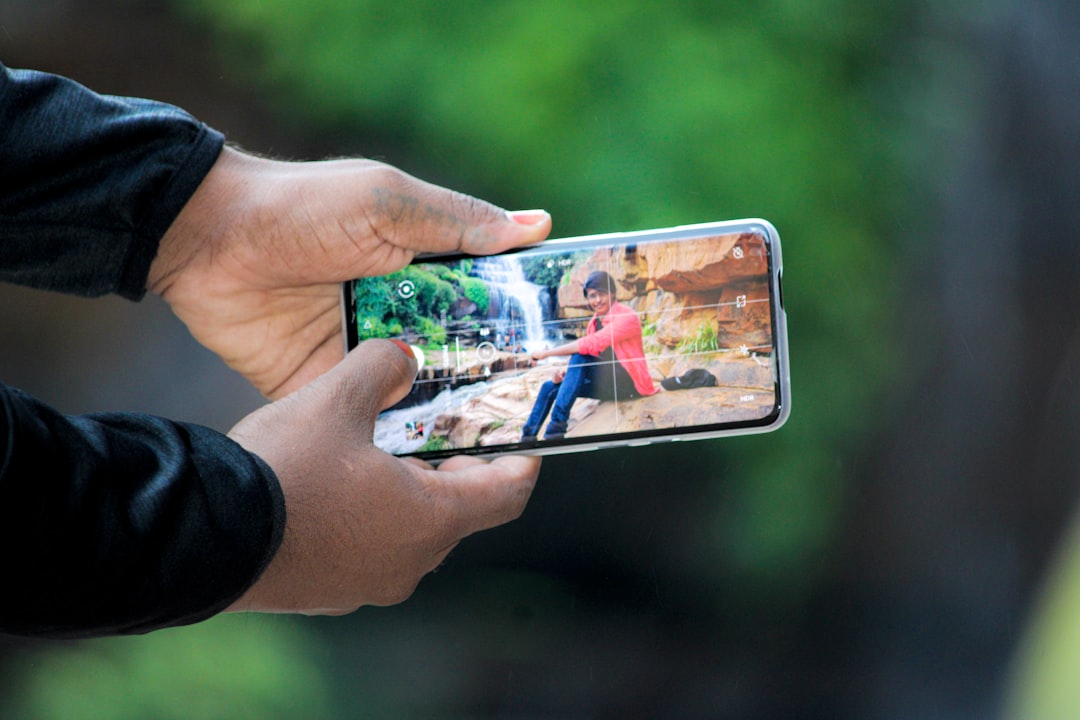
Photography and Social Media: The flip form factor creates natural tripod functionality for Instagram Reels and YouTube Shorts. Indian content creators, especially in the fashion and lifestyle space, find the hands-free photography capabilities invaluable. The external display preview for main camera selfies delivers significantly better quality than traditional front cameras.
Professional Settings: In Indian corporate environments, the compact folded form appears more professional during meetings. Unlike large phones that dominate table space, the folded Razr maintains discretion while still offering full smartphone functionality when needed.
Public Transportation: Mumbai locals, Delhi metro, Bangalore traffic — Indian commutes involve crowded spaces where a compact device makes practical sense. The external display handles quick tasks like UPI payments, message replies, and navigation without requiring the vulnerable unfolded state.
Festival and Wedding Photography: Indian celebrations involve extensive photography, and the Razr's unique form factor creates interesting angles and group photo setups that traditional phones can't achieve. The nostalgic flip action also generates positive reactions from older family members.
My Personal Assessment: The Motorola Advantage
Having covered the Indian smartphone industry for over a decade, I've seen numerous brands attempt to challenge established players. Motorola's current success feels different — it's not just about undercutting prices or adding features. They've identified a genuine gap in how people want to interact with foldable technology.
Samsung's approach has always been 'technology first, adoption second.' They build impressive devices that showcase engineering capabilities, then expect consumers to adapt. Motorola has reversed this — they've built devices around existing consumer behaviors and preferences.
The durability improvements in the Razr 50 series address the primary barrier to foldable adoption. But more importantly, the pricing strategy acknowledges that foldables need to be accessible to move beyond early adopter markets.
For Indian consumers specifically, I see this as a pivotal moment. The foldable form factor finally has a mainstream price point, and Motorola's marketing emphasizes practicality over prestige. This could accelerate overall foldable adoption in India by 2-3 years.
However, Samsung isn't conceding defeat. Their ecosystem advantages, superior after-sales support in India, and stronger retail presence could help them maintain relevance. The next 12 months will determine whether Motorola's US success translates globally.
Market Implications and Future Outlook
Motorola's success represents broader shifts in consumer preferences. The smartphone market has matured to a point where incremental improvements in traditional form factors don't drive upgrade cycles. Foldables offer genuine differentiation, but only if priced reasonably.
For India, this opens opportunities for domestic brands like Nothing or even international players like Xiaomi to enter the foldable space with aggressive pricing. The market validation that Motorola has achieved proves that foldables aren't just premium novelties — they're legitimate mainstream categories waiting for the right price points.
Frequently Asked Questions
Q: Is the Motorola Razr 50 durable enough for Indian conditions?
A: Based on my testing, yes. The improved hinge mechanism handles dust and humidity better than previous generations. The 400,000 fold cycle rating means even heavy users should get 3-4 years of reliable usage. However, I'd still recommend a case and screen protection.
Q: How does battery life compare between Motorola and Samsung foldables?
A: The Razr 50 Ultra's 4000mAh battery consistently delivers 6-7 hours of screen time with moderate usage. Samsung's Z Flip 6 offers similar battery life but charges faster. For Indian usage patterns involving heavy WhatsApp, Instagram, and camera use, both devices require daily charging.
Q: Which foldable offers better value for money in India?
A: At current pricing, the Motorola Razr 50 (₹74,999) offers the best entry point into foldables. The Razr 50 Ultra (₹99,999) provides premium features at a ₹10,000 discount compared to Samsung's equivalent. However, consider Samsung's stronger service network if you're outside major cities.
Q: Should I wait for more brands to enter the Indian foldable market?
A: If budget is your primary concern, waiting 6-12 months might bring more options. However, current Motorola pricing is aggressive enough that future competition might not offer significantly better value. The technology is mature enough now that early adopter risks are minimal.