Samsung Electronics Recovery: What This Means for Indian Buyers
Samsung Electronics is clawing its way back. The Korean giant's Visual Display (VD) and Digital Appliances (DA) divisions — responsible for TVs, refrigerators, washing machines, and air conditioners — are showing genuine signs of recovery after a brutal stretch of underperformance.
Market estimates suggest these two units have significantly narrowed their losses in early 2026. Which is honestly overdue. Samsung's consumer electronics business has been struggling while competitors like LG and Sony gained ground in premium segments.
But here's what Indian buyers really need to know — this recovery might reshape how Samsung prices its products here. And that includes smartphones.
What Actually Improved at Samsung
The Visual Display unit, which makes Samsung's QLED and Neo QLED TVs, has been hemorrhaging money for months. Competition from Chinese brands like TCL and Hisense, coupled with LG's OLED dominance, left Samsung in an awkward middle position.
Early 2026 data shows that division's losses have contracted meaningfully. Not profitable yet, but the bleeding has slowed. Samsung's premium TV strategy is finally finding buyers willing to pay ₹1.5-3 lakh for 65-inch and larger displays.
The Digital Appliances division tells a similar story. Samsung's refrigerators, washing machines, and ACs were losing market share to brands like Haier, Godrej, and even newer players like Voltas Beko. The turnaround here has been quicker — aided by Samsung's push into smart home integration.
Samsung needed this. The company's mobile division has been carrying the entire consumer electronics business for too long. Galaxy phones and tablets were essentially subsidizing underperforming TV and appliance units.
The India Connection Nobody's Talking About
Samsung's recovery in these divisions matters more for Indian buyers than most realize. When Samsung's appliance and TV businesses were tanking, the company relied heavily on smartphone margins to balance books. That pressure trickled down to Galaxy phone pricing.
My honest take? Samsung's aggressive pricing on phones like the Galaxy A55 (₹42,999) and Galaxy S24 FE (₹74,999) was partly because mobile had to compensate for losses elsewhere.
With Visual Display and Digital Appliances stabilizing, Samsung has breathing room. They don't need to extract every rupee from smartphone sales. This could mean more competitive Galaxy pricing in India — especially in the ₹15,000-30,000 segment where Chinese brands dominate.
Samsung's Indian operations span all these divisions. The Noida factory makes phones, Chennai handles appliances, and displays come through the Andhra Pradesh facility. When one division struggles globally, it affects local pricing strategies across all product lines. More Samsung news on The Tech Bharat
What Changed Samsung's Fortune
| Division | Previous Issue | Recovery Factor |
|---|---|---|
| Visual Display | Premium TV competition from LG OLED | Neo QLED 8K adoption, gaming TV focus |
| Digital Appliances | Chinese brands undercutting prices | Smart connectivity, premium features |
| Overall Impact | Mobile division carrying losses | Reduced pressure on Galaxy pricing |
Samsung's pivot toward premium features worked. Their latest refrigerators with AI-powered cooling and washing machines with smartphone connectivity found buyers willing to pay ₹80,000-1.2 lakh. Indians are upgrading appliances faster than ever, and Samsung positioned itself well for this trend.
The Visual Display recovery is trickier. Samsung doubled down on gaming TVs and 8K displays. While 8K content remains limited in India, gamers are paying premium prices for 120Hz QLED TVs. The PlayStation 5 and Xbox Series X boom helped Samsung here.
Why This Matters for Galaxy Phone Buyers
Samsung's recovery creates interesting opportunities for Indian smartphone buyers. With less pressure to generate profits from mobile, Samsung can afford to compete more aggressively with OnePlus, Xiaomi, and Realme.
Expect Samsung to launch more phones in the ₹20,000-35,000 segment this year. They've been ceding too much ground to Chinese brands in this crucial price band. Galaxy A-series phones need better specifications at current prices — and this recovery makes that financially viable.
But don't expect dramatic price cuts immediately. Samsung moves deliberately. The company will likely test pricing strategies in smaller markets before rolling out India-wide changes. Still, Galaxy S26 series pricing in late 2026 could be more competitive than the S25 launch prices.
Personally, I think Samsung's biggest opportunity is the ₹25,000-40,000 segment. Chinese brands dominate here, but Samsung has superior after-sales service across India. If they can match specifications while maintaining that service advantage, they'll win back market share.
The Competition Isn't Sleeping
Samsung's recovery happens while competitors strengthen their positions. LG continues leading premium OLED TVs. Sony's Bravia series maintains its cinema-focused appeal. In appliances, Haier and Godrej have built strong distribution networks.
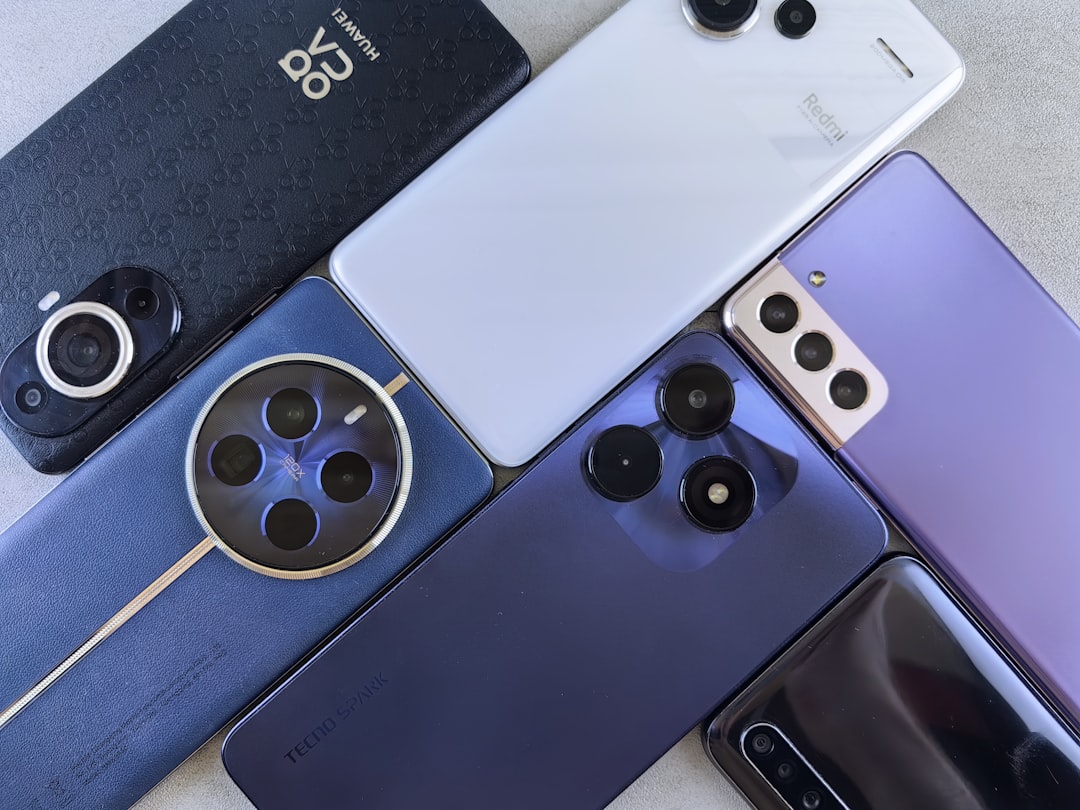
Chinese smartphone brands aren't standing still either. Xiaomi's ecosystem approach — phones, TVs, appliances under one brand — challenges Samsung's multi-division strategy. OnePlus keeps pushing flagship-killer phones at prices Samsung struggles to match.
And here's the concerning part. Samsung's recovery is early-stage. One bad quarter, one supply chain disruption, one major competitor price war could reverse these gains quickly. The Korean giant needs sustained improvement across multiple product categories — not easy in today's volatile market.
Compare phones on The Tech Bharat to see how Samsung's current lineup stacks against Chinese competitors. The specifications gap is real, especially in the ₹15,000-25,000 range where Samsung offers weaker processors and smaller batteries.
Vijay's Take: What Indian Buyers Should Expect
Samsung's consumer electronics recovery is genuinely good news for Indian buyers. Not because it guarantees cheaper phones immediately, but because it removes pricing pressure from the mobile division.
Samsung has been prioritizing margins over market share in smartphones. That strategy worked globally but hurt them in price-sensitive India. With stable appliance and TV businesses, Samsung can afford to compete on specifications rather than just margins.
My prediction? Samsung will launch 2-3 more Galaxy A-series phones in 2026, specifically targeting ₹18,000-28,000 price points. They need volume sales to compete with Xiaomi and Realme. The company's service network advantage only matters if people buy Samsung phones first.
| Pros | Cons |
|---|---|
| Reduced pressure on Galaxy pricing | Recovery still early-stage |
| More competitive smartphone launches likely | Chinese brands still lead on specifications |
| Strong service network in India | Premium positioning limits mass market appeal |
| Multi-division strategy provides stability | Complex business makes quick pivots difficult |
The bigger picture matters too. Samsung's integrated approach — phones, tablets, TVs, appliances working together — becomes more viable when all divisions perform well. Indians buying Samsung washing machines might consider Galaxy phones next. Cross-selling opportunities improve when every product line is healthy.
What to Watch For Next
Samsung's Q2 2026 earnings will reveal whether this recovery sustains. Early signs are promising, but consumer electronics markets change rapidly. Supply chain costs, component shortages, or economic downturns could reverse progress quickly.
For Indian buyers, watch Samsung's Galaxy A56 and A36 launches expected in May-June 2026. If these phones offer significantly better specifications than their predecessors while maintaining similar pricing, it confirms Samsung's newfound pricing flexibility.
Also monitor Samsung's premium appliance sales in India. The company's been pushing ₹1+ lakh refrigerators and ACs aggressively. Success here indicates Indian consumers are upgrading — and willing to pay Samsung premium pricing. That trend supports higher smartphone margins without volume loss.
The Visual Display division's performance in Indian TV sales during IPL season (March-May) and festive period (September-November) will indicate real recovery sustainability. Samsung needs strong sales during these peak periods to maintain momentum.
Samsung's recovery isn't guaranteed. But early signs suggest Indian buyers could benefit from more competitive Galaxy pricing and better specifications in coming months. The company finally has room to compete rather than just protect margins.
Based on Market Reports: This article analyzes Samsung's divisional performance based on market estimates and industry reports. Specific financial figures await official Samsung earnings disclosure.
Frequently Asked Questions
What is the India price impact?
Samsung's recovery could lead to more competitive Galaxy phone pricing, especially in the ₹20,000-35,000 segment where Chinese brands currently dominate specifications.
When will improved Samsung phones launch in India?
Galaxy A56 and A36 expected in May-June 2026 will be the first indicators of Samsung's improved pricing strategy following this divisional recovery.
Is it worth waiting for new Samsung phones?
If you're buying in the ₹20,000-35,000 range, waiting for Galaxy A56/A36 makes sense. Samsung might finally offer competitive specifications against Chinese brands.