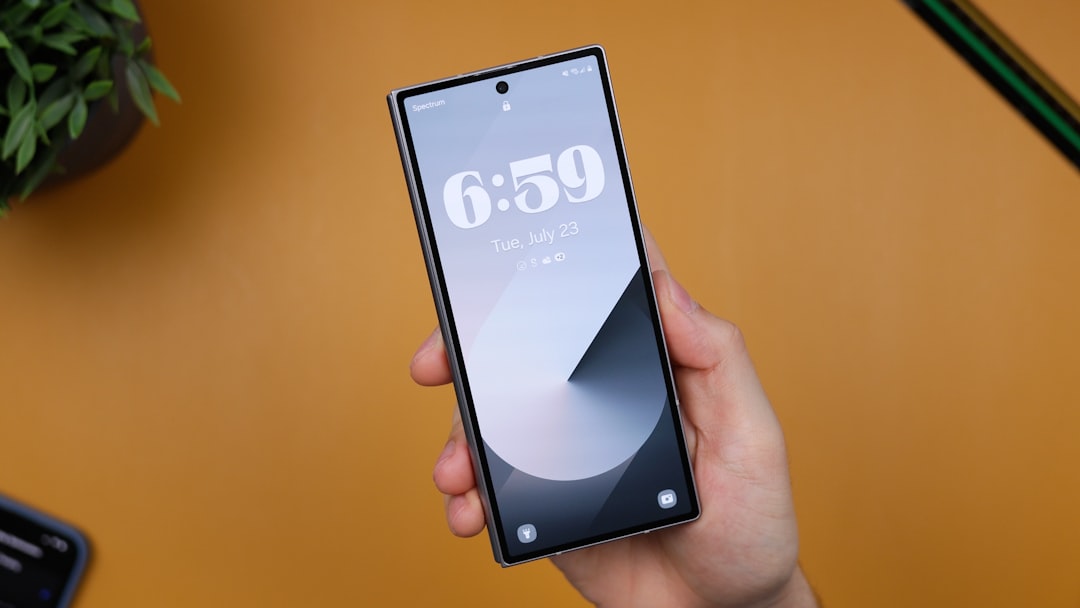
Samsung's ₹50,000 Crore Memory Windfall: Why This Matters for Indian Phone Buyers
Samsung Electronics just dropped some serious numbers. Record first-quarter 2026 earnings. And here's the kicker — over 90% of those profits came from memory chips, not phones.
The AI boom is driving memory demand through the roof. Every data centre, every AI server, every machine learning setup needs more RAM and storage. Samsung's sitting pretty at the top of this goldmine, with DRAM and NAND flash prices jumping 20-30% compared to last year.
But what does this mean for you if you're planning to buy a Galaxy phone in India? Well, it's complicated.
The Numbers That Actually Matter
Samsung's memory division posted operating profits of approximately ₹48,000 crores this quarter alone. That's genuinely massive. Compare that to the mobile division, which contributed less than 8% to total earnings despite selling millions of Galaxy devices worldwide.
this shift changes everything. When your memory business is printing money at this scale, phone pricing strategies get interesting. Samsung doesn't need to compete as aggressively on phone margins when chips are delivering 40%+ profit margins.
The AI-driven memory rally isn't slowing down either. Industry analysts expect this trend to continue through 2027, with server memory demand growing 35% year-over-year. Every ChatGPT query, every AI image generation, every machine learning model — they all need Samsung's memory chips.
this is the biggest memory upcycle in nearly a decade. Samsung's controlling roughly 42% of the global DRAM market and 35% of NAND flash. When demand explodes like this, they're the primary beneficiary.
| Business Division | Q1 2026 Revenue | Operating Margin |
|---|---|---|
| Memory Semiconductors | ₹52,000+ crores | 42% |
| Mobile & Networks | ₹8,500 crores | 12% |
| Display Panels | ₹6,200 crores | 8% |
What This Means for Galaxy Phone Prices in India
Here's where it gets tricky for Indian buyers. Samsung's component costs are actually rising — not because memory is expensive for them to make, but because they can sell those same chips to data centres for 3x the profit.
The Galaxy S26 series, expected to launch in India around February 2027, will likely cost ₹5,000-₹8,000 more than equivalent S25 models. Not because phones got more expensive to build, but because Samsung's opportunity cost changed.
Think about it this way — every 12GB of LPDDR5X RAM that goes into a ₹80,000 Galaxy S26 Ultra could instead go into server memory selling for ₹15,000+ to AI companies. That math reshuffles pricing psychology completely.
My honest take? Samsung India will probably maintain current Galaxy A-series pricing to protect market share, but premium phones are getting pricier. The company can afford to lose some volume if margins stay healthy.
Is this fair to Indian consumers? Not really. But business reality rarely cares about fairness.
The India Market Reality Check
Samsung's memory windfall creates a fascinating dynamic in the Indian smartphone market. They're less dependent on phone sales for profitability, which could go two ways — better innovation funding or higher prices.
The good news? Samsung's increased R&D budget means potentially better cameras, faster processors, and improved software for Indian users. When you're making ₹48,000 crores from memory alone, spending an extra ₹2,000 crores on phone innovation becomes easier to justify.
But there's a catch. More Samsung news on The Tech Bharat suggests the company is already shifting focus toward premium segments where margins matter more than volume.
For context, Samsung currently holds about 18% of the Indian smartphone market, but their average selling price has increased 22% over the past year. This memory boom will likely accelerate that trend — fewer budget phones, more focus on ₹25K+ devices.
Chinese brands like Xiaomi and OnePlus are watching this closely. If Samsung pricing becomes less aggressive due to memory profits, competitors will definitely capitalise. The ₹15K-₹30K segment could see intensified competition as Samsung potentially retreats upmarket.
Component Supply Chain Impact
Here's something most buyers don't realise — Samsung's memory dominance affects every Android phone maker, not just Samsung phones. When memory prices surge due to AI demand, everyone from OnePlus to Nothing feels the pinch.
LPDDR5X RAM costs have increased 28% since January 2026. UFS 4.0 storage is up 31%. These aren't small numbers when you're pricing a ₹25,000 phone where every ₹500 matters for competitiveness.
Samsung's vertically integrated advantage becomes crucial here. They control their own memory supply, so Galaxy phones face less cost pressure than competitors who buy Samsung chips at market rates.
Personally, I expect this to create a two-tier market. Samsung and Apple, with their integrated supply chains, will maintain healthier margins. Everyone else will either sacrifice features or accept thinner profits.
Should You Wait or Buy Now?
If you're planning to buy a Samsung phone in India, timing matters more than usual. Current Galaxy S25 series pricing represents the last generation before memory profits reshape Samsung's strategy.
The Galaxy S25 Ultra at ₹1,24,999 looks expensive today, but the S26 Ultra will likely launch at ₹1,32,999 or higher. Same performance tier, higher price tag — purely due to opportunity cost economics.
For budget-conscious buyers, focus on Galaxy A-series phones through 2026. Samsung needs volume in India to maintain market share, so A35, A55, and A75 pricing should remain competitive. The memory windfall mainly affects premium segments where buyers are less price-sensitive.
But honestly? If you're shopping in the ₹15K-₹25K range, consider alternatives. Compare phones on The Tech Bharat to see how Realme, iQOO, and Poco are delivering similar specs for better value as Samsung shifts focus.
| Price Segment | Samsung Strategy Impact | Best Alternative |
|---|---|---|
| Under ₹15K | Limited impact, maintaining presence | Redmi/Realme better value |
| ₹15K-₹30K | Gradual premium shift | iQOO/Poco more competitive |
| ₹30K-₹60K | Higher pricing expected | OnePlus/Nothing solid options |
| Above ₹60K | Major price increases likely | iPhone competitive again |
The Bigger Picture for Indian Tech
Samsung's memory dominance highlights India's vulnerability in semiconductor supply chains. We're heavily dependent on Korean and Taiwanese companies for critical components, and their profit priorities directly impact our phone market.
The Indian government's semiconductor manufacturing push becomes even more relevant now. When foreign suppliers can make 40%+ margins selling to AI companies, local phone manufacturing feels the squeeze.
This dynamic extends beyond Samsung. SK Hynix and Micron are seeing similar memory windfalls, creating industry-wide component cost pressure. Indian brands like Micromax or Karbonn face impossible economics trying to compete.
My prediction? We'll see more Chinese phone makers setting up deeper supply chain partnerships to offset rising component costs. The next 18 months will be crucial for determining which brands can navigate this memory-driven cost inflation.
Vijay's Take: What Actually Matters
Samsung's record earnings are impressive, but the real question is whether this benefits Indian consumers or just shareholders. Based on 11 years covering this market, I'm skeptical about the consumer angle.
Companies don't typically pass windfall profits to customers through lower prices. Instead, they invest in higher margins or premium features that justify higher prices. Samsung's memory goldmine will likely follow this pattern.
For Indian buyers, this creates a narrow window. Current Samsung phone prices represent the last generation of pre-memory-boom economics. If you need a Galaxy device, buying before Q3 2026 makes financial sense.
But honestly, this opens opportunities for competitors. When Samsung prioritises memory profits over phone market share, brands like OnePlus, Nothing, and even Apple can capture premium buyers with better value propositions.
The memory rally won't last forever — these cycles typically run 18-24 months before supply catches up with demand. By 2028, phone pricing should normalise. But that's a long time to wait for better deals.
Based on Earnings: This article is based on Samsung's official Q1 2026 earnings report and industry analysis. Phone pricing predictions are estimates based on market trends. Actual India pricing may vary until official announcements.
Frequently Asked Questions
What is the India price impact?
Premium Samsung phones could increase by ₹5,000-₹8,000 due to memory opportunity costs, while budget A-series pricing should remain stable to maintain market share.
When will pricing changes take effect?
Galaxy S26 series launch in February 2027 will likely reflect new pricing strategy, while current S25 models represent pre-memory-boom economics.
Is it worth buying Samsung phones now?
If you specifically want a Samsung phone, buying before Q3 2026 offers better value. Otherwise, consider OnePlus, iQOO, or Nothing for similar features at better prices.