Samsung QD-OLED Hits 5 Million Units: Why LG's Struggling in Premium Displays
Samsung Display just crossed a major milestone. QD-OLED panel shipments hit 5 million units by March 2026. That's not just a number — it's Samsung establishing complete dominance in the premium display space while LG scrambles to find alternative suppliers.
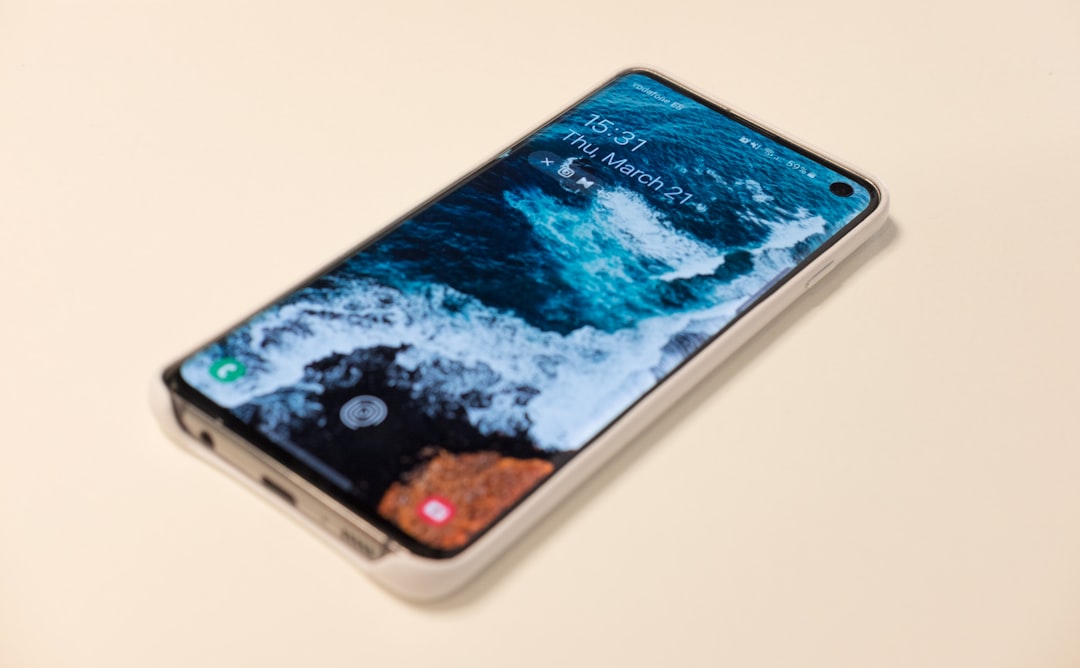
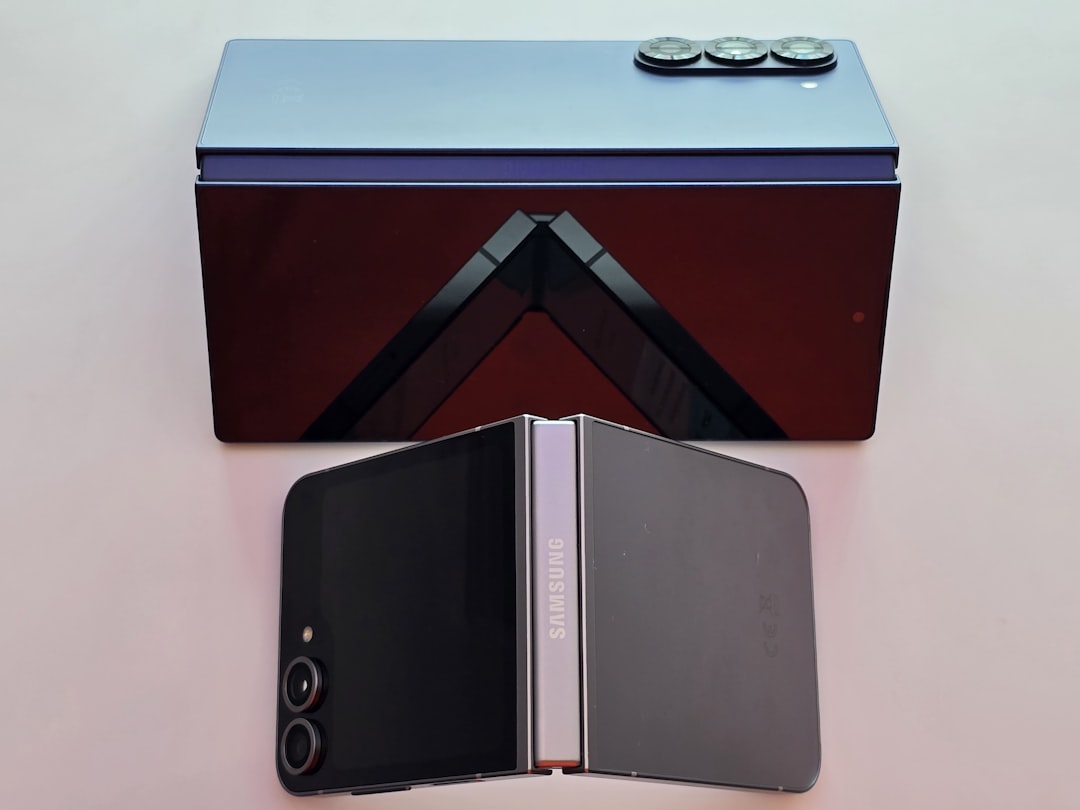
And honestly, this matters way more for Indian consumers than you'd think. These QD-OLED panels aren't just powering high-end monitors anymore — they're about to revolutionize smartphone displays in India. The same technology that's making Samsung the king of premium monitors is coming to flagship phones, probably by late 2026.
The thing is, when Samsung controls the supply chain this thoroughly, it changes everything. Pricing, availability, and which brands get access to the best display tech first. LG's current predicament — having to source from rivals — shows just how quickly the display industry can shift.
What QD-OLED Actually Means for Indian Buyers
QD-OLED stands for Quantum Dot Organic Light Emitting Diode. Sounds fancy, but here's what it actually does. Better colors than regular OLED. Higher peak brightness. And crucially for India's market — better power efficiency than traditional OLED panels.
| Display Technology | Peak Brightness | Color Volume | Power Efficiency | Cost Premium |
|---|---|---|---|---|
| Regular LCD | 400-600 nits | 70-80% | Baseline | Base price |
| Standard OLED | 800-1000 nits | 85-90% | 20% better | +₹8,000 |
| QD-OLED | 1500+ nits | 95%+ | 35% better | +₹15,000 |
| Mini LED | 1200-1400 nits | 80-85% | 10% better | +₹12,000 |
| Micro LED | 4000+ nits | 100% | 50% better | +₹40,000 |
| E-Ink | 300-400 nits | 10% | 95% better | -₹5,000 |
| LTPO OLED | 900-1100 nits | 88-92% | 40% better | +₹10,000 |
| BOE OLED | 750-950 nits | 82-87% | 15% better | +₹6,000 |
Samsung's 5 million unit milestone isn't just about monitors though. It's proof they've solved the manufacturing challenges that kept QD-OLED expensive and limited. When production scales up this much, costs come down. Which means QD-OLED smartphones become viable.
Look, I've been covering displays for years now. The jump from LCD to OLED was massive — especially for dark room viewing and battery life. But QD-OLED to regular OLED? That's about HDR content, outdoor visibility, and color accuracy that genuinely matters for photography and video editing on phones.
Why LG's Supplier Problem Affects Indian Smartphone Prices
Here's what's actually happening behind the scenes. LG bet heavily on their own WOLED technology for premium displays. Samsung went with QD-OLED. Samsung's approach won, massively. Now LG Display is sourcing QD-OLED panels from Samsung — their biggest competitor — for their own premium monitor lineup.
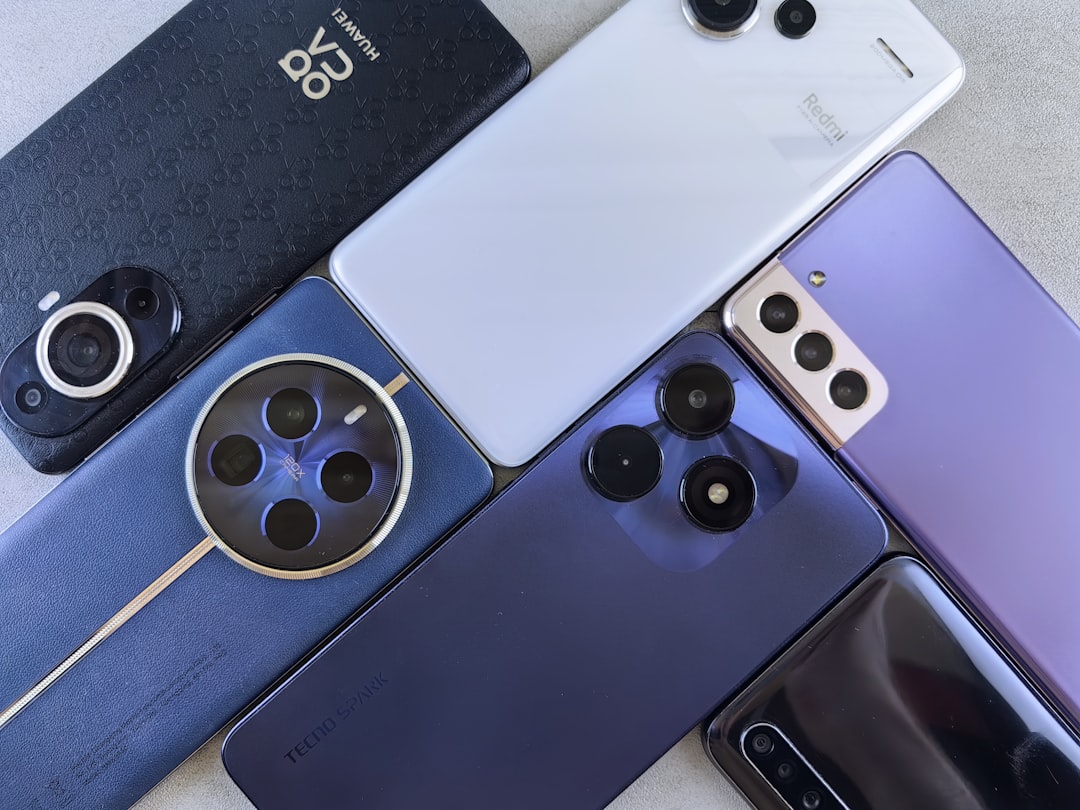
For Indian smartphone buyers, this creates a weird situation. Samsung has the best display tech and controls who gets it. LG's phones might actually get worse displays than Samsung's flagships, even at similar prices. And brands like OnePlus or Realme? They'll have to pay Samsung's premium pricing to get QD-OLED panels.
My honest take is this shifts the entire flagship phone market in India. Best Flagship Phones in India lists will be dominated by Samsung simply because they control the supply chain for premium displays. Other brands will either pay more for the same panels or settle for inferior display tech.
But here's the opportunity — if you're planning to buy a premium phone in India by early 2027, waiting for QD-OLED models makes sense. The visual upgrade is genuinely significant, especially for HDR video and gaming. Just expect to pay ₹10,000-15,000 more than current flagship prices.
Indian Market Impact: Who Benefits and Who Loses
Samsung's display dominance creates clear winners and losers in India's smartphone market. Winners: Samsung flagship buyers get the best displays first. Losers: everyone else pays more for inferior tech or settles for older display technology.
Chinese brands like Xiaomi, OnePlus, and Realme face a tough choice. Source expensive QD-OLED panels from Samsung and lose their pricing advantage? Or stick with cheaper displays and lose the premium market to Samsung. Some brands might partner with BOE or other Chinese display makers, but the quality gap will be noticeable.
For Indian consumers, this means flagship phone prices are about to get even more stratified. Smartphone Buying Guide India 2026 recommendations will need major updates because display quality is becoming the key differentiator, not just processor specs or camera megapixels.
Apple's in an interesting position here. They've historically used Samsung displays for iPhones, so they'll likely get QD-OLED panels for future iPhone models. But they'll pay Samsung's prices, which could push iPhone pricing in India even higher — potentially crossing ₹1.5 lakh for Pro Max models with QD-OLED displays.
₹60K और Above: The New QD-OLED Battlefield
Based on current QD-OLED monitor pricing and Samsung's manufacturing costs, expect QD-OLED smartphones to start around ₹60,000-65,000 in India. That's roughly ₹15,000 more than equivalent phones with regular OLED displays. Worth it? Depends on what you use your phone for.
Gaming enthusiasts will love QD-OLED phones. Higher peak brightness means better HDR gaming. More accurate colors help with competitive gaming where spotting enemies matters. And better power efficiency means longer gaming sessions without the phone heating up as much in India's climate.
Content creators get the biggest benefit though. If you edit videos or photos professionally on your phone, QD-OLED's color accuracy is genuinely game-changing. You can trust what you see on screen for color grading and photo editing. Regular OLED displays, even good ones, have color shifts that professionals notice.
But for general WhatsApp, Instagram, and streaming use? Honestly, the upgrade isn't worth ₹15,000 extra. Regular OLED displays in current flagships like the Galaxy S26 or iPhone 17 are already excellent for everyday use. The QD-OLED premium makes sense only for power users with specific needs.
Competition Analysis: Samsung vs Everyone Else
Samsung's QD-OLED advantage is temporary, but significant. Chinese display makers like BOE and CSOT are developing competing technologies, but they're at least 12-18 months behind Samsung in production quality and scale. Which gives Samsung a clear runway to dominate the premium smartphone display market.
LG's current reliance on Samsung for QD-OLED panels puts their phone division in an awkward spot. Their flagship phones will either use Samsung displays (expensive) or their own inferior OLED panels (quality compromise). Neither option is great for competing with Samsung's own flagship phones in India.
Chinese brands are already exploring alternatives. Xiaomi's reportedly testing CSOT's quantum dot displays for 2027 flagship phones. OnePlus might stick with Samsung displays but pass the cost increase to consumers. Realme will probably avoid QD-OLED entirely and focus on aggressive pricing with standard OLED displays.
Pros and Cons for Indian Buyers
| Pros | Cons |
|---|---|
| Significantly better outdoor visibility in Indian sunlight | ₹15,000+ price premium over regular OLED |
| More accurate colors for photography and video work | Limited to Samsung and select premium brands initially |
| Better power efficiency = longer battery life | Repair costs likely much higher than standard displays |
| Superior HDR gaming and video experience | Benefits mainly noticeable for power users |
| Future-proof display technology | May drive overall flagship phone prices higher |
Who Should Wait for QD-OLED Phones
Content creators, mobile gamers, and photography enthusiasts should definitely wait for QD-OLED phones. The display upgrade genuinely improves your workflow if you edit photos, shoot videos, or play graphics-intensive games regularly. The color accuracy and brightness improvements aren't marketing fluff — they're noticeable in daily use.
Tech enthusiasts who keep phones for 3-4 years should also consider waiting. QD-OLED represents a genuine generational leap in display technology, similar to the jump from LCD to OLED a few years ago. If you're planning to buy a flagship phone and use it until 2029-2030, the display upgrade makes financial sense.
Who Should Skip QD-OLED and Buy Now
Casual users who primarily use phones for calls, messaging, social media, and basic photography should buy current flagship phones instead. Best Samsung Smartphones in India 2026 already have excellent displays that handle these tasks perfectly well. The QD-OLED premium isn't justified for basic smartphone use.
Budget-conscious buyers should definitely stick with current options. The ₹15,000 price difference between QD-OLED and regular OLED phones could be spent on better cameras, more storage, or simply saved for other purchases. Regular OLED displays in 2026 flagship phones are already outstanding for most users.
My Honest Assessment: What This Really Means
I think Samsung's QD-OLED dominance fundamentally changes the flagship smartphone market in India. Not immediately, but over the next 18 months. When one company controls the best display technology AND manufactures the panels, they have pricing power and supply chain advantages that competitors can't match easily.
Personally, this makes me more interested in Samsung flagship phones than I've been in years. Display quality is becoming the key differentiator as processors and cameras reach diminishing returns in flagship phones. If Samsung can deliver QD-OLED displays at reasonable prices — say ₹65,000 for a Galaxy S27 with QD-OLED instead of ₹80,000+ — they'll dominate the premium market.
The concerning part is reduced competition. When Samsung controls both the best display panels and manufactures the phones, other brands face difficult choices. Pay Samsung's prices, use inferior displays, or exit the premium market entirely. None of these options benefit Indian consumers in the long term.
What to Watch For Next
Samsung will likely announce QD-OLED smartphones at their next Unpacked event, probably by late 2026. Expect the Galaxy S27 series to feature QD-OLED displays as a key selling point. Pricing and availability in India will determine how aggressively other brands respond.
Chinese display makers like BOE are working on competing technologies, but their quantum dot OLED panels won't match Samsung's quality until 2027-2028. This gives Samsung at least 12-18 months of technological advantage — huge in the fast-moving smartphone market.
LG's response will be interesting to watch. They're clearly behind in display technology now, so they might focus on other differentiators like audio quality, build materials, or software features. Or they might license Samsung's QD-OLED technology, which would be expensive but necessary for premium phones.
For Indian buyers, the key question is whether QD-OLED phones will support India's 5G bands properly. Samsung's track record with n77 and n78 band support is excellent, but ensuring QD-OLED models work with all Indian 5G networks will be crucial for widespread adoption. Best 5G Phones in India comparisons will need to include display technology as a major factor alongside network compatibility.
The bottom line? Samsung's 5 million QD-OLED milestone isn't just about monitors — it's about establishing display technology dominance that will reshape the entire smartphone industry. Indian consumers will benefit from better display technology but might face higher prices and reduced competition. Whether that trade-off is worth it depends entirely on how you use your phone.
Market Analysis: This article is based on confirmed Samsung Display shipment data and industry supply chain reports. QD-OLED smartphone availability and pricing in India are estimates based on current market trends.
Frequently Asked Questions
What is the India price for QD-OLED phones?
QD-OLED smartphones are expected to start around ₹60,000-65,000 in India, representing a ₹15,000 premium over regular OLED flagship phones.
When will QD-OLED phones launch in India?
Samsung is expected to introduce QD-OLED smartphones by late 2026, with India availability likely by early 2027 alongside global launches.
Is QD-OLED worth buying over regular OLED?
For content creators, mobile gamers, and photography enthusiasts, yes. For casual users, the ₹15,000 premium isn't justified over current excellent OLED displays.