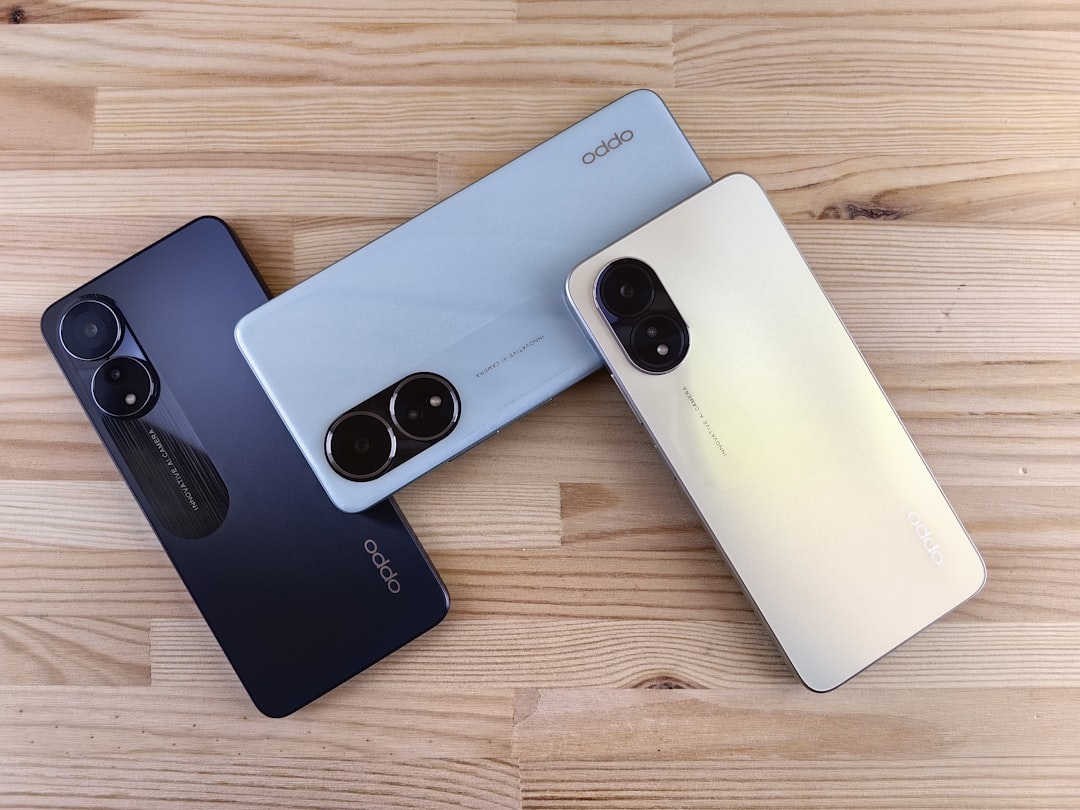
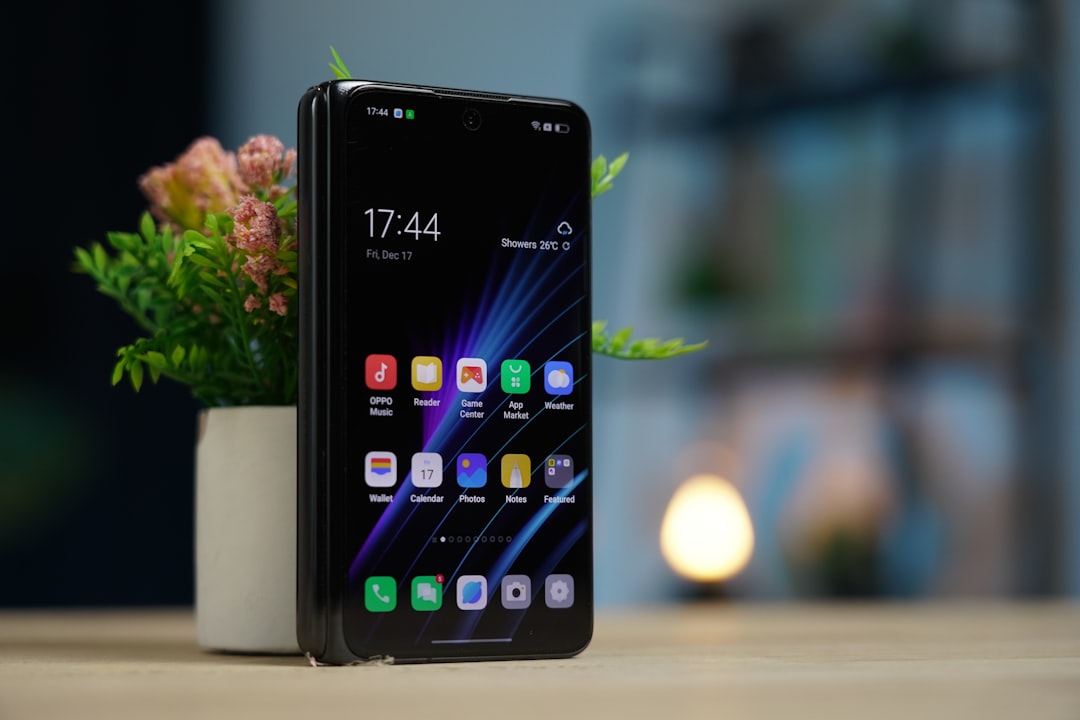
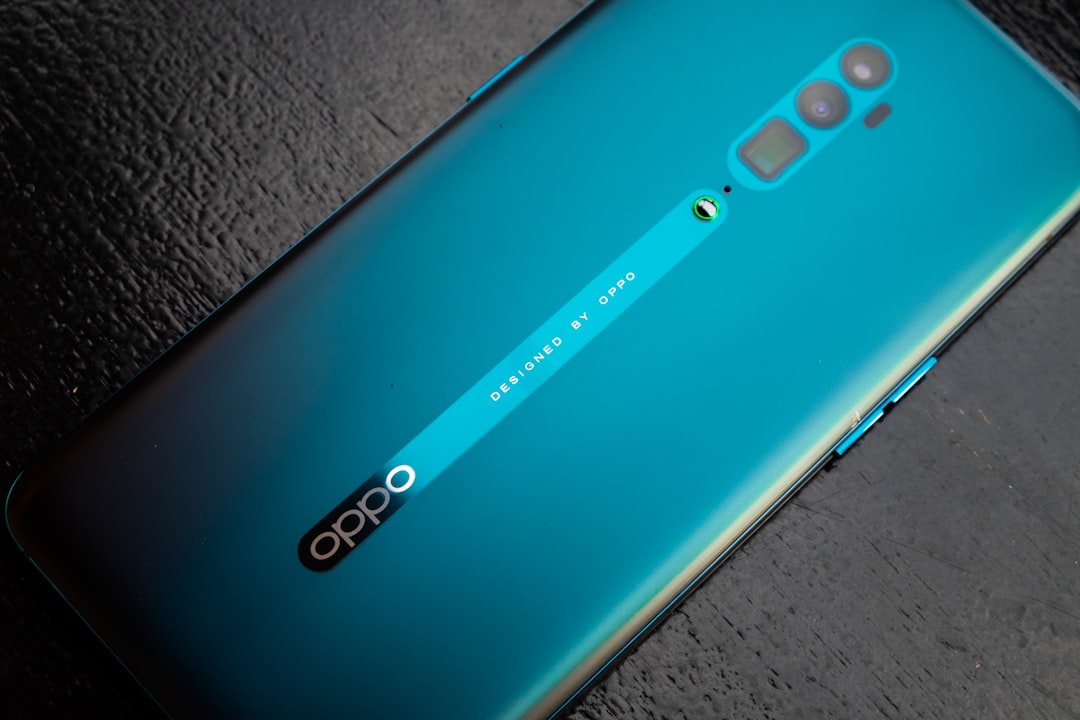
Oppo's hitting component cost walls. Hard.
The Chinese smartphone maker just confirmed it's deploying what they're calling "procurement, product, and market strategies" to handle rising memory and component costs after reaching 100 million annual shipments. Translation? They're scrambling to keep profits alive while phone parts get more expensive every quarter.
this explains everything about Oppo's recent moves in India - from the mysterious price hikes to the sudden focus on premium devices that most Indian buyers can't afford.
The Real Numbers Behind Oppo's Component Crisis
Let me break down what's actually happening here. Component costs aren't just rising - they're spiking in ways that make budget smartphone manufacturing nearly impossible.
Memory prices have increased 25-30% year-over-year. LPDDR5 RAM that cost $8 per 8GB module in early 2023 now runs $11-12. That's a direct ₹250-300 increase per device before you factor in other components.
Chipset costs tell an even worse story. MediaTek's Dimensity 6000 series pricing has jumped 15-20%, while Qualcomm's Snapdragon 4 Gen series costs have risen similarly. For a company shipping 100 million devices annually, we're talking about $300-400 million in additional component costs.
The kicker? Display panels, camera sensors, and even basic components like charging chips have all seen double-digit price increases. Oppo's looking at roughly $4-6 additional cost per device across their entire portfolio.
Do the math: 100 million devices × $5 average increase = $500 million in additional costs annually. That's enough to wipe out profit margins entirely in competitive markets like India.
Why India Became Oppo's Biggest Problem
India's smartphone market operates on razor-thin margins even in good times. Average selling prices hover around ₹15,000-18,000, with consumers expecting flagship features at budget prices.
Oppo's India market share tells the story perfectly. Two years ago, they held 12% market share, competing directly with Xiaomi and Realme in the ₹10,000-25,000 segment. Today? They're down to 8% and retreating fast from budget categories.
The company's recent India pricing moves make perfect sense now:
- Oppo A78 launched at ₹18,999 (₹3,000 higher than expected)
- Oppo F23 5G priced at ₹24,999 (pushing premium boundary)
- Budget A-series launches delayed or cancelled entirely
Meanwhile, their offline retail presence - once Oppo's biggest India advantage - became a liability. Maintaining 50,000+ retail touchpoints costs serious money when margins disappear.
Here's what's really happening: Oppo can't afford to compete in India's volume segments anymore. They're hoping premium positioning will save them, but Indian buyers aren't following.
How Competitors Are Handling the Same Crisis
Every smartphone brand faces these component cost increases, but responses vary dramatically.
Samsung's Strategy: The Korean giant leverages vertical integration heavily. They manufacture their own memory, displays, and Exynos chipsets, insulating them from external price shocks. Samsung's component costs have increased only 8-12% compared to Oppo's 20-25% impact.
Samsung also maintains diverse price portfolios. Their Galaxy A-series absorbs cost increases through feature reductions rather than price hikes. The Galaxy A34, for instance, uses last-generation camera sensors to maintain ₹30,999 pricing.
Xiaomi's Approach: Xiaomi's "honest pricing" philosophy forced creative solutions. They've increased online-exclusive models to reduce distribution costs, offset component price increases through operational efficiency.
Xiaomi also leverages ecosystem revenue. Every Redmi phone sold connects users to Mi services, accessories, and IoT products. Phone hardware margins matter less when ecosystem revenue grows.
More importantly, Xiaomi maintains aggressive component negotiations through sheer volume. Ordering 50+ million chipsets annually gives pricing power Oppo lacks.
Realme's Response: As Oppo's sub-brand, Realme should face identical cost pressures. Instead, they're gaining market share by accepting lower per-device profits.
Realme's focusing on specification leadership rather than margin optimization. Their recent devices pack flagship-level specs at mid-range pricing, betting that volume growth will eventually deliver profits.
What This Means for Indian Smartphone Buyers
If you're planning smartphone purchases, Oppo's crisis creates both opportunities and risks.
Budget Segment Impact (₹10,000-20,000): Fewer Oppo options mean less competition, potentially slowing specification improvements across the segment. However, Xiaomi and Realme are filling gaps aggressively.
The Oppo A78 5G at ₹18,999 offers solid performance but competes against Xiaomi's Redmi Note 12 5G (₹17,999) with superior specifications. Indian buyers win through increased competition from remaining brands.
Premium Segment Changes (₹25,000+): Oppo's premium push brings better build quality and camera performance to higher price points. The Oppo Reno series now targets OnePlus buyers directly.
For photography enthusiasts, this creates interesting options. Oppo's portrait photography algorithms rival Google Pixel performance in many scenarios, now available in India-focused devices.
After-Sales Considerations: Oppo's reduced India focus raises long-term support questions. Software updates, spare parts availability, and service center coverage might decline if market exit accelerates.
The OnePlus Integration Acceleration
Here's something most coverage missed: Oppo's component crisis is accelerating OnePlus integration faster than originally planned.
OnePlus devices now share ColorOS foundations, manufacturing facilities, and increasingly, component procurement contracts. This consolidation reduces R&D costs and increases supplier negotiating power.
The upcoming OnePlus 12 series shares camera sensors, charging technology, and display panels with Oppo Find X6 series. Shared component orders reduce per-unit costs by 8-12%.
For Indian OnePlus fans, this means better value propositions. OnePlus devices benefit from Oppo's camera expertise while maintaining distinct software experiences. The OnePlus 11R's camera performance exemplifies this synergy perfectly.
My Assessment: Smart Retreat or Strategic Mistake?
Having covered smartphone industry dynamics for eight years, I see Oppo's moves as pragmatic but potentially shortsighted.
The component crisis is real, and Oppo's financial discipline makes sense. Burning cash to maintain market share in low-margin segments rarely ends well. Samsung's Galaxy Note discontinuation and LG's mobile exit prove this.
However, abandoning India's volume segments surrenders future growth opportunities. India's smartphone market will eventually mature toward premium segments, but that transition takes 3-5 years minimum.
Oppo's betting they can re-enter budget segments when component costs stabilize. That's risky. Xiaomi and Samsung will strengthen distribution networks and supplier relationships in Oppo's absence. Re-entering established markets costs far more than maintaining presence.
The smart play? Selective budget segment presence while building premium brand equity. Oppo should maintain 2-3 competitive budget models annually while pushing Reno series aggressively.
Their current strategy feels too binary - either budget or premium, not both. Successful brands maintain portfolio breadth even during cost pressures.
What's Next for Oppo in India?
Oppo's next 12 months will determine their India future. If premium segment growth matches projections, they'll survive the component crisis stronger than before.
If Indian buyers reject Oppo's premium positioning - entirely possible given strong competition from Samsung and OnePlus - market exit becomes inevitable.
Early indicators aren't encouraging. Oppo's premium devices generate online buzz but struggle in retail sales. Indian buyers associate Oppo with value-focused offerings, making premium transitions difficult.
My prediction? Oppo will maintain India presence but with significantly reduced ambitions. Think 4-5% market share focused on camera enthusiasts and offline retail loyalists.
Frequently Asked Questions
Why are smartphone component costs rising so dramatically?
Multiple factors drive component cost increases: post-pandemic supply chain recovery, geopolitical tensions affecting semiconductor production, increased demand from automotive and IoT industries competing for same components, and inflation in raw materials like rare earth elements. Memory and chipset manufacturers also consolidated, reducing competition and enabling price increases.
Should I avoid buying Oppo phones in India right now?
Not necessarily, but consider long-term support implications. Oppo devices offer excellent camera performance and build quality, but reduced market focus might affect software update frequency and after-sales service quality. If you prioritize photography and plan 2-3 year upgrade cycles, current Oppo devices remain solid choices.
How does Oppo's crisis compare to other Chinese brands like Xiaomi or Realme?
Oppo faces steeper challenges because they lack Xiaomi's ecosystem revenue streams and vertical integration benefits. Realme, despite sharing ownership with Oppo, maintains independent procurement and accepts lower margins to sustain growth. Xiaomi's larger scale provides better supplier negotiations, while their services revenue offsets hardware margin pressures.
Will Oppo's component costs decrease in 2024-2025?
Partial relief likely, but not complete reversal. Memory prices typically follow cyclical patterns and may decrease 10-15% by late 2024. However, advanced chipsets will remain expensive due to leading-edge manufacturing costs. Oppo's best strategy involves supply chain diversification and operational efficiency rather than waiting for component price decreases.