iQOO 15R First Look: Compact Powerhouse at Expected ₹28K?
The iQOO 15R hasn't launched in India yet. Here's what official announcements tell us.
iQOO just pulled something unexpected. The 15R is their first 'R' model in the number series, and it's specifically built for young professionals who apparently can't handle big phones. Compact flagship killers aren't new — but iQOO timing this launch right before the festive season makes sense.
the whole "compact phone with flagship performance" pitch has been tried before. Palm tried it. Sony keeps trying it. Apple makes it work with the iPhone mini series, but even they're struggling with sales. So what makes iQOO think they've cracked the code?
, iQOO's track record in India has been solid. They've consistently delivered performance at aggressive prices, and their More iQOO news on The Tech Bharat cooling systems actually work in Indian summers. But compacting all that into a smaller chassis? That's where physics gets tricky.
Design Philosophy: One Hand, Big Ambitions
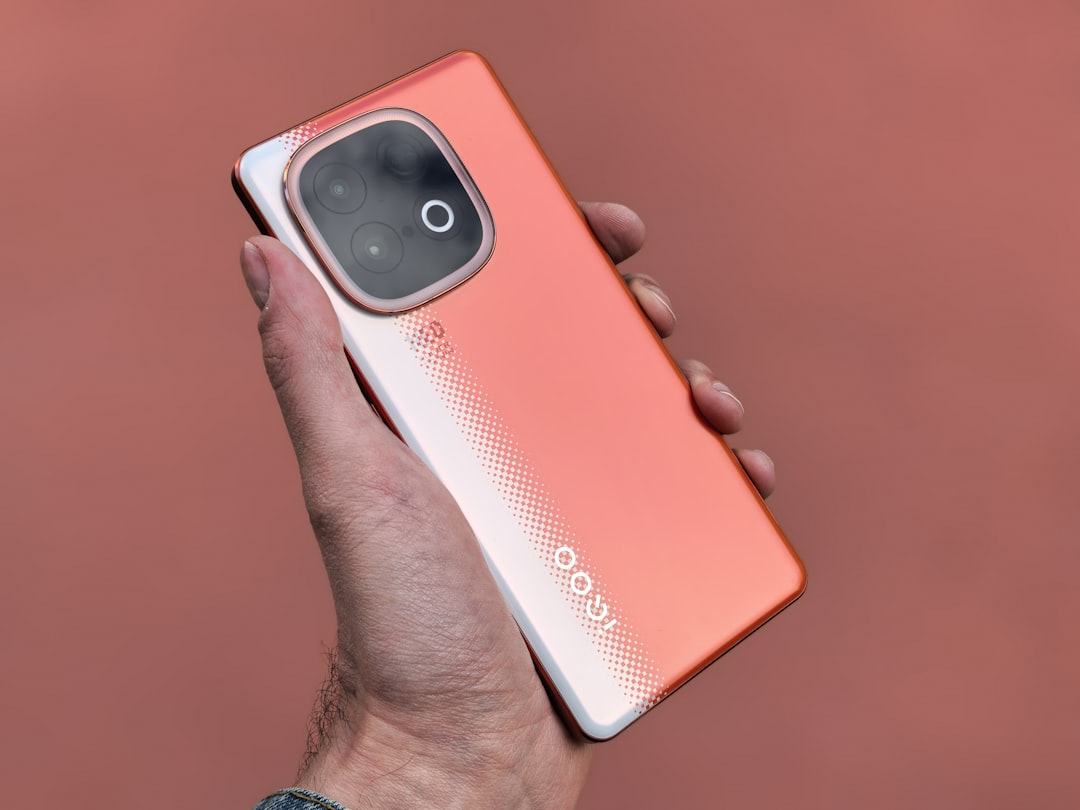
Based on official renders, the 15R looks genuinely compact. Not iPhone 13 mini compact, but definitely smaller than the standard iQOO 15 series. The company claims it's designed for "effortless one-handed use" — marketing speak that actually matters if you're commuting on packed Delhi Metro trains daily.
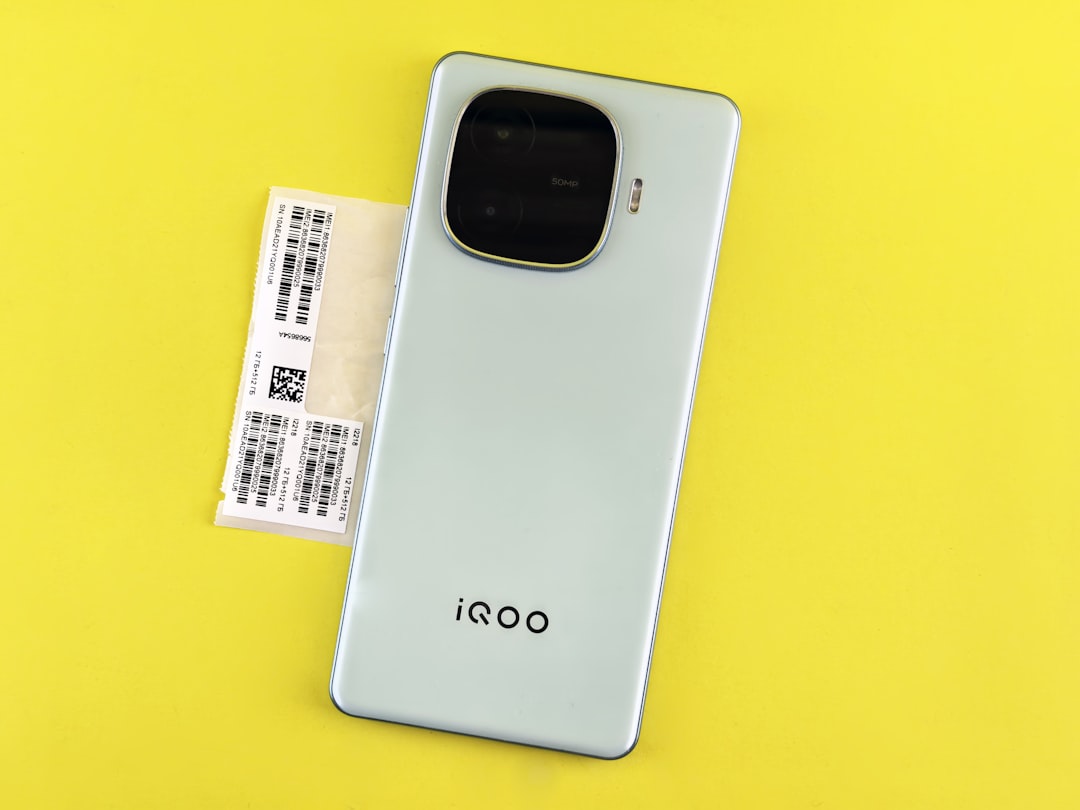
The build appears premium enough. Glass back, metal frame, the usual iQOO design language with those angular camera bumps. What's interesting is the thickness — official specs suggest it's under 8mm despite packing what they claim is flagship-grade internals.
But here's my concern. Compact phones face a fundamental problem in India. Our usage patterns are different. We game for hours, we video call family across the country, we stream content constantly. All of that demands battery life and thermal management that compact phones traditionally struggle with.
The 15R's build quality will face the usual Indian tests — Bengaluru's unpredictable rains, Delhi's dust storms, Mumbai's humidity. iQOO phones generally handle these well, but smaller phones have less internal space for proper sealing and heat dissipation.
Performance: Flagship Chip in Compact Body
iQOO claims the 15R packs flagship-grade performance. Without confirmed chipset details yet, this likely means either Snapdragon 8 Gen 3 or MediaTek Dimensity 9400. Either way, that's serious processing power in a compact form factor.
The performance promise sounds impressive on paper. Gaming at high settings, smooth multitasking, fast app launches — all the usual flagship benefits. But cramming high-performance silicon into a smaller chassis creates thermal challenges that can't be solved with marketing.
For Indian users, this performance discussion isn't just about benchmarks. It's about whether the phone can handle 2-3 hours of BGMI without throttling, whether it stays cool during video calls in 40°C summer afternoons, whether the 5G modem supports India's n78 bands without overheating.
My honest assessment? Compact flagships work when companies accept compromises. Apple throttles the iPhone 13 mini aggressively to maintain thermals. Sony's compact Xperias heat up but they're transparent about it. The question is whether iQOO will be similarly honest or oversell the capabilities.
Camera System: Numbers vs Reality
Official camera specs aren't fully confirmed yet, but iQOO typically doesn't compromise heavily on photography. Expect a triple camera setup with at least 50MP primary sensor, ultrawide, and macro or depth sensor.
The compact form factor might actually benefit the camera system. Smaller phones are easier to stabilize for photos, and iQOO's computational photography has improved significantly over the past two years. Their night mode performs well in Indian lighting conditions — those dim streetlights and neon-heavy market areas.
What I'm curious about is video recording. Compact phones generate more heat during extended video recording, and Indian users love shooting long family videos during festivals and celebrations. The 15R's thermal management will be tested heavily here.
Camera performance in compact phones comes down to software optimization more than hardware. If iQOO has tuned the image processing to work efficiently with the smaller thermal envelope, this could work. If they've just crammed desktop-grade processing into a compact body, expect thermal shutdowns during extended photo sessions.
Battery Life: The Compact Phone Challenge
This is where compact flagships typically fail in India. Our usage patterns are brutal — 8-10 hour work days with constant notifications, gaming during commutes, video streaming in the evening, late-night social media scrolling. Compact phones rarely survive a full Indian day.
iQOO hasn't confirmed battery capacity yet, but physics suggests it'll be smaller than their regular flagships. Fast charging might compensate — iQOO's charging speeds are genuinely fast, often hitting 120W or higher. But fast charging also generates heat, which brings us back to the thermal management challenge.
For young professionals — iQOO's target audience — battery anxiety is real. Missing important calls because your phone died during a client presentation isn't acceptable. The 15R needs to prove it can handle a full workday plus evening entertainment without compromise.
compact phones with small batteries age poorly. After 18-24 months of heavy Indian usage, that smaller battery capacity becomes even more limiting. It's a concern worth considering for anyone planning to keep this phone beyond the initial excitement period.
India Pricing and Competition
Expected pricing around ₹28,000 puts the 15R in a highly competitive segment. That's OnePlus Nord 4 territory, Nothing Phone (2a) Plus pricing, and close to some Xiaomi flagships during sales.
At ₹28K, Indian buyers expect specific things — solid build quality, reliable performance, good cameras, and most importantly, value for money. The compact form factor might justify a slight premium, but not if it compromises core functionality.
OnePlus Nord 4 at similar pricing offers proven reliability and strong community support. Nothing Phone (2a) Plus brings unique design and solid performance. Xiaomi's options in this range often include flagship chips at aggressive pricing. The 15R needs to offer something these established players don't.
The compact angle could be its differentiator. There genuinely aren't many good compact Android flagships in India right now. But "compact" only matters if everything else works as promised. Indian buyers won't accept compromises just for smaller size.
| Specification | iQOO 15R (Expected) |
|---|---|
| Display | 6.1-inch AMOLED, 120Hz |
| Chipset | Flagship-grade (TBC) |
| RAM | 8GB/12GB LPDDR5 |
| Storage | 128GB/256GB UFS 3.1 |
| Camera | Triple setup with 50MP primary |
| Battery | Compact capacity with fast charging |
| 5G | India bands supported |
| Price | ₹28,000 (expected) |
Who Should Buy (And Who Shouldn't)
The 15R makes sense for specific users. Young professionals who prioritize portability over battery life. People with smaller hands who struggle with 6.7-inch flagships. Users who want flagship performance but don't want to carry a brick in their pocket.
It doesn't make sense if you're a heavy user. Gaming enthusiasts who play for hours daily. People who work remotely and need all-day battery life. Anyone who prefers bigger screens for media consumption. Users who want maximum value for money without size constraints.
The target audience — young professionals — is interesting. These are people who value aesthetics and convenience but also need reliable performance. They might accept some battery life compromise for better portability. They're willing to charge more frequently if the phone looks good and works smoothly.
But here's my honest concern. Young professionals in India often become heavy users once they get comfortable with a phone. That initial "I just need calls and basic apps" attitude quickly evolves into heavy gaming, video streaming, and productivity usage. The 15R needs to grow with these changing usage patterns.
Competition Analysis
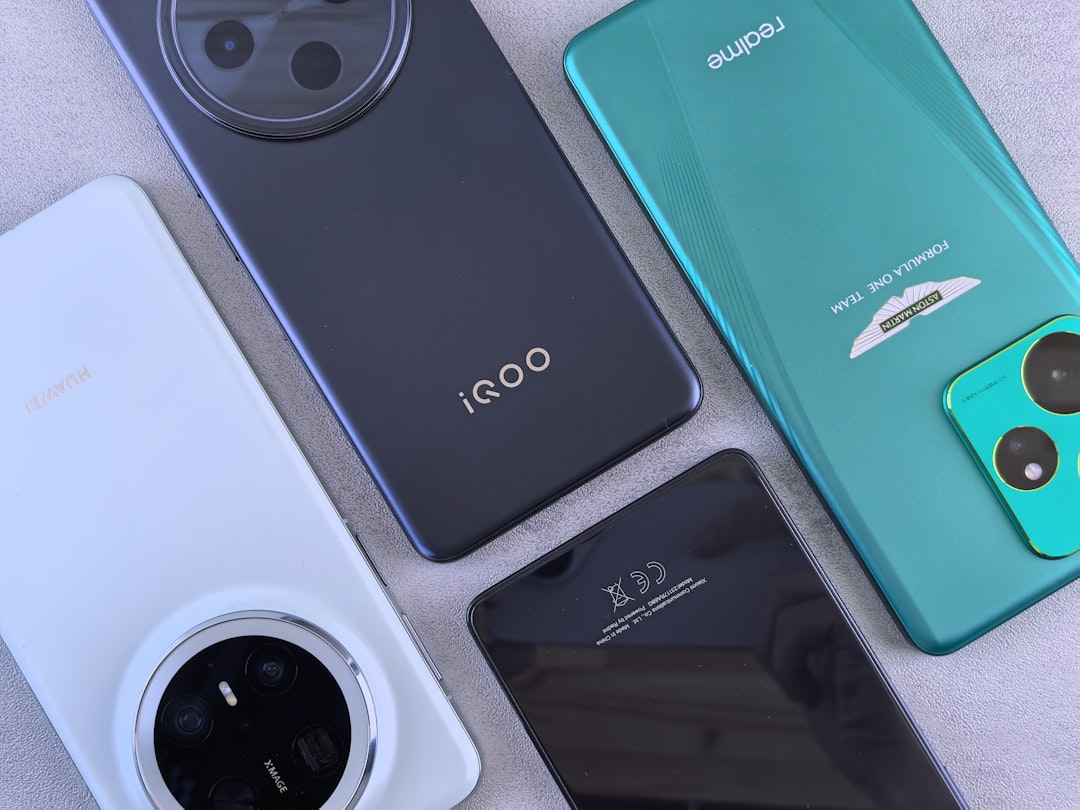
The ₹28K segment in India is brutal. OnePlus Nord 4 offers proven performance and strong brand loyalty. Nothing Phone (2a) Plus brings unique design and solid specs. Realme GT series phones often provide flagship chips at aggressive pricing during sales.
What none of these offer is genuinely compact flagship experience. They're all 6.5-inch plus phones with standard flagship proportions. If iQOO executes the compact concept properly, they could own this niche.
The risk is that "compact flagship" might be a niche that doesn't exist in India. Our market has consistently preferred bigger screens, longer battery life, and maximum value over portability. Apple's iPhone mini struggle in India proves that compact doesn't automatically mean desirable.
You can Compare phones on The Tech Bharat to see how the 15R stacks against current options once official specs arrive.
| Pros | Cons |
|---|---|
| Genuinely compact flagship option | Smaller battery capacity expected |
| One-handed usability focus | Thermal management concerns |
| Expected competitive pricing | Unproven 'R' series positioning |
| iQOO's reliable build quality | Limited storage options likely |
| Good timing for festive season | Niche appeal might limit sales |
Vijay's Take: Cautiously Optimistic
I want the 15R to succeed. India needs more diversity in flagship options, and compact phones serve a real need. But the execution will determine everything.
iQOO has the technical capability to pull this off. Their thermal management is generally good, their software optimization has improved, and they understand Indian market pricing. The question is whether they've been realistic about the compromises compact flagships require.
My prediction? The 15R will likely be a good phone that struggles to find its audience. Compact flagship enthusiasts will love it, but they're a small group in India. Mainstream users will probably stick with tried-and-tested options that offer bigger screens and batteries at similar prices.
The success will depend on pricing discipline and honest marketing. If iQOO prices it aggressively and clearly communicates both benefits and limitations, it could work. If they oversell the compact flagship concept without acknowledging real-world compromises, it'll be another niche product that fails to gain traction.
What To Watch For Next
Official launch timeline and confirmed specifications will tell us everything. Battery capacity numbers, confirmed chipset, actual dimensions, and most importantly, real-world pricing including launch offers and EMI options.
The thermal performance during extended usage will be crucial. iQOO needs to demonstrate that this phone can handle typical Indian usage patterns without significant throttling or heating issues.
Market response will be interesting to observe. Will Indian buyers embrace a compact flagship, or will they stick with established bigger-is-better preferences? Early sales numbers and user reviews will provide that answer quickly.
the software support commitment will matter. Compact phones need to age well through software updates since users can't rely on raw specs longevity. iQOO's update track record will be tested here.
Frequently Asked Questions
What is the India price?
Expected pricing around ₹28,000 for the base variant, though official pricing hasn't been confirmed yet.
When will it launch in India?
Official India launch timeline hasn't been announced, but expect it within the next few weeks given the festive season timing.
Is it worth buying?
If you specifically want a compact flagship and accept potential battery life compromises, yes. For heavy users who prioritize screen size and battery life, probably not worth the trade-offs.
Pre-Launch Analysis: This article is based on official announcements and confirmed specifications. India pricing and availability are estimates until official launch.