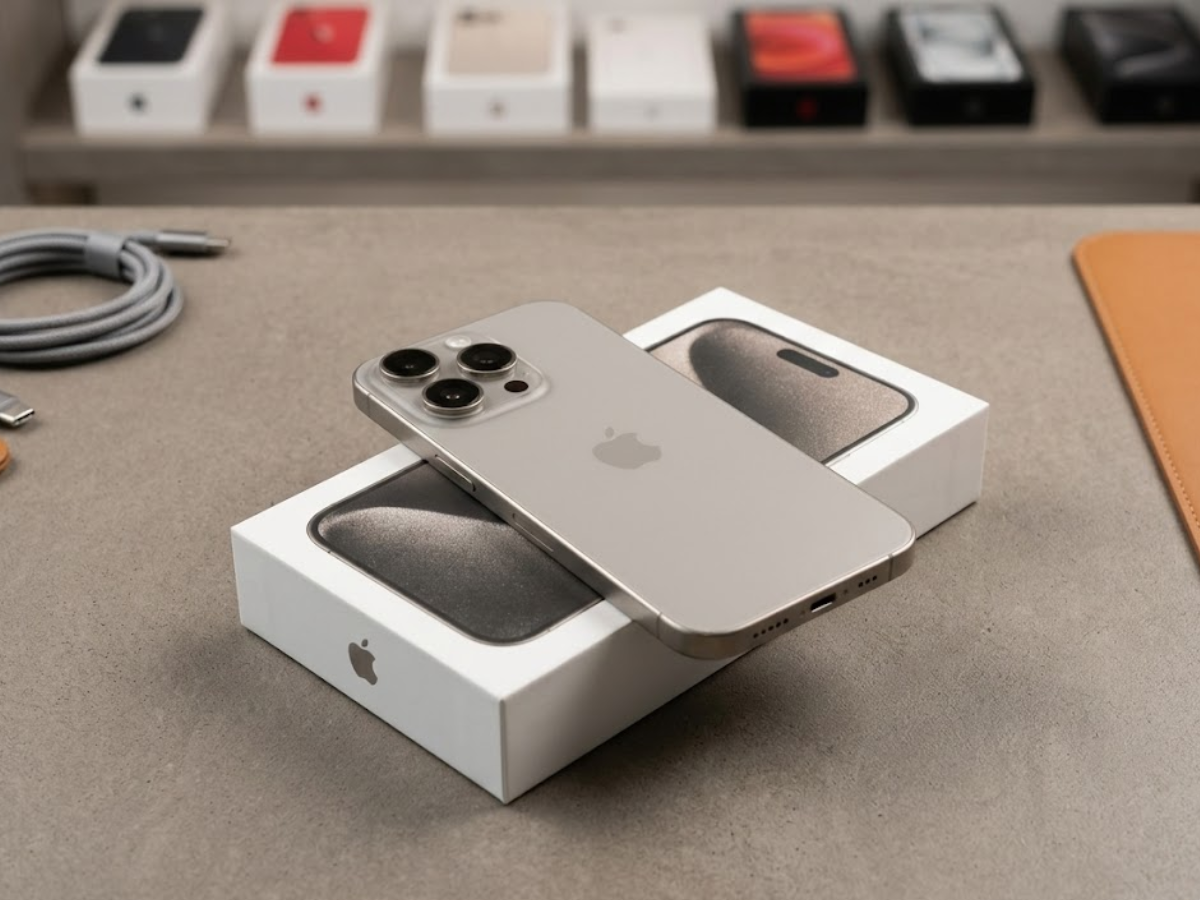

The Huawei Mate 80 Pro hasn't launched in India yet. Here's what official announcements tell us.
Huawei just did something it hasn't attempted in years — released a flagship phone globally from day one. Well, sort of. The Mate 80 Pro is rolling out gradually, starting with Malaysia, and that's honestly more global availability than we've seen from Huawei since the trade ban mess began.
But here's the thing — is this actually the comeback story Indian buyers have been waiting for? Or just Huawei testing the waters before a bigger push?
Design That Plays It Safe
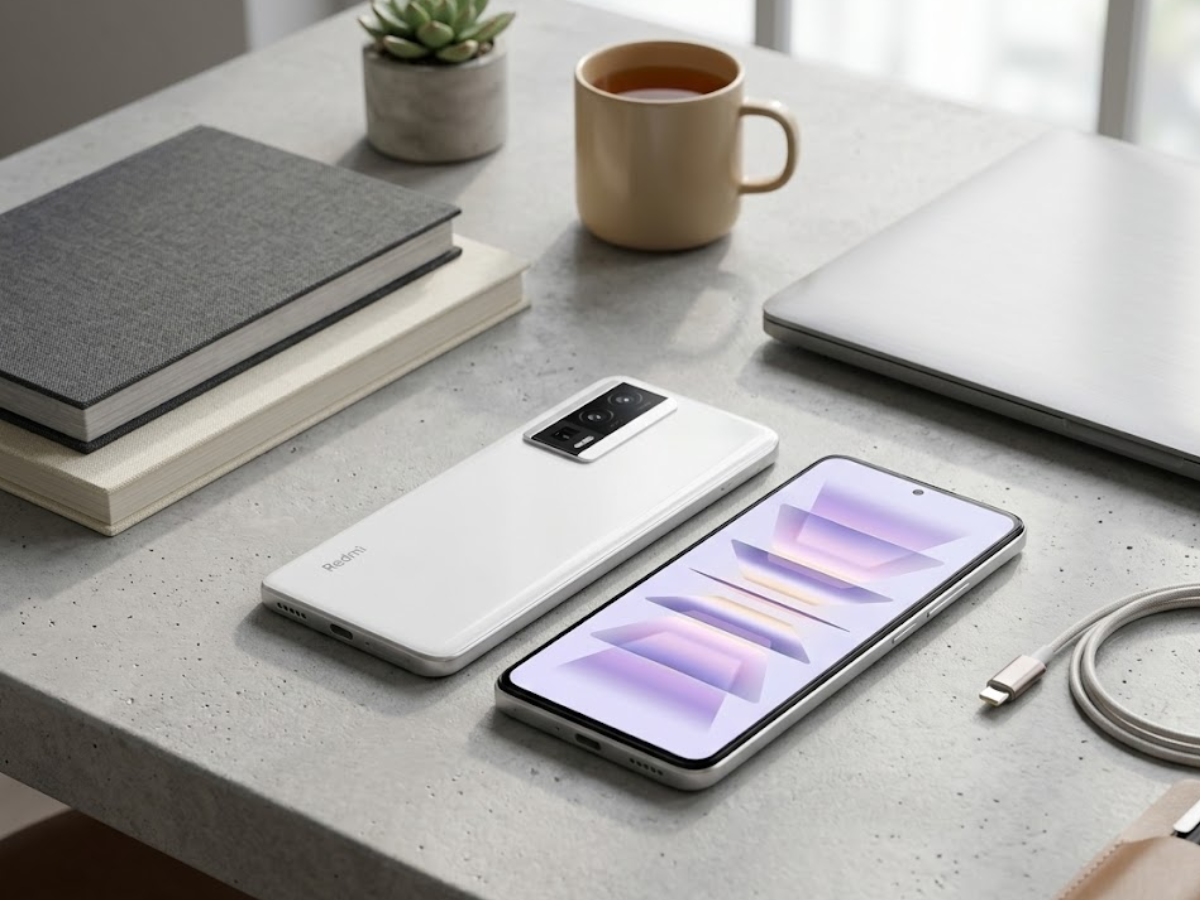
The Mate 80 Pro looks exactly like what you'd expect from a 2026 Huawei flagship. Premium materials, curved display, that distinctive camera island they've been refining for years. It's not groundbreaking. But it doesn't need to be.
The 6.9-inch curved OLED dominates the front, with minimal bezels and that satisfying premium feel Huawei has always nailed. IP68 rating handles Indian monsoons without breaking a sweat. The build quality, based on official materials and early international hands-on coverage, maintains Huawei's reputation for solid construction.
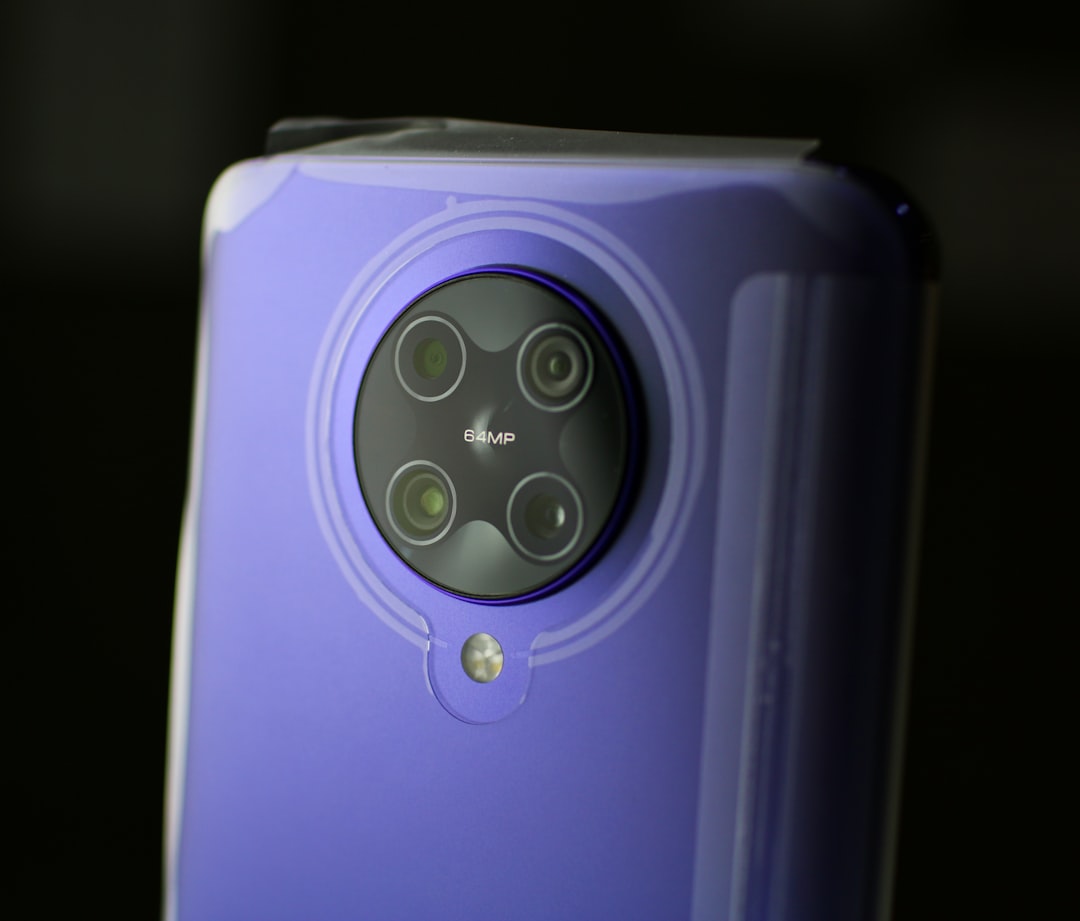
Three color options: Space Black, Pearl White, and a new Midnight Green that looks genuinely premium in renders. The camera bump is substantial — housing what Huawei claims is their most advanced camera system yet.
Display and Performance Reality Check
That 6.9-inch OLED pushes 2800×1260 resolution with adaptive 120Hz. Numbers look good on paper. The real question? How does it handle Delhi's summer heat while running intensive tasks.
Huawei's new Kirin 9100 chipset powers everything. Built on 3nm process, it promises flagship-level performance while managing thermals better than previous Kirin chips. But honestly? We need real-world testing to see if it can genuinely compete with Snapdragon 8 Gen 4 or Apple's A19 Pro in sustained gaming sessions.
12GB RAM across all variants, with 256GB, 512GB, and 1TB storage options. No microSD expansion — typical flagship limitation. The 5G support includes n77 and n78 bands crucial for India, which is encouraging for the eventual local launch.
My honest assessment? The specs look competitive, but Huawei needs to prove this chip can handle Indian usage patterns — heavy multitasking, gaming during commutes, video calls in 40-degree heat.
Camera System: The Make-or-Break Feature
Huawei built its flagship reputation on cameras. The Mate 80 Pro continues that tradition with a triple-camera setup that looks impressive on paper.
The main 50MP sensor uses Huawei's latest RYYB technology for better low-light capture. The 48MP ultrawide handles group shots and landscapes, while the 48MP telephoto offers 3.5x optical zoom. Front-facing camera is a solid 32MP for video calls and selfies.
Based on official sample images, the computational photography looks refined — especially night mode and portrait shots. But Indian buyers know camera performance varies dramatically between controlled samples and real-world usage in challenging lighting conditions.
Video recording maxes out at 4K 60fps with solid stabilization. The AI photography features have been upgraded, though without hands-on testing, it's hard to judge how well they work compared to iPhone 16 Pro or More Samsung news on The Tech Bharat Galaxy S26 Ultra.
Battery Life and Charging Speed
The 5,100mAh battery should easily handle a full day of heavy usage. That's not massive by 2026 standards, but it's reasonable for a flagship focused on efficiency rather than raw capacity.
100W wired charging gets you from 0-100% in approximately 35 minutes — genuinely fast charging that actually matters for Indian users juggling power cuts and long commutes. 50W wireless charging is solid for overnight charging, though most Indian buyers will stick with wired.
The real test? How this battery holds up during peak summer months when phones naturally drain faster due to heat. Huawei claims improved thermal management, but we need independent verification.
The Ecosystem Problem That Won't Go Away
Let's address the elephant in the room. HarmonyOS NEXT still doesn't include Google services. No Gmail, YouTube, Google Maps, or Play Store access out of the box.
Huawei's AppGallery has improved significantly, and you can sideload Google apps with some technical knowledge. But for most Indian buyers, this creates a genuine usability barrier that competitors simply don't have.
The question becomes: is the hardware compelling enough to overcome software limitations? For tech enthusiasts, maybe. For mainstream buyers expecting smooth Google integration, probably not.
India Pricing: The ₹80,000 Question
Based on Malaysia pricing conversion and typical India import duties, expect the Mate 80 Pro to launch around ₹78,000-82,000 for the base 256GB variant. That puts it directly against established flagships.
| Phone | Price (₹) | Key Advantage |
|---|---|---|
| Huawei Mate 80 Pro | 80,000 (expected) | Camera system, build quality |
| iPhone 16 Pro | 79,900 | Complete ecosystem, resale value |
| Galaxy S26 | 74,999 | S Pen, established service network |
| OnePlus 13 Pro | 69,999 | OxygenOS, faster charging |
At ₹80K, the Mate 80 Pro faces serious competition. The iPhone offers smooth ecosystem integration and better resale value. Samsung provides established service support across India. OnePlus delivers similar specs at lower pricing.
Huawei's value proposition? Premium build quality, potentially superior camera performance, and the appeal of owning something genuinely different in the Indian market.
Specs Breakdown
| Specification | Details |
|---|---|
| Display | 6.9-inch OLED, 2800×1260, 120Hz adaptive |
| Processor | Kirin 9100 (3nm) |
| RAM/Storage | 12GB / 256GB, 512GB, 1TB |
| Main Camera | 50MP RYYB + 48MP ultrawide + 48MP telephoto |
| Front Camera | 32MP |
| Battery | 5,100mAh with 100W fast charging |
| OS | HarmonyOS NEXT |
| 5G Bands | n77, n78 (India compatible) |
Who Should Consider This Phone
The Mate 80 Pro makes sense for specific buyers. Photography enthusiasts who prioritize camera quality over app ecosystem convenience. Business users who can work around Google services limitations. Tech collectors who want something unique in their social circle.
It doesn't make sense for mainstream buyers expecting plug-and-play Google integration. Students relying heavily on Google Workspace. Anyone prioritizing resale value or extensive service network coverage.
This feels like Huawei testing market appetite before a bigger India push. The hardware is competitive, but the software ecosystem remains a genuine barrier for mass adoption.
Pros and Cons
| Pros | Cons |
|---|---|
| Premium build quality and design | No native Google services |
| Impressive camera system on paper | Limited app ecosystem |
| Fast 100W charging | Uncertain service support in India |
| 5G bands compatible with Indian networks | High pricing against established competitors |
| Unique option in saturated market | Unknown long-term software support |
Vijay's Take: Promising Hardware, Practical Concerns
The Mate 80 Pro represents Huawei's most serious attempt at global relevance since the trade restrictions began. The hardware looks genuinely competitive — that camera system could be special, the build quality will likely be excellent, and the performance should match flagship expectations.
But two concerns persist. First, the ecosystem limitation isn't just about missing apps — it's about the friction of daily usage for buyers accustomed to smooth Google integration. Second, service support infrastructure in India remains questionable for a brand that's been absent from the market.
My honest prediction? This phone will find its audience among photography enthusiasts and Huawei loyalists, but won't significantly dent market share currently dominated by Samsung, Apple, and Chinese brands with established Google partnerships.
The real test comes when Huawei officially launches in India. If they can price it competitively, establish proper service centers, and maybe find workarounds for Google services integration, the Mate 80 Pro could surprise everyone. Until then, it remains an interesting option for buyers willing to compromise convenience for uniqueness.
Should you wait for the India launch? If you're genuinely interested in Huawei's camera technology and can handle ecosystem limitations, yes. If you want a flagship that just works without technical workarounds, stick with established alternatives that are Compare phones on The Tech Bharat already available.
Frequently Asked Questions
What is the India price?
Expected around ₹78,000-82,000 based on Malaysia pricing and typical import duties, though official India pricing hasn't been announced yet.
When will it launch in India?
No official India launch timeline announced. Based on the gradual global rollout pattern, expect late 2026 or early 2027 if Huawei decides to enter the Indian market.
Is it worth buying?
Only if you prioritize camera quality and unique hardware over ecosystem convenience. The lack of native Google services remains a significant limitation for most Indian users.
Pre-Launch Analysis: This article is based on official announcements and confirmed specifications. India pricing and availability are estimates until official launch.