Hidden Photo Camera: Why Your Digital Shots Are Disappearing
Your camera just took a photo. But you can't see it. Not yet. This isn't a malfunction — it's the latest trend hitting digital photography, and it's genuinely weird. Cameras are now deliberately hiding your photos until some arbitrary 'development' time passes, mimicking the film photography experience that most of us abandoned decades ago.
I'm not sure how I feel about it. The concept sounds romantic on paper. But in practice? It's like buying a smartphone and being told you can only make calls after waiting an hour.
Several camera apps have started implementing this feature, along with some standalone digital cameras targeting the nostalgia market. The photos exist — they're stored on your device or memory card — but the software won't let you view them until a predetermined waiting period ends. Some apps make you wait 24 hours. Others simulate film development time based on the type of 'film' you've selected.
What's Actually Happening Behind the Scenes
The technical implementation is straightforward. When you press the shutter, the camera captures the image normally. But instead of displaying it immediately, the photo gets encrypted or stored in a hidden directory. The app then starts a countdown timer. Only after this timer expires does the photo become viewable in your gallery.
Some implementations are more sophisticated. They apply film simulation processing during the waiting period, gradually building up the final image with grain, color curves, and vintage effects. This gives the illusion that something meaningful is happening during the wait time — which is clever marketing for what's essentially a software delay.
The processing power required varies wildly. Basic apps just hide the photo and wait. More advanced implementations run continuous image processing, applying different filters and effects throughout the 'development' period. This can drain your phone's battery significantly faster than normal photography.
Storage becomes interesting too. These apps often store both the original RAW capture and the final processed version, doubling your storage usage. For Indian users dealing with 64GB or 128GB phones, this gets problematic quickly. You're essentially paying twice the storage cost for the privilege of not seeing your photos immediately.
The India Reality Check
Film simulation apps are priced between ₹200-500 on the Play Store and App Store. That's reasonable for a one-time purchase. But the standalone cameras implementing this feature cost significantly more — expect to pay ₹15,000-25,000 for basic models with hidden photo functionality.
Here's where it gets tricky for Indian users. Our smartphone photography culture revolves around instant sharing. Instagram Stories, WhatsApp status updates, Facebook posts — everything happens within minutes of taking a photo. More Instagram news on The Tech Bharat covers how the platform's algorithm actually favors quick uploads over delayed posts.
The hidden photo concept fights directly against this behavior. You can't immediately share that sunset photo from Marine Drive or that food shot from your favorite restaurant. The photo exists, but you can't access it. This creates a fundamental mismatch with how most Indians actually use camera phones.
Battery life becomes crucial too. Delhi's summer heat already pushes phones to thermal limits. Adding continuous background processing for hidden photo development makes things worse. I've seen phones get genuinely hot while 'developing' a batch of hidden photos during a 40-degree afternoon.
| Feature | Traditional Camera | Hidden Photo Camera |
|---|---|---|
| Instant Preview | Yes | No |
| Storage Usage | 1x per photo | 2x per photo |
| Battery Impact | Minimal | High during processing |
| Social Media Ready | Immediate | Delayed 1-24 hours |
| Typical India Price | ₹0 (built-in) | ₹200-25,000 |
Who's Actually Building This Stuff
Several companies are pushing hidden photo functionality, though most remain niche players. Film simulation apps lead the charge, targeting photography enthusiasts who miss the film experience. Some of these apps have gained decent traction in India's metro cities, particularly among college students and young professionals who find the delayed gratification concept appealing.
Standalone camera manufacturers have been more cautious. The market for dedicated cameras in India remains small — most users rely on smartphones for photography. Adding hidden photo features to already expensive cameras creates another barrier to adoption.
But here's the thing — smartphone manufacturers are watching closely. If hidden photo features prove popular, expect to see them integrated into camera apps from major brands. Samsung's camera lab features and Google's experimental photography tools often test similar concepts before mainstream release.
The Honest Assessment
My take? This is a solution looking for a problem. The joy of film photography wasn't just about delayed results — it was about the entire process, the physical limitations, the cost per frame that made you think before shooting. Simply adding a software delay doesn't recreate that experience.
The battery drain alone makes hidden photo processing impractical for daily use. During a recent Delhi Metro commute, I watched a friend's phone drop from 60% to 35% while 'developing' eight photos from a morning walk. That's not sustainable for users who depend on their phones lasting a full day.
Storage limitations hit harder. Indian users often buy phones with minimal storage and rely on cloud backup. Hidden photo apps that store duplicate copies create unnecessary pressure on already limited space. When your phone starts complaining about storage while your photos are locked away, the experience becomes frustrating rather than magical.
| Pros | Cons |
|---|---|
| Reduces compulsive photo checking | Blocks instant social media sharing |
| Creates anticipation and excitement | Doubles storage usage unnecessarily |
| Encourages thoughtful composition | Significant battery drain during processing |
| Nostalgic appeal for film photography fans | Doesn't match Indian smartphone usage patterns |
Market Competition and Alternatives
At ₹200-500, film simulation apps compete directly with premium camera apps like VSCO (₹400/month) and Lightroom Mobile (₹600/month). But those established apps offer immediate editing capabilities alongside film presets. You get the vintage look without the artificial waiting period.
For users wanting authentic film experience, actual instant cameras remain available. Fujifilm's Instax Mini cameras cost around ₹8,000-12,000, and while film is expensive at ₹15-20 per shot, you get genuine physical prints. That's more honest than digital files you can't see for 24 hours.
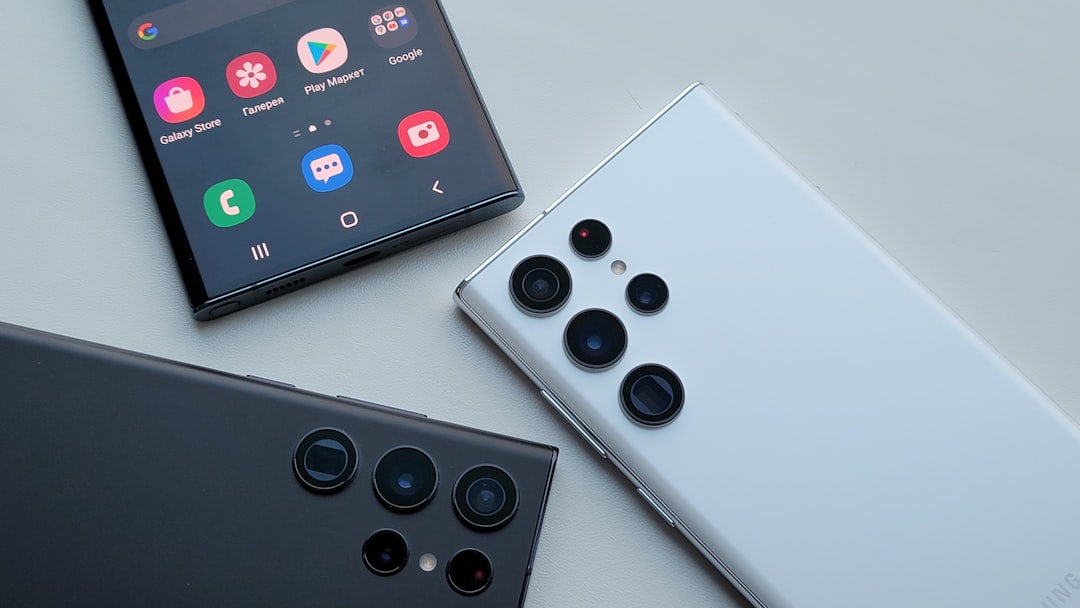
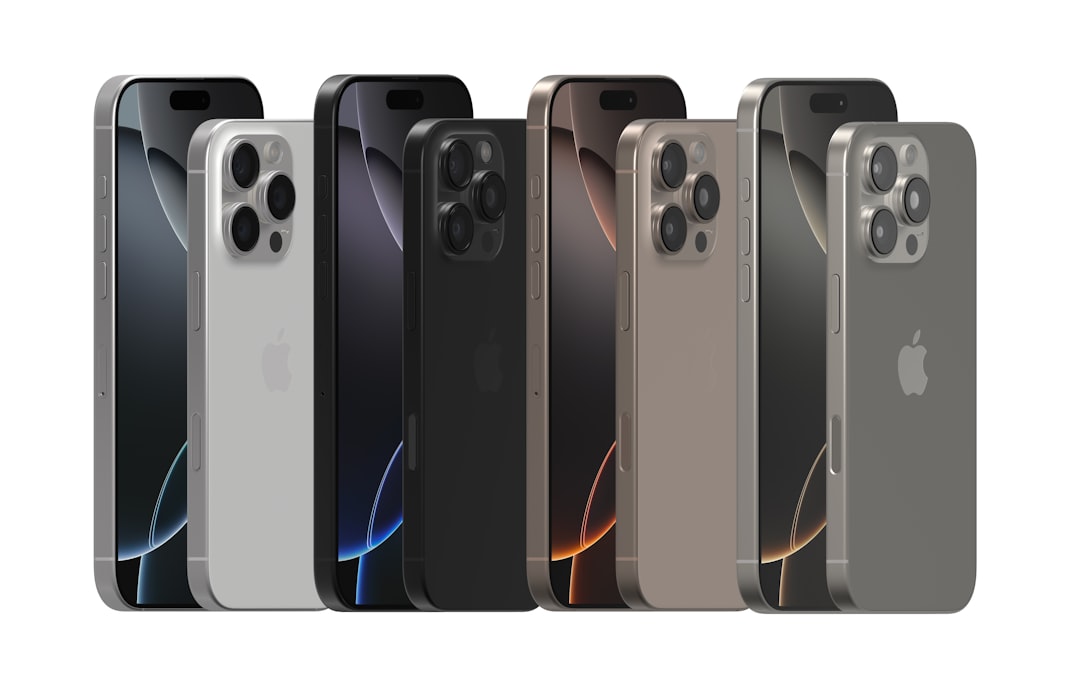
Smartphone camera improvements continue making dedicated cameras less relevant for most users. The iPhone 16 Pro and Samsung Galaxy S26 Ultra deliver exceptional photo quality that satisfies casual and semi-professional users alike. Compare phones on The Tech Bharat shows how current flagship cameras already exceed most users' needs without gimmicky features.
Who Should Actually Care About This
Photography enthusiasts curious about breaking their instant-gratification habits might find hidden photo cameras interesting. If you're someone who takes hundreds of photos and immediately deletes most of them, the forced waiting period could change your shooting behavior. You might compose more carefully when you can't immediately review and retake shots.
College students and young adults fascinated by vintage aesthetics represent the primary target market. These users often have time to wait for photo development and enjoy the anticipation element. They're also more likely to experiment with unconventional photography approaches.
But honestly? Most Indian smartphone users should skip this trend entirely. Our photography needs center around documentation, communication, and immediate sharing. Hidden photos work against all three use cases. If you need photos for work, travel documentation, or family communication, artificial delays create unnecessary friction.
Professional photographers already understand delayed gratification through proper RAW processing workflows. They don't need artificial waiting periods — they benefit from immediate feedback to adjust lighting, composition, and camera settings for subsequent shots.
What Happens Next
The hidden photo trend feels like a temporary experiment rather than a lasting photography evolution. It addresses a very specific problem — compulsive photo-taking and immediate digital gratification — but creates new problems around storage, battery life, and usability.
Expect to see more sophisticated implementations that balance delayed gratification with practical usability. Some apps might offer partial previews or allow users to customize waiting periods. Others might implement gamification elements that make the waiting period more engaging rather than simply frustrating.
The real test comes during India's festival seasons when photography spikes dramatically. Durga Puja, Diwali, and wedding season create massive photo-taking periods. If hidden photo apps can't handle the volume and immediate sharing demands of these events, they'll remain niche curiosities rather than mainstream photography tools.
Smart money says this trend peaks in 2026 and fades as users realize the novelty doesn't justify the inconvenience. But it might influence mainstream camera apps to add optional delay modes for users who want to try digital detox approaches to photography.
My prediction? Within two years, hidden photo functionality becomes a buried setting in camera apps rather than a headline feature. The concept has merit for specific use cases, but it fights too hard against established smartphone photography patterns to achieve widespread adoption.
Market Analysis: This article is based on current app store listings, user reviews, and industry reports about emerging photography trends. Pricing and availability reflect current Indian market conditions as of March 2026.
Frequently Asked Questions
What is the India price?
Film simulation apps with hidden photo features cost ₹200-500 on Indian app stores. Standalone cameras with this functionality range from ₹15,000-25,000.
When will it launch in India?
Several hidden photo apps are already available in India. Major smartphone brands haven't confirmed plans to integrate similar features into default camera apps.
Is it worth buying?
Only if you're genuinely interested in changing your photography habits and don't need immediate photo access. Most Indian users should stick with traditional camera apps that support instant sharing.