
Oppo's ₹100M Component Crisis: Global Push or India Exit?
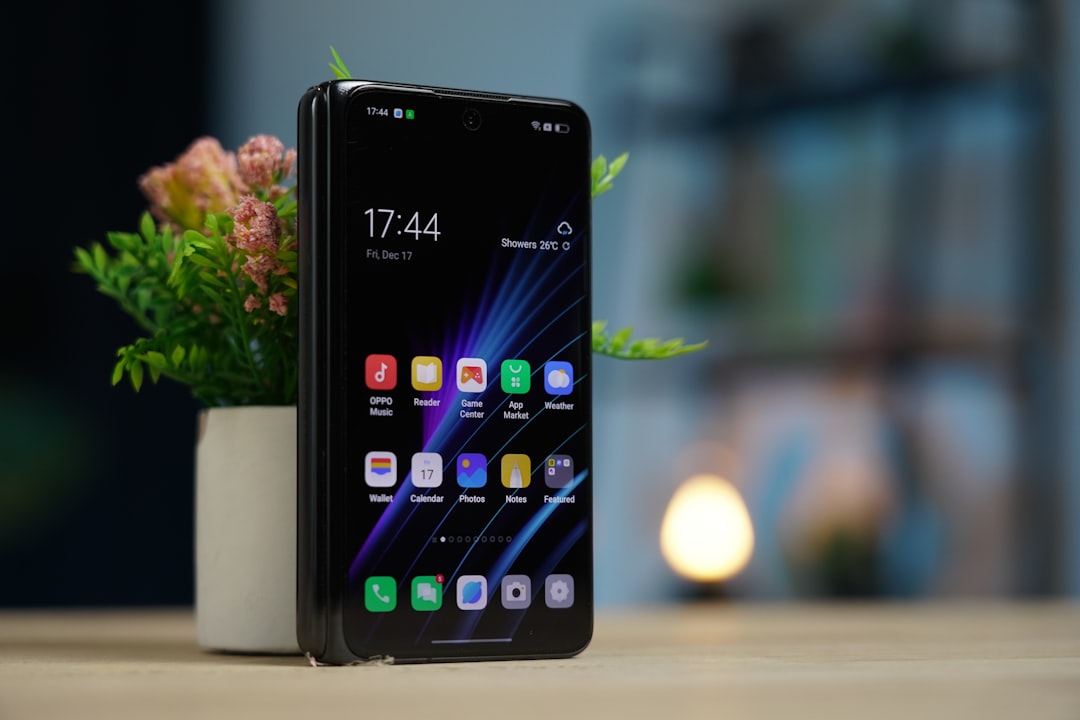
- ✓Component costs rising fast
- ✓Premium push, budget exit
- ✓Bad news for India buyers
Oppo just confirmed it's battling rising memory and component costs after hitting 100 million annual shipments globally. The Chinese brand is banking on premium phones and international expansion to survive the squeeze. But here's what this actually means for Indian buyers expecting affordable Oppo phones.
Key Highlights
- 1100 million annual shipments hit, but component costs rising fast
- 2Premium phone push could mean ₹50K+ Oppo phones in India soon
- 3Memory shortage forcing tough procurement decisions company-wide
- 4Direct challenge to Xiaomi's value-focused India strategy
- 5My take: This signals Oppo might abandon budget segment entirely
Oppo's hitting component cost walls. Hard.
The Chinese smartphone maker just confirmed it's deploying what they're calling "procurement, product, and market strategies" to handle rising memory and component costs after reaching 100 million annual shipments. Translation? They're scrambling to keep profits alive while phone parts get more expensive every quarter.
And honestly, this explains a lot about Oppo's recent moves in India.
What Oppo Actually Said About the Crisis
Component costs aren't just rising — they're spiking. Memory prices specifically have Oppo worried enough to publicly discuss strategy shifts, which Chinese brands rarely do unless things are really tight.
The company's solution involves three fronts. First, they're renegotiating supplier contracts and diversifying component sources to reduce per-unit costs. Second, they're pushing harder into premium segments where higher margins can absorb component price increases. Third, global expansion into markets where they can charge more per phone.
Sounds reasonable. But here's the thing — this strategy directly conflicts with India's price-sensitive market expectations.
Look, Oppo built its Indian presence on sub-₹25K phones that offered decent cameras and flashy designs. If component costs force them upmarket, where does that leave the Oppo A-series phones that actually sell in India? My honest assessment: they're probably getting axed or severely limited.
The India Math Doesn't Add Up
Let's talk numbers. Oppo's current bestsellers in India — the A78 5G at ₹18,999 and F23 5G at ₹24,999 — operate on thin margins already. More OPPO news on The Tech Bharat shows consistent pricing pressure in these segments.
If memory costs jump another 15-20% this year (which industry sources suggest they will), Oppo has three choices for Indian market phones:
- Absorb the cost increase and accept lower profits
- Raise prices and lose market share to Xiaomi/Realme
- Exit the budget segment entirely
Personally, I think they're picking option three. The premium push isn't just about global expansion — it's about survival in markets where they can actually make money.
Fair enough from a business perspective. But it leaves millions of Indian buyers who associated Oppo with affordable camera phones looking elsewhere. Which is exactly what Xiaomi and Samsung are hoping for.
Global Expansion: Smart Move or Desperate Scramble?
Oppo's talking about expanding into markets where component cost pressures matter less. Think Europe, where consumers pay ₹60K+ for phones without blinking. Or premium segments in Southeast Asia where brand perception matters more than raw value.
The thing is, this isn't really expansion — it's retreat. Oppo built its 100 million shipment volume on affordable phones in price-sensitive markets like India. Now they're admitting that business model doesn't work anymore when component suppliers squeeze margins.
Is this sustainable though? European markets are dominated by Apple and Samsung already. Southeast Asia has plenty of local competition. Oppo's betting they can win premium customers with camera features and design, but that's much harder than competing on price.
My take: this sounds like a company that's lost its original competitive advantage and isn't sure what comes next.
What This Actually Means for Indian Buyers
Short term? Expect Oppo's budget phone lineup to shrink fast. The A-series will probably get fewer models, higher prices, or both. Mid-range F-series phones might jump from ₹25K to ₹35K territory to maintain margins.
Medium term? Oppo India might look completely different by early 2027. Compare phones on The Tech Bharat already shows Oppo losing ground to Realme and iQOO in value segments. Component cost pressures will accelerate that trend.
But here's what's genuinely frustrating — Oppo makes solid hardware when they want to. The Find X6 Pro was genuinely impressive last year. The Reno series cameras are really really good for the price. They're just choosing to compete in segments where those strengths matter less than pure affordability.
If you've been waiting for an Oppo phone under ₹20K, honestly? Start looking at alternatives now. Xiaomi's Redmi Note series, Samsung's M-series, even Realme's numbered series offer better long-term value prospects at this point.
The Bigger Picture: Chinese Brands Under Pressure
Oppo isn't alone in this component cost crisis. Vivo, Realme, and even Xiaomi are dealing with the same supplier squeeze. But their responses reveal different priorities and market confidence levels.
Xiaomi's doubling down on value engineering — finding ways to maintain low prices despite rising costs. Realme's pushing harder into performance segments where they can justify higher margins. OnePlus is leaning into its premium positioning completely.
And Oppo? They're basically admitting they can't compete on value anymore and hoping premium positioning works instead. Which might be smart business, but it's definitely the riskiest strategy for a brand that built its reputation on accessible pricing.
For Indian consumers, this reshuffling creates opportunities. With Oppo pulling back from budget segments, competitors have more room to maneuver and offer better deals. The losers are people who genuinely liked Oppo's camera tuning and design language but can't afford ₹50K+ phones.
Vijay's Take: Oppo's component cost crisis is really an identity crisis. They built global success on affordable phones with good cameras, but rising costs are forcing them to abandon that formula. The premium push might work in some markets, but India isn't one of them. Expect Oppo's Indian market share to drop significantly through 2026 unless they find ways to maintain affordable pricing — which their own statements suggest they can't or won't do. This opens doors for Xiaomi, Samsung, and even newer brands to grab market share, but it's genuinely disappointing to see a brand that understood Indian consumers so well basically give up on serving them.
Explore More on The Tech Bharat
You May Also Like
 Mobile News
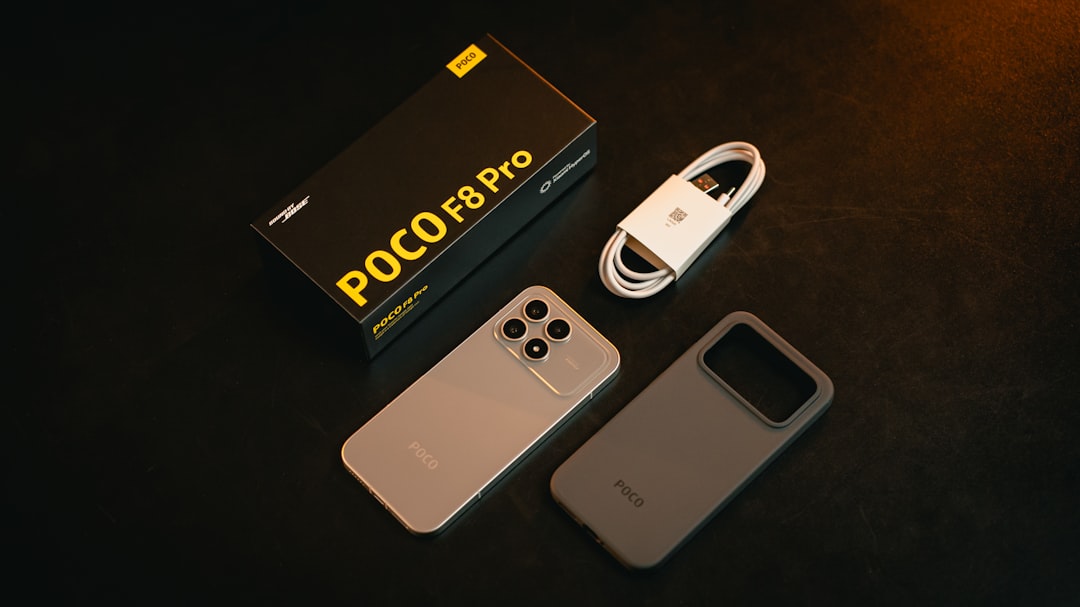
Poco X8 Pro Max: India's First 'Max' Poco Worth ₹35K?
Poco's launched its first 'Max' branded phone, and it's genuinely different from their usual playbook. The X8 Pro Max starts at ₹34,999 with flagship-level specs but questionable positioning. Here's why this phone exists and whether Indian buyers should actually care.
- ●First Poco Max phone with Snapdragon 8 Gen 3 at ₹34,999 starting price
- ●Available on Flipkart from March 25, Amazon India from March 30
- ●No wireless charging despite flagship pricing — typical Poco compromise
 Mobile News
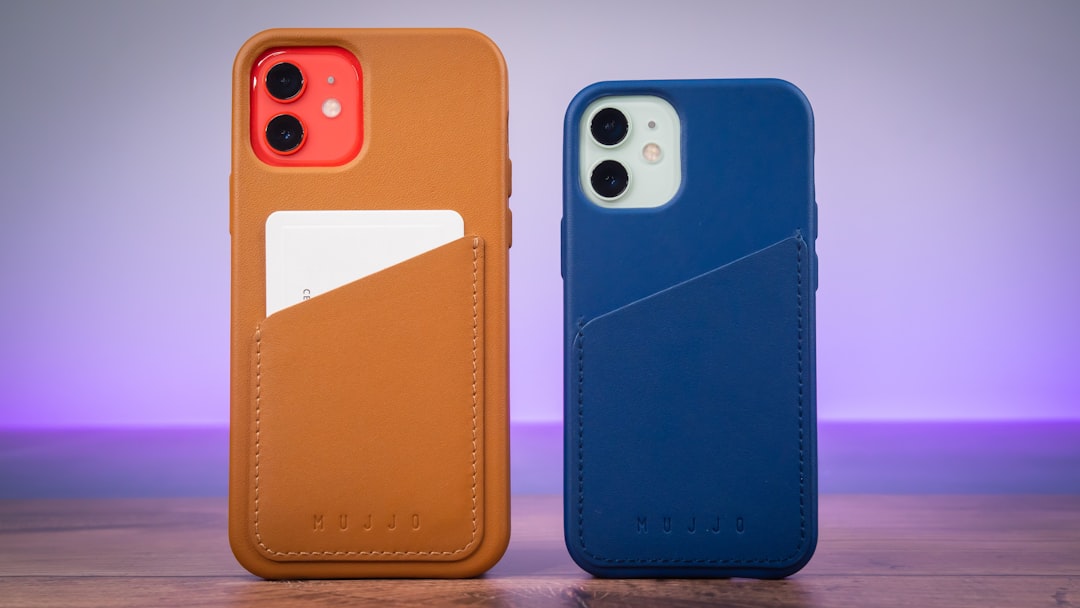
iPhone 19e vs 20e Rumors: Apple's Anniversary Plans Shake Things Up
Apple might skip the iPhone 19e entirely and jump straight to the iPhone 20e to celebrate the iPhone's 20th anniversary next year. The iPhone 18e, meanwhile, is facing some concerning reports about feature cuts and delayed India launch timing. Here's why this anniversary shuffle could actually benefit Indian buyers waiting for a budget iPhone.
- ●iPhone 19e might be skipped entirely for iPhone 20e anniversary edition
- ●iPhone 18e reportedly facing feature downgrades and India delay until late 2026
- ●120Hz display still uncertain for budget iPhone lineup despite Android competition
 Mobile News
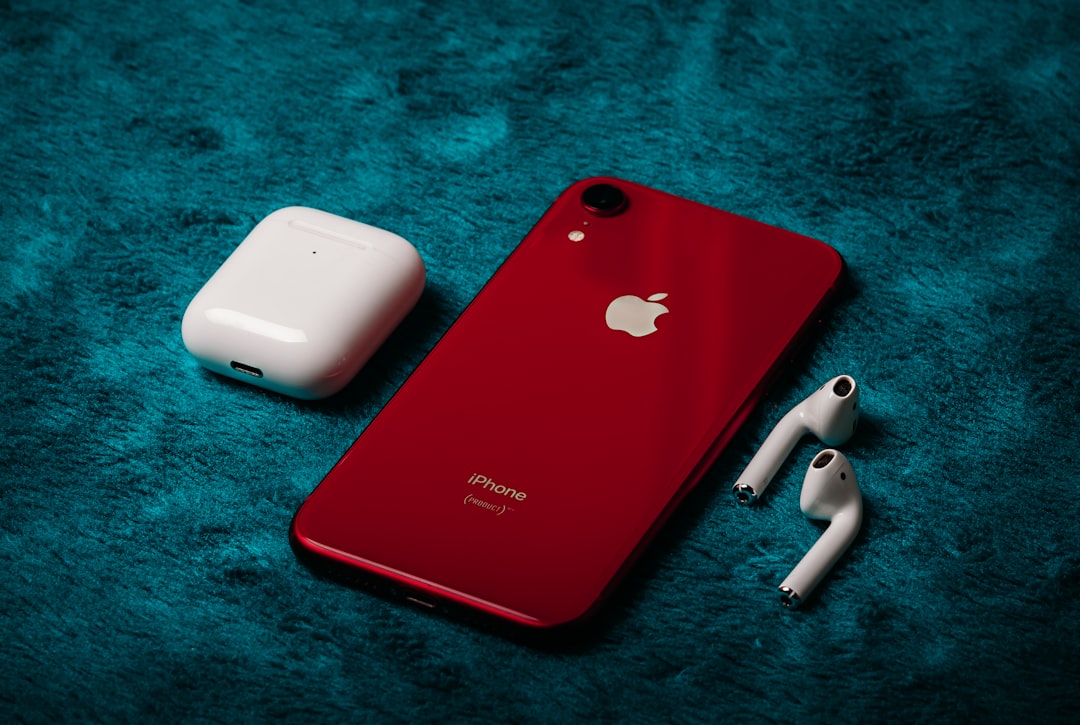
iPhone 5 Becomes Obsolete: End of Lightning Port Legend
Apple just moved the iPhone 5 to its obsolete products list, ending repair support for the device that introduced the Lightning port. The phone launched in 2012 but still has a surprising number of users in India's second-hand market. This marks the end of an era for what many consider Apple's most significant design shift.
- ●iPhone 5 joins obsolete list after 14 years, no more repairs
- ●First iPhone with Lightning port — replaced 30-pin connector
- ●Still popular in India's refurbished market at ₹8K-12K range
 Mobile News
AirPods Pro 3: Amazon Sale Makes Apple's Premium Buds Tempting
Apple's AirPods Pro 3 launched at a higher price than expected, but Amazon's current sale knocks off a decent chunk. In India, they're still premium territory at around ₹25,000 — but this discount makes them competitive with Sony's WH-1000XM6. The question isn't whether they're good — it's whether they're worth the Apple tax.
- ●₹3,500 discount brings price down to ₹25,000 during Amazon sale
- ●Available on Amazon India with EMI options starting March 20th
- ●Still expensive compared to Nothing Ear (2) at ₹8,999
Reader Reviews
(0 reviews)Be the first to share your experience with this device.