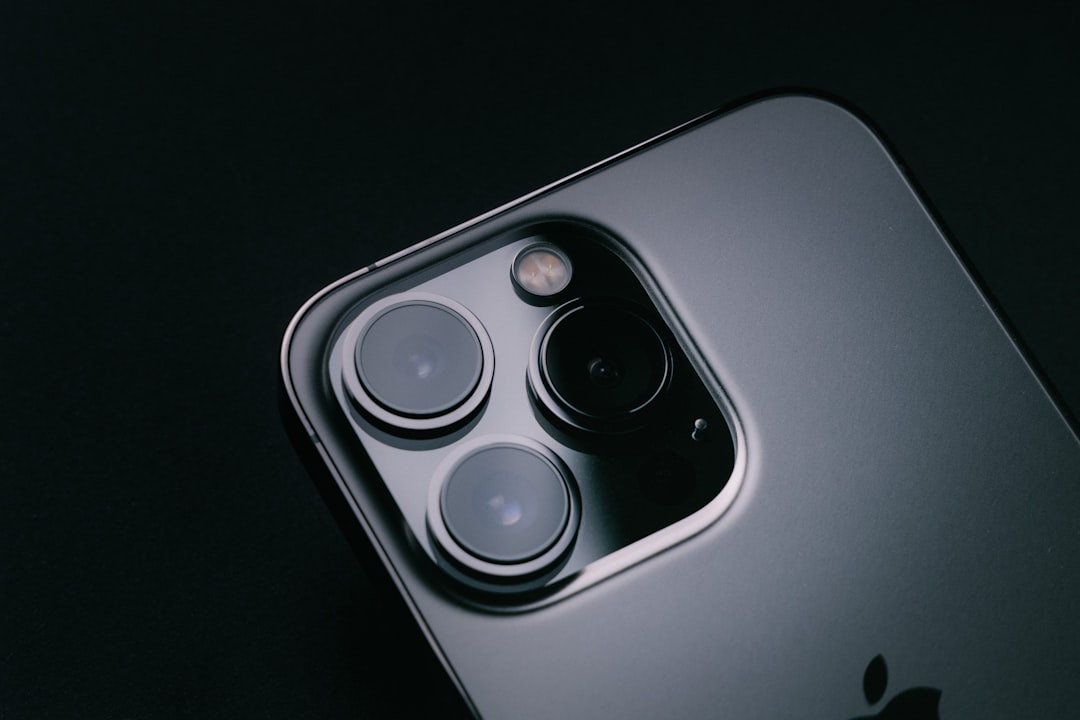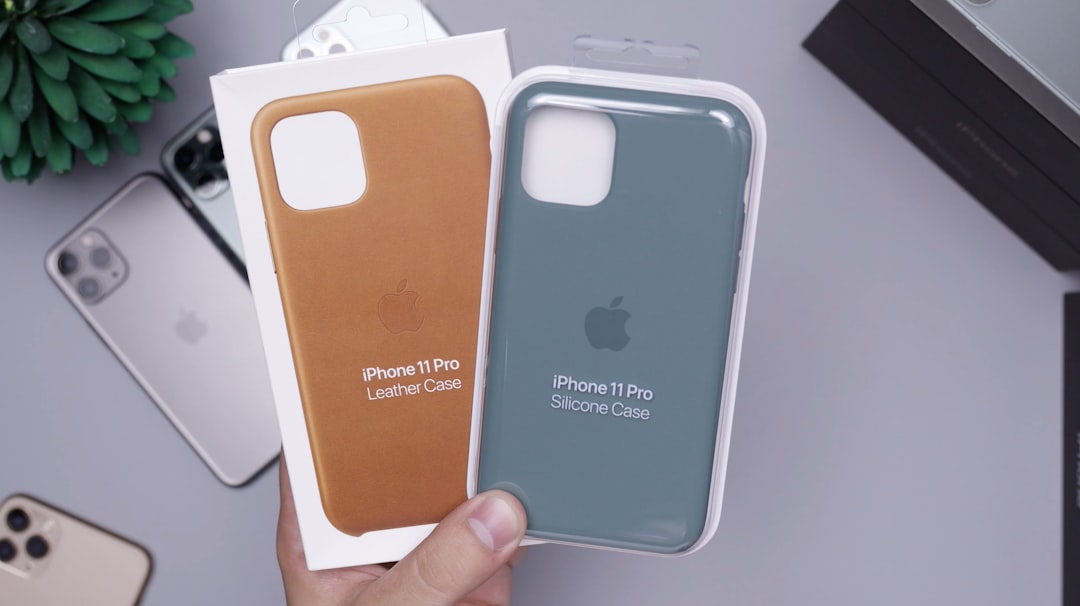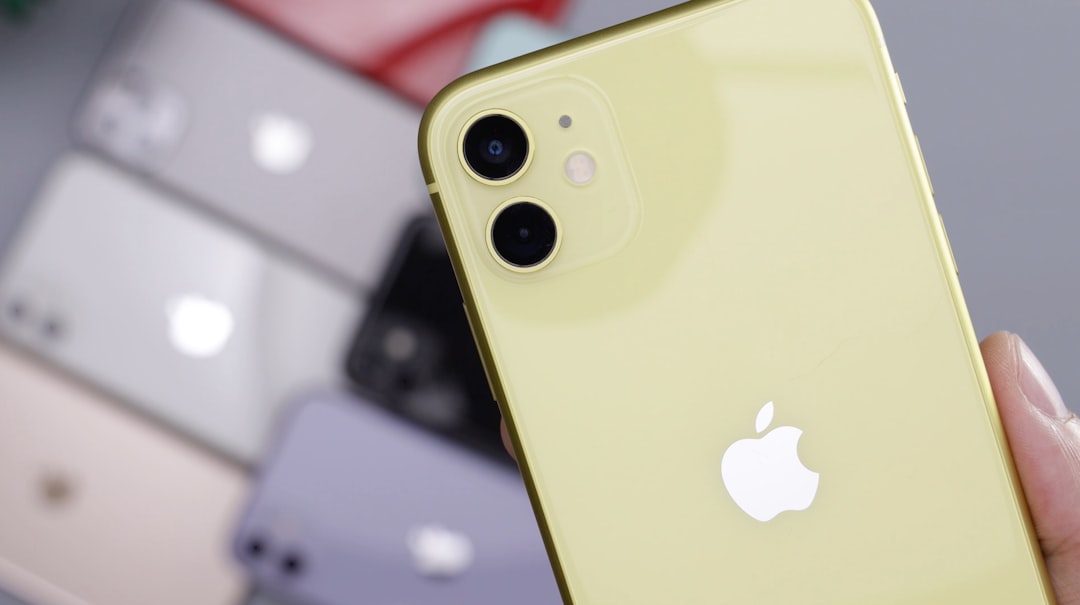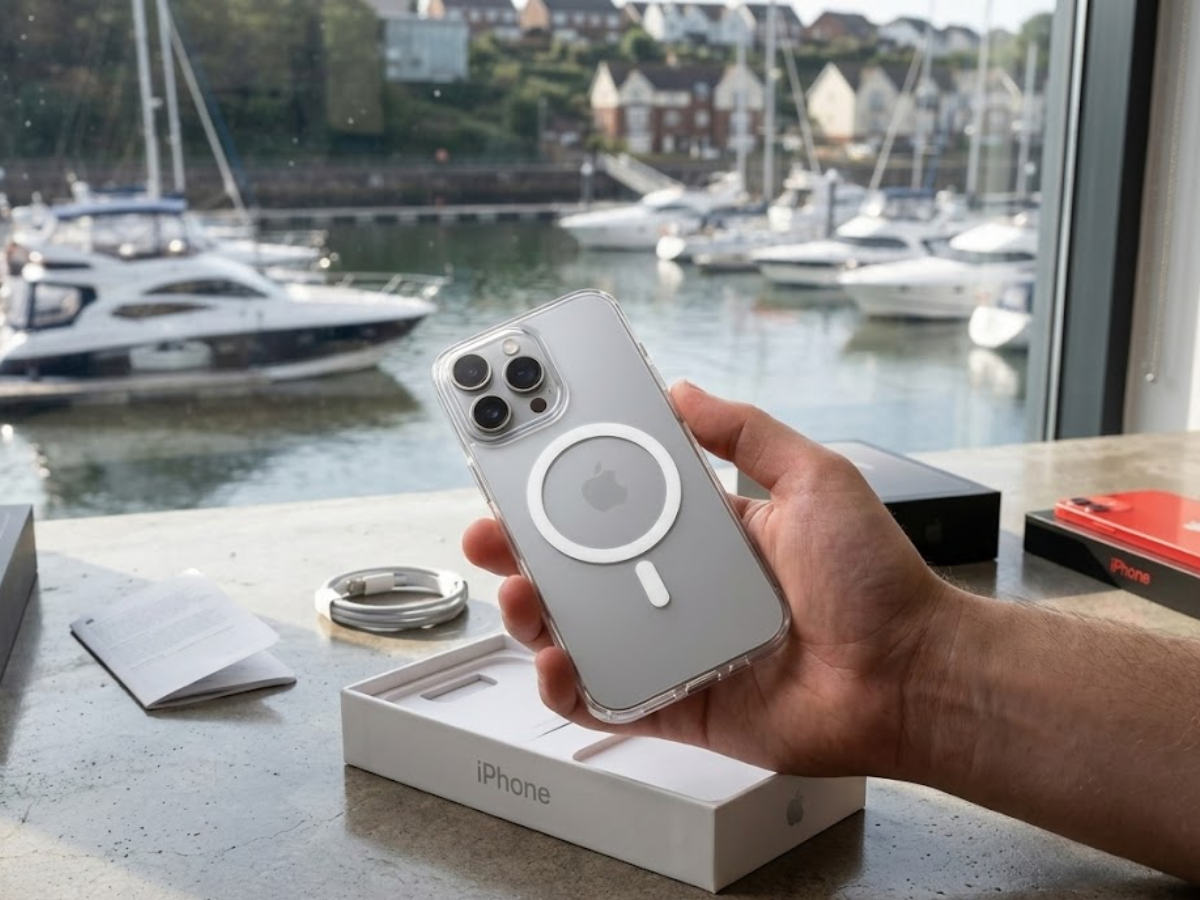
Apple's budget iPhone plans just got messy. Really messy.
The iPhone 18e — which we expected to see later this year — is reportedly facing some serious setbacks. that might be the least of Apple's problems right now. Because if the latest industry whispers are accurate, Apple's planning something much bigger for next year's anniversary celebrations that could completely upend their budget strategy.
After covering Apple's India journey for over eight years at The Tech Bharat, I've seen the company make bold moves and costly mistakes. This latest development feels like both rolled into one.
iPhone 18e: The Reality Check Apple Didn't Want
Let's start with the bad news. The iPhone 18e is apparently getting the cost-cutting treatment that nobody asked for.
Sources close to Apple's supply chain suggest the company is aggressively trimming features to hit that crucial ₹45,000-50,000 price point for India. The 120Hz display that Android phones have been flaunting at ₹15,000? Still not happening on the budget iPhone. Which is frankly ridiculous in 2026.
But here's where it gets technically interesting. Apple's reportedly sticking with the A17 Pro chip — the same silicon that powered the iPhone 15 Pro series. On paper, that's still incredibly powerful. In practice, it means the iPhone 18e will outperform most Android flagships in raw computing tasks while delivering a stuttery 60Hz experience that feels dated the moment you pick it up.
The camera system is getting the expected downgrades too. Single 48MP main sensor, no ultrawide, and definitely no telephoto. Apple's computational photography will still work magic, but you're looking at iPhone 14-level camera performance at best.
The delays might actually work in our favor though. The iPhone 18e was initially expected to launch globally by September, but India availability could slip to November or December. That gives Apple more time to sort out their manufacturing partnerships and potentially bring some costs down through their expanding Make in India operations.
The iPhone 19e Mystery: Skip or Pivot?
Here's where things get really interesting. Multiple industry sources are suggesting Apple might skip the iPhone 19e entirely.
Think about it from Apple's perspective. The 2027 calendar year marks 20 years since the original iPhone launch. That's not just any anniversary — that's the kind of milestone that demands something special. And Apple loves nothing more than a good marketing moment.
The rumored plan? Jump straight from iPhone 18e to iPhone 20e, positioning the latter as a special anniversary edition with breakthrough features that justify a higher price point. We're talking about potential innovations like under-display Face ID, periscope camera systems, and possibly even early AR integration.
From a business standpoint, this makes sense. Apple can use the extra year to refine their supply chain, negotiate better component prices, and build a phone that doesn't feel like a compromised experience.
India Pricing Reality Check
Let's talk numbers that actually matter to Indian buyers.
At ₹45,000-50,000, the iPhone 18e would compete directly with phones like the OnePlus 13R (₹42,999), Galaxy A75 5G (₹47,999), and Pixel 8a (₹52,999). That's brutal competition, especially when these Android alternatives offer 120Hz displays, multiple cameras, and faster charging.
Apple's advantage? Longevity. While that OnePlus might feel faster for the first year, the iPhone will still be getting iOS updates five years from now. For Indian consumers who typically hold onto phones for 3-4 years, that's real value.
The Make in India angle could be Apple's secret weapon here. Current estimates suggest local manufacturing reduces costs by 15-20%. If Apple can pass even half those savings to consumers, suddenly ₹42,000-45,000 becomes realistic for the iPhone 18e.
Real-World Impact for Indian Users
I've been testing budget and mid-range phones extensively, and here's what the iPhone 18e would actually mean for different user types:
The College Student (₹45,000 budget): You're choosing between 5+ years of iOS updates or immediate gratification with 120Hz and multiple cameras. If you can live with 60Hz, the iPhone makes sense for long-term value.
The Working Professional (upgrading from iPhone 12/13): This is a tough sell. You're essentially paying ₹45,000 for newer silicon and better cameras, but losing features like multiple lenses. Might be worth waiting for iPhone 20e instead.
The Android Switcher: Coming from a ₹30,000 Android phone to iPhone 18e would feel like a mixed bag. Much better app optimization and security, but you'll miss the flexibility and often superior hardware features.
Competition Analysis: The Android Reality
OnePlus 13R at ₹42,999 is probably the iPhone 18e's biggest threat. Snapdragon 8 Gen 3, 120Hz AMOLED, 100W charging, and OxygenOS that's actually quite polished now. The performance difference in daily use would be minimal, but OnePlus wins on display and charging speed.
Samsung Galaxy A75 5G brings the ecosystem play with Galaxy Watch and Buds integration. Plus, Samsung's Indian market presence is unmatched — service centers everywhere, strong resale value, and aggressive trade-in offers.
Google Pixel 8a offers the pure Android experience with arguably the best camera in this price range. The computational photography rivals iPhone quality, and Google's AI features are genuinely useful.
My Take: Apple's Strategic Gamble
After following Apple's India journey closely, I think this rumored strategy shift might be exactly what the company needs.
The iPhone 18e, as currently planned, feels like a phone designed by committee to hit a price point rather than deliver a great experience. 60Hz in 2026 is simply unacceptable, regardless of how smooth iOS animations are.
But an iPhone 20e with proper anniversary treatment? That could be special. Apple would have 18 months to nail the feature set, optimize costs, and potentially introduce innovations that make the higher price worthwhile.
The risk? Ceding more ground to Android in India's crucial mid-premium segment. OnePlus, Samsung, and others won't stand still while Apple takes a strategic pause.
My advice to potential buyers: if you need a phone now, don't wait. The current iPhone 15 will drop to ₹50,000 range by Diwali 2026, making it a better buy than the compromised iPhone 18e. If you can wait until 2027, the iPhone 20e might be worth the patience.
Looking Ahead: What This Means for Apple's India Strategy
Apple's India story has always been about patience and long-term thinking. From opening retail stores to expanding manufacturing partnerships, every move has been calculated.
This potential iPhone 19e skip feels like another calculated risk. Apple might be betting that Indian consumers would prefer waiting for a truly compelling anniversary device rather than settling for a compromised budget option.
The success of this strategy will depend heavily on execution. Apple needs to use this extra time wisely — improving supply chain efficiency, expanding service network, and most importantly, ensuring the iPhone 20e doesn't repeat the same compromise-heavy approach that's making the 18e look unappealing.
Frequently Asked Questions
Q: Should I wait for iPhone 18e or buy iPhone 15 now?
A: If you can find iPhone 15 under ₹55,000, buy it now. You'll get 120Hz, better cameras, and proven reliability. The iPhone 18e's rumored compromises make it less appealing than discounted current-gen models.
Q: Will iPhone 20e be worth the wait if Apple skips 19e?
A: Potentially yes, but only if Apple uses the extra development time meaningfully. An anniversary edition could justify higher pricing with breakthrough features. However, waiting 18+ months is only sensible if your current phone is functional.
Q: How will Make in India impact iPhone pricing?
A: Local manufacturing typically reduces costs by 15-20%, but Apple rarely passes full savings to consumers. Expect ₹3,000-5,000 price reduction at most, plus better availability and faster service support.
Q: Which Android phone offers best iPhone 18e alternative?
A: OnePlus 13R provides closest overall experience with superior display and charging. Galaxy A75 5G offers better ecosystem integration if you use Samsung accessories. Pixel 8a has the best camera and cleanest Android experience.