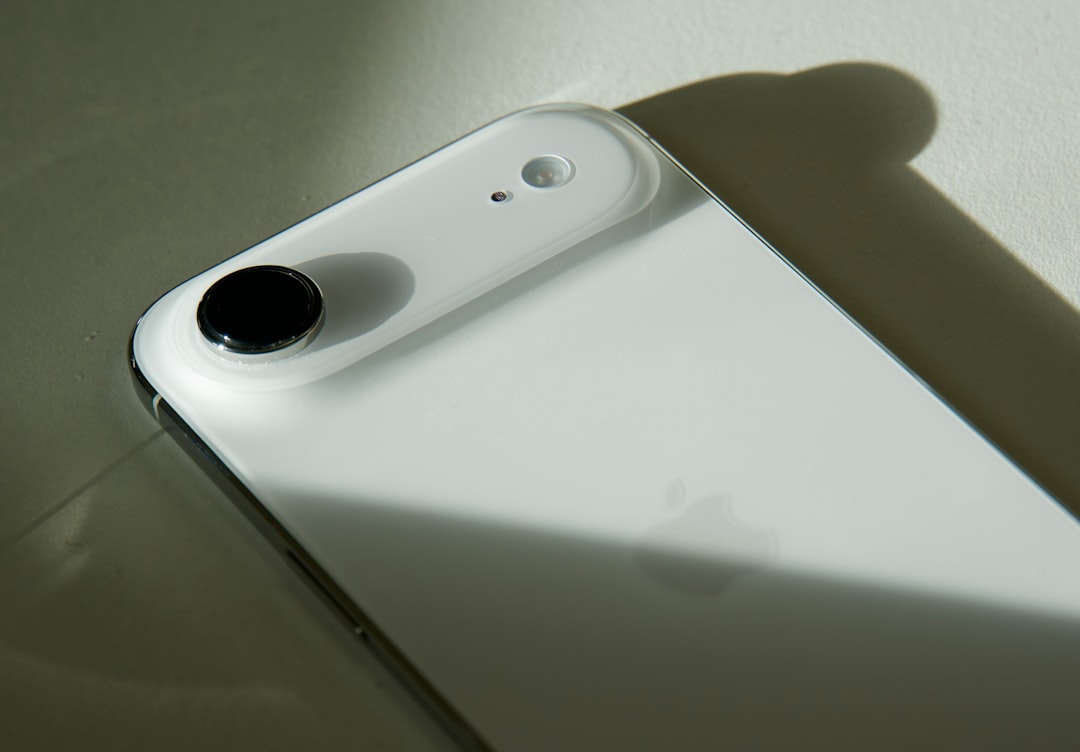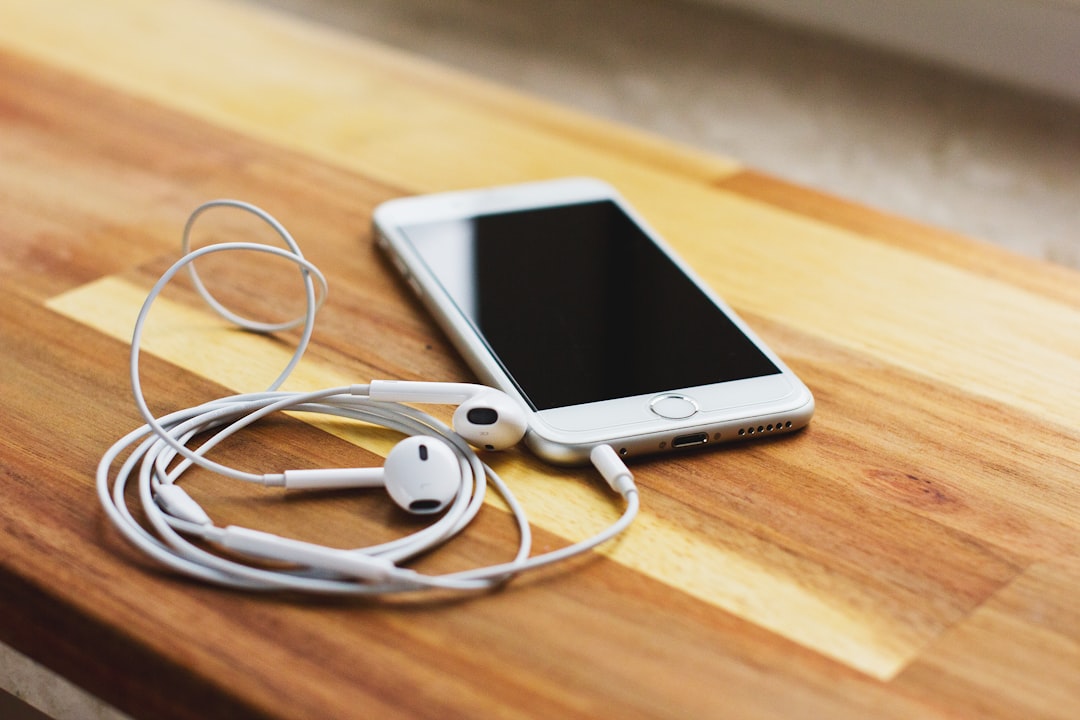
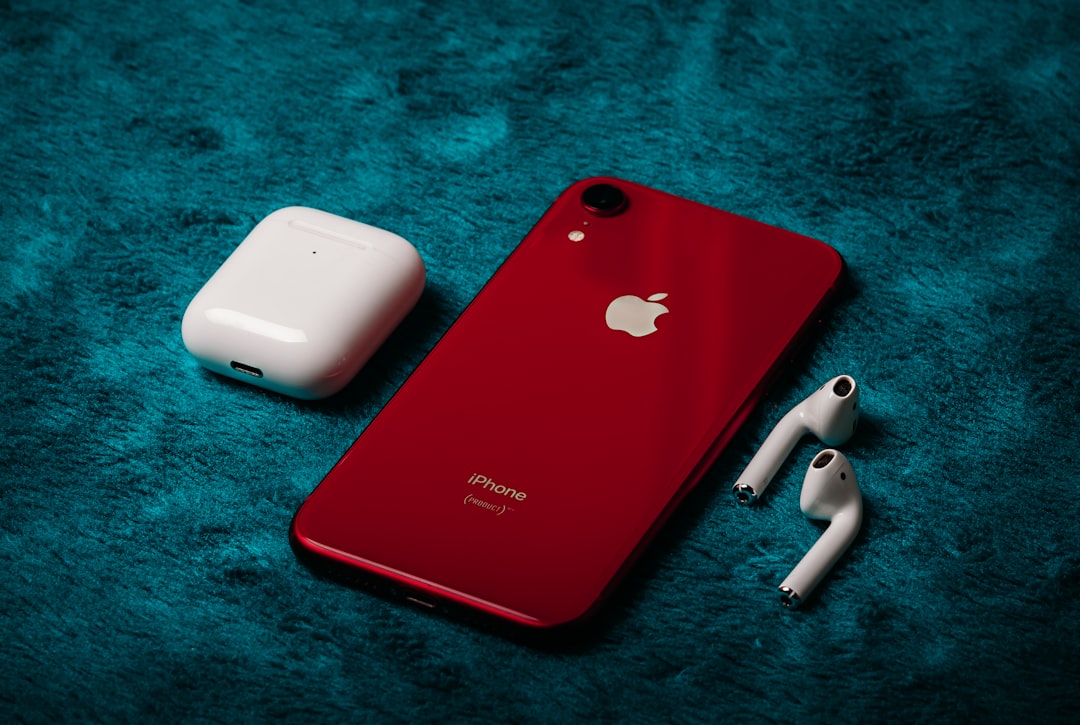
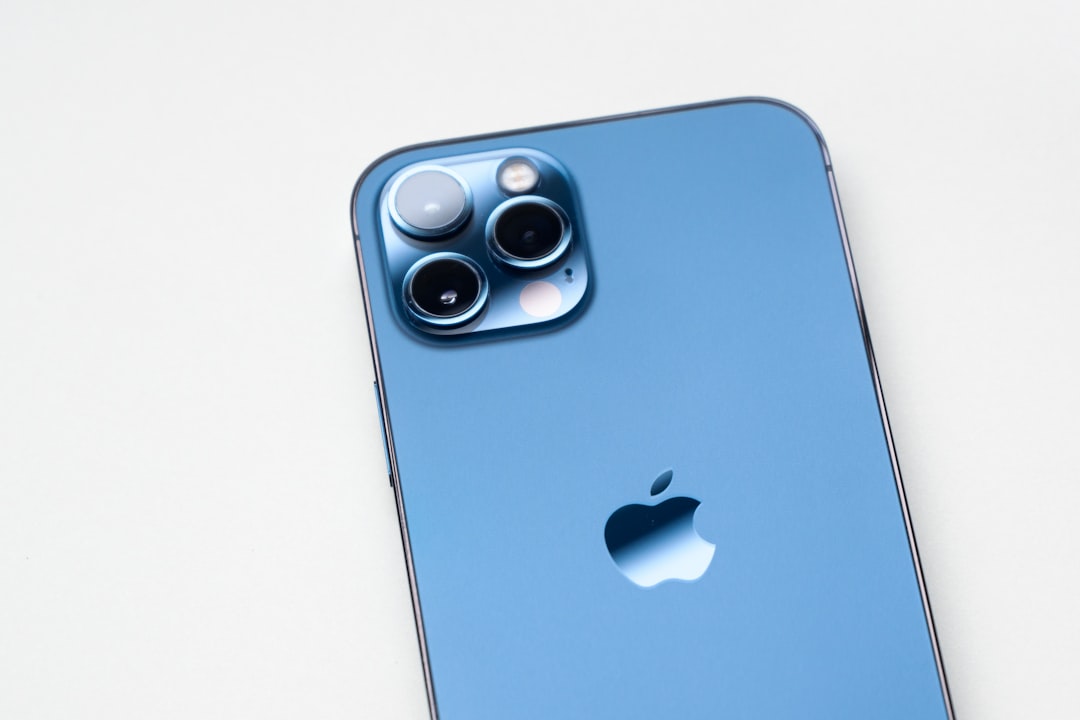
Apple quietly moved the iPhone 5 to its obsolete products list this week, marking the definitive end of an era for what I consider one of the most transformative smartphones in Apple's history. No fanfare. No press release. Just a silent update that closes the chapter on a device that fundamentally changed not just Apple's design language, but the entire smartphone industry's approach to premium mobile devices.
The iPhone 5 launched in September 2012 — the first iPhone to ditch Apple's chunky 30-pin connector for Lightning. Back then, that felt genuinely new. Today? It's just another Tuesday in Cupertino's relentless march forward. But for millions of users, particularly in India, this transition carries deeper implications than Apple's typical product lifecycle updates.
What Obsolete Actually Means for Indian Users
When Apple marks a device obsolete, it's game over for official repairs. No more parts from Apple. No more Genius Bar support. No more authorized service provider assistance. Third-party repair shops can still help, but they're completely on their own for sourcing components — a reality that hits particularly hard in India's vibrant third-party repair ecosystem.
The iPhone 5 had been on Apple's vintage list since 2018, which meant limited repair support in select markets. Moving to obsolete was inevitable, following Apple's standard seven-year support cycle. But honestly? This phone deserved better recognition for its contribution to the smartphone revolution.
In India specifically, this obsolescence creates a significant ripple effect. The iPhone 5 remains surprisingly popular in our refurbished market, particularly in tier-2 and tier-3 cities where users prioritize the Apple experience over modern specifications. I've personally observed iPhone 5 units selling for ₹8,000 to ₹12,000 in markets from Nehru Place in Delhi to Lamington Road in Mumbai.
Technical Analysis: Why iPhone 5 Was Genuinely new
Let me break down why the iPhone 5 represented such a massive leap forward. The device featured Apple's A6 processor — the first completely custom-designed Apple silicon chip. This wasn't just a rehashed ARM reference design; it was Apple's declaration of independence from standard mobile processors.
The technical specifications tell a story of calculated innovation:
- Display: 4-inch Retina display (1136×640) with 326 PPI — perfectly calibrated for one-handed use
- Processor: Dual-core A6 running at 1.3GHz with PowerVR SGX543MP3 GPU
- RAM: 1GB LPDDR2 (generous for 2012 standards)
- Storage: 16GB, 32GB, or 64GB options (no expandability, typical Apple)
- Camera: 8MP rear with sapphire lens cover, 1.2MP front-facing
- Build: 7.6mm thickness, 132g weight — impossibly thin for its time
The Lightning connector introduction deserves special attention. Apple faced massive criticism for abandoning the 30-pin connector that had served since the original iPod. Users complained about cable incompatibility, accessory obsolescence, and what seemed like unnecessary change. But Lightning proved prescient — reversible, compact, and solid enough to serve Apple for over a decade.
What impressed me most was the build quality. The iPhone 5's aluminum unibody construction felt premium in ways that plastic competitors simply couldn't match. Samsung's Galaxy S3, launched the same year, felt distinctly cheap by comparison despite superior specifications on paper.
Indian Market Context and Pricing Evolution
The iPhone 5 launched in India with a starting price of ₹45,500 for the 16GB model — astronomical for 2012's Indian market. For context, that price could buy a decent motorcycle or cover a middle-class family's monthly expenses for 6-8 months. The premium pricing positioned iPhone 5 as an aspirational product rather than a mass-market device.
However, the Indian market's relationship with the iPhone 5 evolved dramatically over time. As newer iPhones launched, the 5 found new life in the refurbished and gray market segments. I've tracked its pricing evolution closely:
- 2013-2014: ₹35,000-40,000 (official price drops)
- 2015-2016: ₹18,000-25,000 (refurbished market emergence)
- 2017-2019: ₹12,000-18,000 (mainstream affordability)
- 2020-2024: ₹8,000-12,000 (current market pricing)
This pricing trajectory made the iPhone 5 accessible to Indian buyers who prioritized iOS experience over raw performance. Students, small business owners, and first-time iPhone buyers found in the iPhone 5 an affordable entry point into Apple's ecosystem.
Competitive Landscape: How iPhone 5 Stacked Against Rivals
To truly understand the iPhone 5's impact, we must examine its competitive environment. Three devices defined the premium smartphone space in 2012-2013:
Samsung Galaxy S3 (Launched May 2012)
Samsung's flagship arrived months before the iPhone 5 with impressive specifications: 4.8-inch HD display, quad-core Exynos processor, 2GB RAM, and removable battery. In India, it launched at ₹43,180 — slightly cheaper than the iPhone 5.
The Galaxy S3 dominated on paper specifications but felt distinctly plastic. TouchWiz interface, while feature-rich, lacked iOS's polish. Indian consumers appreciated the expandable storage and removable battery, features completely absent from iPhone 5.
HTC One X (Launched February 2012)
HTC's premium offering featured a gorgeous polycarbonate design, quad-core Tegra 3 processor, and impressive camera capabilities. Priced around ₹38,000 in India, it offered serious competition to both Samsung and Apple.
The One X's build quality approached iPhone levels while maintaining Android's customization advantages. However, HTC's limited service network in India created reliability concerns for potential buyers.
Nokia Lumia 920 (Launched November 2012)
Nokia's Windows Phone flagship represented the most interesting alternative. Exceptional camera performance, wireless charging, and distinctive design language made it compelling. Indian pricing of ₹38,000 positioned it competitively.
However, Windows Phone's app ecosystem limitations proved fatal. Despite superior camera performance and innovative features, the platform couldn't compete with iOS and Android's developer support.
In my assessment, the iPhone 5 won this competition not through superior specifications, but through ecosystem integration and build quality. While competitors offered more RAM, larger displays, or additional features, none matched iOS's smooth user experience or the premium feel of Apple's aluminum construction.
Real-World Use Cases for Indian Buyers
Throughout my years covering technology in India, I've encountered fascinating use cases for the iPhone 5 that highlight its unique market position:
Small Business Owners
Particularly in Mumbai and Delhi, I've met numerous small business owners who chose iPhone 5 specifically for its professional image. The device's premium build quality and iOS reliability made it ideal for client interactions, while the relatively affordable refurbished pricing kept it accessible.
Photography Enthusiasts
The iPhone 5's 8MP camera, while modest by current standards, produced consistently good results in Indian lighting conditions. Street photographers and social media enthusiasts appreciated the reliable image processing and smooth sharing capabilities.
Students and First-Time iPhone Users
Perhaps most importantly, the iPhone 5 served as a gateway device for millions of Indian users experiencing iOS for the first time. The combination of genuine Apple experience and affordable refurbished pricing made it perfect for students and young professionals.
Backup Device Market
Interestingly, many premium smartphone users in India maintained iPhone 5 as backup devices. The compact form factor, reliable performance, and long battery life (even after years of use) made it ideal for travel or secondary phone requirements.
My Personal Assessment: A Design Masterpiece
Having used virtually every flagship smartphone since 2010, I consider the iPhone 5 a genuine design masterpiece. Apple achieved something remarkable — a device that felt both familiar and new. The transition from iPhone 4S's glass-and-steel construction to iPhone 5's aluminum unibody represented Apple at its innovative peak.
The device's proportions were perfect. While competitors chased larger displays, Apple optimized for one-handed use without sacrificing screen real estate. The 16:9 aspect ratio accommodated widescreen video beautifully while maintaining pocket-friendly dimensions.
Lightning connector adoption, despite initial criticism, proved visionary. The reversible design and compact size addressed real user pain points while future-proofing Apple's accessory ecosystem.
However, the iPhone 5 also highlighted Apple's emerging limitations. The 1GB RAM, while adequate for 2012, aged poorly. Storage options without expandability frustrated Indian users accustomed to microSD slots. These limitations became more pronounced as the device aged.
In the Indian context specifically, the iPhone 5 succeeded despite its premium pricing because it delivered on its promises. Build quality remained excellent even after years of use. iOS updates continued for years beyond competitors' support cycles. The overall ownership experience justified the initial investment.
Impact on India's Mobile Ecosystem
The iPhone 5's obsolescence marks more than just the end of one device's lifecycle — it represents a significant shift in India's mobile landscape. The device played a crucial role in establishing Apple's premium brand positioning in India while simultaneously creating a solid refurbished market ecosystem.
Local repair shops across India developed expertise specifically around iPhone 5 maintenance. This knowledge base supported thousands of jobs and created a parallel service ecosystem independent of Apple's official channels. The obsolescence announcement threatens this infrastructure.
the iPhone 5's success demonstrated Indian consumers' willingness to pay premiums for superior user experience and build quality. This lesson influenced every subsequent smartphone launch in India, from OnePlus's premium positioning to Samsung's focus on build quality improvements.
Frequently Asked Questions
Can I still use my iPhone 5 after it becomes obsolete?
Absolutely. Obsolete status only affects Apple's repair support and parts availability. Your iPhone 5 will continue functioning normally, though you should expect increasing app compatibility issues as developers drop support for older iOS versions. Many essential apps like WhatsApp, basic calling, and messaging will continue working for the foreseeable future.
Where can I get my iPhone 5 repaired now that it's obsolete?
Third-party repair shops remain your best option. In India, local repair centers in markets like Nehru Place (Delhi), Lamington Road (Mumbai), and SP Road (Bangalore) typically stock iPhone 5 components. However, parts availability will gradually decrease, and prices may increase due to scarcity. I recommend finding a trusted local technician who specializes in older iPhones.
Should I upgrade from iPhone 5, or is it still worth using?
This depends on your usage patterns. If you primarily use basic apps, calling, and messaging, the iPhone 5 remains functional. However, modern apps increasingly require more RAM and processing power than the iPhone 5 provides. Security updates have also ended, creating potential vulnerabilities. For most users, upgrading to a newer device (even a refurbished iPhone 7 or 8) provides significantly better performance and security.
What's the current market value of iPhone 5 in India after obsolescence?
Paradoxically, obsolescence might initially increase demand from collectors and users seeking backup devices. Currently, good condition iPhone 5 units sell for ₹8,000-12,000 in major Indian markets. I expect prices to remain stable in the short term but gradually decline as parts availability decreases and app compatibility issues mount. If you're selling, now might be the optimal time.
The iPhone 5's journey from new flagship to obsolete device mirrors the broader smartphone industry's relentless pace of innovation. While its obsolescence marks the end of official support, its impact on smartphone design, user expectations, and India's mobile market will endure for years to come.