
OnePlus just dropped the launch date for the 15T. March 24. Pre-orders are live in China right now.
I'm not sure why we need another OnePlus phone this soon. The regular 15 launched barely three months ago in global markets, and now we're getting the T variant already. But here's what OnePlus revealed, and more importantly, what it means for Indian buyers who are probably wondering if they should hold their breath for another incremental upgrade.
What OnePlus Actually Announced
The OnePlus 15T gets official on March 24 in China. That's next Monday. Pre-orders opened immediately after the announcement, which suggests OnePlus is confident about demand — or they're trying really hard to generate some buzz in a market that's becoming increasingly indifferent to their rapid-fire release schedule.
Two colour options: Healing White Chocolate and something called "Pu..." which got cut off in most reports. Classic OnePlus naming, honestly. They've always had this thing for quirky colour names that sound more like coffee shop menu items than phone variants. Remember Silk White? Glacial Green? At this point, I'm convinced they have a dartboard with random adjectives in their design meetings.
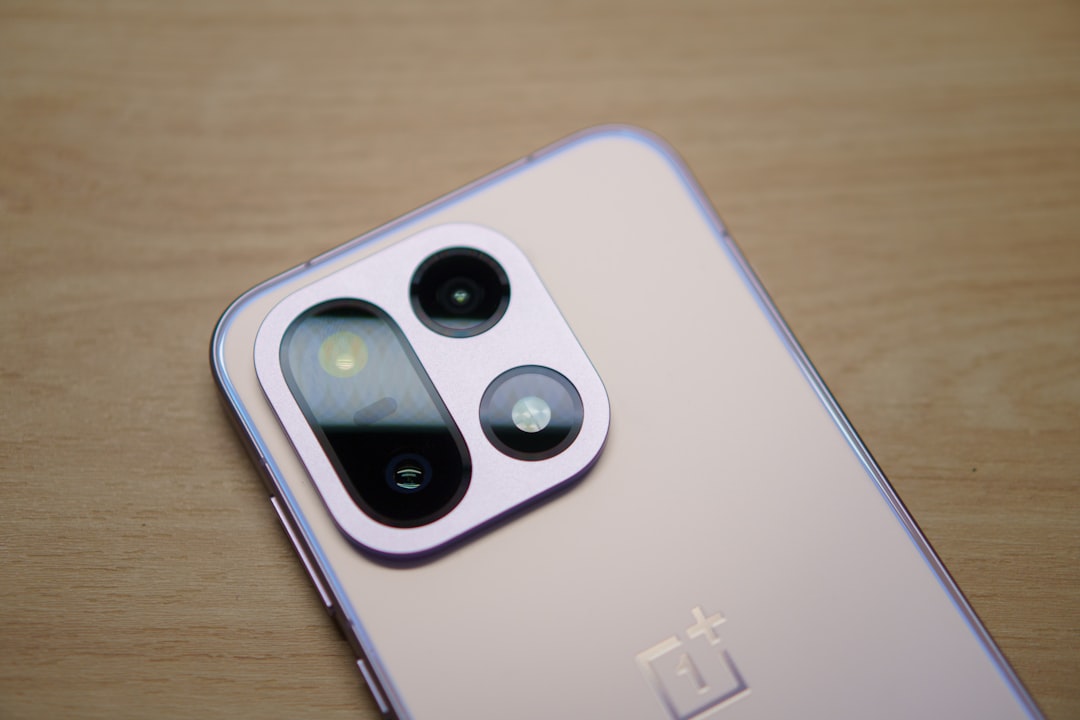
The pre-order page shows a design that's virtually identical to the regular OnePlus 15. Same camera bump. Same general proportions. Which makes sense from a manufacturing cost perspective but raises serious questions about what exactly justifies calling this a new phone.
Technical Specifications: Incremental at Best
From what we can piece together from leaked specifications and OnePlus's own teasers, the 15T appears to be running the Snapdragon 8 Elite processor. That's a legitimate upgrade over the Snapdragon 8 Gen 3 in the regular 15, offering approximately 15-20% better CPU performance and around 25% improvement in GPU tasks.
But here's the thing about flagship processors in 2025 — we've hit a performance plateau where these improvements barely translate to real-world usage differences. Whether you're scrolling Instagram, editing 4K videos, or playing Genshin Impact, the difference between the 8 Gen 3 and 8 Elite is negligible for most users.
The camera setup remains largely unchanged: a 50MP primary sensor, likely the same Sony IMX906 from the OnePlus 15, paired with an ultra-wide and a telephoto lens. OnePlus might push some software improvements and call it "AI-enhanced photography," but don't expect dramatic improvements in image quality.
Battery capacity stays at 6000mAh with 100W fast charging. RAM options will probably mirror the OnePlus 15: 12GB and 16GB variants with 256GB, 512GB, and 1TB storage options. Nothing groundbreaking here — just the usual spec sheet padding that OnePlus has become famous for.
India Launch Timeline and Pricing Reality
OnePlus typically takes 6-8 weeks to bring their China launches to India. Expect the OnePlus 15T to hit Indian shores sometime in May or June 2025, assuming they don't encounter any regulatory delays or supply chain hiccups.
Pricing is where things get interesting — and by interesting, I mean potentially problematic for OnePlus. The regular OnePlus 15 launched in India at ₹56,999 for the 12GB/256GB variant. The 15T will likely slot in around ₹58,999-₹62,999 for the base model, with the top-end 16GB/1TB variant pushing ₹70,000 or beyond.
At these price points, OnePlus is competing directly with established flagships that offer significantly more refined experiences. The Samsung Galaxy S24, which regularly sells for ₹65,000-₹68,000 during sales, provides superior camera performance, longer software support (7 years of updates versus OnePlus's 4 years), and better build quality.
Indian buyers, especially in tier-2 and tier-3 cities where OnePlus traditionally found its strongest support base, are becoming increasingly price-conscious. The brand's "flagship killer" positioning made sense when they were undercutting Samsung and Apple by ₹20,000-₹30,000. At current pricing, that value proposition has completely evaporated.
Competition Analysis: OnePlus vs Reality
Samsung Galaxy S24 (₹65,000-₹68,000): The Galaxy S24 offers a more mature camera system with better low-light performance, superior video stabilization, and Samsung's excellent One UI 6.1 based on Android 14. The build quality feels more premium, and Samsung's service network in India is significantly more solid than OnePlus's scattered presence.
Vivo X100 Pro (₹66,999): Vivo's flagship brings a genuinely impressive camera setup co-developed with Zeiss, offering better portrait photography and more consistent results across different lighting conditions. The MediaTek Dimensity 9300 processor delivers comparable performance to what we expect from the OnePlus 15T's Snapdragon 8 Elite.
iPhone 15 (₹69,900-₹72,000): Apple's base iPhone 15 model represents the premium alternative that many potential OnePlus buyers eventually consider. Superior long-term software support, better resale value, and integration with Apple's ecosystem make it a compelling choice despite the higher upfront cost.
Real-World Use Cases for Indian Buyers
Let's be practical about who might actually benefit from the OnePlus 15T:
Mobile Gaming Enthusiasts: The Snapdragon 8 Elite's GPU improvements might provide slightly better frame rates in demanding games like BGMI, Call of Duty Mobile, or newer titles. However, the OnePlus 15 already handles these games at maximum settings without breaking a sweat.
Content Creators: If you're shooting and editing videos on your phone regularly, the additional processing power could speed up rendering times by 10-15%. But professional content creators serious about mobile video work would be better served by investing in proper lighting and stabilization equipment rather than chasing marginal processor improvements.
Power Users: Heavy multitaskers who regularly run 15-20 apps simultaneously might appreciate the extra RAM efficiency from the new processor. But again, the OnePlus 15 with 12GB or 16GB RAM already handles extreme multitasking scenarios competently.
OnePlus Loyalists: Die-hard OnePlus fans who upgrade every cycle regardless of practical necessity. This demographic exists, but it's shrinking as the brand's differentiation factors fade away.
My Personal Assessment: Skip This One
After covering OnePlus launches for over six years, I've witnessed the brand's transformation from scrappy startup to another generic premium Android manufacturer. The OnePlus 15T represents everything wrong with modern smartphone release cycles — incremental improvements marketed as new upgrades.
The performance improvements, while measurable in benchmarks, won't translate to noticeable real-world differences for 95% of users. The design remains unchanged, suggesting minimal investment in actual innovation. The pricing continues OnePlus's drift away from value-oriented positioning toward premium territory they haven't earned through superior execution.
Indian buyers considering the OnePlus 15T should ask themselves: what specific problem does this phone solve that existing alternatives don't address better? The answer, for most people, is nothing.
If you're currently using a OnePlus 11 or OnePlus 12, there's absolutely no compelling reason to upgrade. If you're considering switching from another brand, the Samsung Galaxy S24 or Vivo X100 Pro offer more refined experiences at similar price points.
The only scenario where the OnePlus 15T makes sense is if OnePlus significantly undercuts expected pricing — launching at ₹50,000-₹52,000 instead of the ₹58,000+ I'm predicting. But given their recent pricing trends, that seems unlikely.
Frequently Asked Questions
Q: When will the OnePlus 15T launch in India, and should I wait for it instead of buying the OnePlus 15?
A: The OnePlus 15T will likely reach India by May-June 2025, based on OnePlus's typical 6-8 week delay after China launches. However, unless you're specifically interested in the marginal performance improvements from the Snapdragon 8 Elite processor, the OnePlus 15 offers essentially the same experience at a lower price point. The improvements aren't substantial enough to justify waiting or paying extra.
Q: How does the OnePlus 15T compare to the Samsung Galaxy S24 in terms of value for Indian buyers?
A: The Samsung Galaxy S24 provides better overall value for Indian buyers. Samsung offers superior camera performance, longer software support (7 years versus OnePlus's 4 years), more solid service network across India, and better build quality. While the OnePlus 15T might have slightly better raw performance, Samsung's more polished software experience and reliable after-sales support make it a safer long-term investment.
Q: What's the expected price range for the OnePlus 15T in India, and is it worth the premium over competitors?
A: Expect the OnePlus 15T to start around ₹58,999-₹62,999 for the base 12GB/256GB variant, with higher configurations pushing toward ₹70,000. At these prices, it's difficult to justify the premium over alternatives like the Vivo X100 Pro or even considering the iPhone 15 during sale periods. OnePlus no longer offers the aggressive value proposition that made their earlier devices compelling.
Q: Should existing OnePlus 12 or OnePlus 11 users consider upgrading to the 15T?
A: No, absolutely not. OnePlus 12 users will find minimal practical differences in day-to-day usage, and OnePlus 11 users are better served waiting for a more substantial generational leap. The performance improvements from Snapdragon 8 Gen 2/8 Gen 3 to 8 Elite aren't dramatic enough to justify the upgrade cost. Focus on maximizing your current device's potential rather than chasing incremental improvements.