
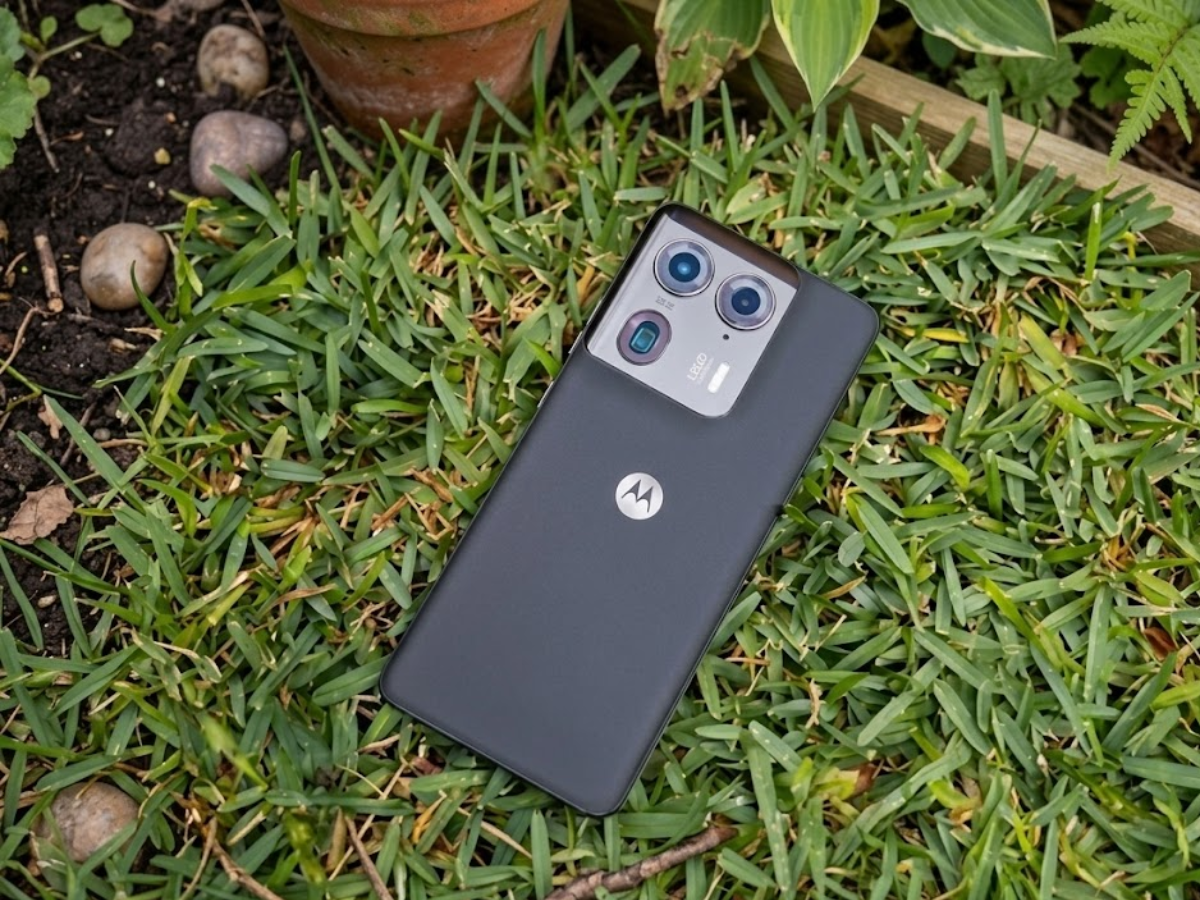
Motorola Razr Ultra: Thicker Design, But Better Than Galaxy Z Flip?
Motorola's doing something interesting with its next Razr Ultra. Renders show a noticeably thicker body compared to the current model, and honestly? That's probably the smartest decision they've made in years.
The specifications suggest Motorola's finally prioritising function over form. Which is refreshing. Every flip phone manufacturer has been obsessed with making their devices impossibly thin, often at the cost of battery life and thermal performance.
But here's the thing — this Razr Ultra could be genuinely competitive against Samsung's upcoming Galaxy Z Flip 8, especially in the Indian market where practicality matters more than bragging rights about millimetre measurements.
What Actually Show
The images reveal a Razr Ultra that's approximately 2mm thicker than its predecessor when folded. That might not sound like much, but in flip phone engineering, those extra millimetres translate to significant improvements under the hood.
Sources suggest the added thickness accommodates a 4,200mAh battery — a substantial upgrade from the current model's 3,800mAh cell. For a flip phone, that's genuinely impressive. My experience with foldables tells me that battery anxiety is the biggest practical concern, especially if you're commuting on Delhi Metro daily and can't easily charge mid-day.
The thicker profile also allows for better heat dissipation. Current flip phones get uncomfortably warm during gaming or video calls, which is particularly problematic in Indian summers. If Motorola's solved the thermal throttling issue that plagues most foldables, they're onto something.
Performance-wise, point to the Snapdragon 8 Gen 4 chipset, which makes sense for a premium 2026 launch. The extra space might also enable faster 67W charging — a significant improvement over the current model's 30W speeds.
| Specification | Razr Ultra | Current Razr (2025) |
|---|---|---|
| Battery | 4,200mAh | 3,800mAh |
| Charging | 67W (expected) | 30W |
| Thickness (folded) | 17.2mm | 15.1mm |
| Processor | Snapdragon 8 Gen 4 | Snapdragon 8 Gen 3 |
| India Price (estimated) | ₹79,999 | ₹89,999 (launch) |
India Pricing and Market Reality
Industry analysts estimate the Razr Ultra will launch in India around ₹79,999. That's aggressive pricing — roughly ₹10,000 less than what the current model cost at launch. Motorola's clearly trying to undercut Samsung's expected Galaxy Z Flip 8 pricing of ₹85,000-₹90,000.
At ₹80K, this puts the Razr Ultra in direct competition with Samsung's flip phone, but also premium flagships like the iPhone 17 Pro. The question isn't whether it's expensive — it absolutely is — but whether flip phone buyers will prioritise the form factor over proven flagship alternatives.
For the Indian market, availability will likely be through Flipkart initially, with Amazon India and offline retail following within 2-3 months. More Motorola news on The Tech Bharat suggests the company's planning aggressive EMI schemes and exchange offers to make the pricing more palatable.
₹80K is still a lot for most Indian buyers. But if you're already considering a premium foldable, the Razr Ultra's improved practicality could justify the premium over mid-range alternatives.
The Galaxy Z Flip 8 Problem
Samsung's Galaxy Z Flip 8 remains the elephant in the room. Expected to launch around the same time, it'll likely offer better software support, more refined build quality, and Samsung's established service network across India.
But here's where Motorola could win — Samsung's obsession with thinness has led to compromised battery life and heat issues in their flip phones. If the Razr Ultra genuinely solves these problems with its thicker design, some buyers might prefer substance over Samsung's polish.
The software experience will be crucial though. Motorola's near-stock Android is appealing, but Samsung's One UI has matured significantly for foldables. Indian buyers who rely heavily on Samsung Pay and other ecosystem features might stick with the Z Flip 8 regardless.
Camera performance will also determine success. Samsung's flip phones typically offer better camera consistency, especially for social media content creation — a key use case for this demographic.
Real-World Practicality Check
Let's be honest about flip phones in India. They're lifestyle devices, not practical daily drivers for most users. The novelty factor drives initial sales, but long-term satisfaction depends on solving fundamental foldable issues.
The thicker Razr Ultra addresses several pain points. Better battery life means less charging anxiety during long days. Improved cooling means more consistent performance in 40°C Delhi summers. Faster charging means quick top-ups during office breaks.
But some concerns remain. Dust resistance is still questionable — Motorola hasn't confirmed IPX8 rating, which is concerning for Indian conditions. The hinge mechanism's longevity is always a question mark. And at ₹80K, repair costs will be astronomical if something goes wrong.
My honest take? This seems like Motorola's most practical flip phone yet. But practical is relative when you're talking about ₹80,000 devices.
| Pros | Cons |
|---|---|
| Significantly improved battery life | Still no confirmed dust resistance rating |
| Better thermal management expected | ₹80K pricing excludes most buyers |
| Faster charging than current model | Thicker profile reduces portability appeal |
| Competitive pricing vs Samsung | Limited service network vs Samsung |
| Near-stock Android experience | Camera quality uncertain vs Galaxy Z Flip 8 |
Who Should Actually Buy This?
The Razr Ultra makes sense for a specific buyer profile. You're probably earning ₹15+ lakhs annually, value unique form factors over mainstream flagships, and can afford to replace expensive devices if they break. Social media creators who want standout devices might also consider this.
But honestly? Most people spending ₹80K would be better served by proven flagships. The iPhone 17 Pro, Galaxy S26+, or even a premium Nothing device will offer better cameras, software support, and resale value.
If you're genuinely torn between flip phones, wait for hands-on comparisons between this and the Galaxy Z Flip 8. Samsung's version will likely offer more polish, but Motorola's practical approach could surprise.
College students dreaming of flip phones — please don't. Compare phones on The Tech Bharat and you'll find better value elsewhere. This is expensive lifestyle tech, not practical smartphone shopping.
What Motorola Got Right (and Wrong)
Credit where it's due — focusing on thickness over thinness is genuinely smart. Every flip phone user I know complains about battery life and overheating. If Motorola's solved these issues, they deserve recognition.
The aggressive India pricing also suggests they're serious about market share, not just premium positioning. ₹80K is still expensive, but it's competitive within the foldable segment.
However, the lack of dust resistance confirmation is concerning. Indian conditions are harsh on smartphones, and flip phones are inherently more vulnerable due to their hinge mechanisms. This could be a deal-breaker for many potential buyers.
Software support timeline is another question mark. Samsung promises 4-5 years of updates for their foldables. Motorola's track record is less consistent, which matters when you're spending flagship money.
The Bigger Picture for Indian Foldables
This Razr Ultra suggests the foldable market is maturing. Manufacturers are finally prioritising user experience over engineering showoffs. That's good news for the few Indians willing to spend premium money on experimental form factors.
But let's be realistic — even at ₹80K, this remains niche. Most Indian smartphone buyers consider ₹25K expensive. Foldables need to reach ₹40-50K before mainstream adoption becomes possible.
Competition from Chinese brands like Honor and Xiaomi could accelerate this timeline. Their foldables offer similar features at lower prices, though service and software support remain concerns.
My prediction? The Razr Ultra will sell modestly in metros but won't significantly expand the foldable market. It's evolution, not revolution.
Should You Wait or Buy Something Else?
If you're already planning to spend ₹80K on a smartphone, my honest advice is to wait for proper reviews comparing this with the Galaxy Z Flip 8. The choice will likely come down to Samsung's polish versus Motorola's practical improvements.
But if you're flexible on form factors, consider proven alternatives. The iPhone 17 Pro will offer better cameras and longer software support. The Galaxy S26+ provides flagship features without foldable compromises. Even Nothing's premium offerings might deliver better value.
For most Indian buyers, ₹80K represents 4-6 months of salary. Spending that on experimental technology requires careful consideration. The Razr Ultra's improvements are meaningful, but they don't fundamentally change the foldable value proposition.
Unless you specifically want a flip phone for lifestyle or social reasons, flagship alternatives offer better practical value. The novelty wears off, but camera quality, battery life, and software support matter for years.
Based on Updates: This article is based on specifications and industry reports. Details are unconfirmed until official announcement. Do not treat pricing or specs as final.
Frequently Asked Questions
What is the India price?
Industry estimates suggest around ₹79,999, positioning it competitively against Samsung's Galaxy Z Flip 8 expected at ₹85,000-₹90,000.
When will it launch in India?
Expected Q3 2026 launch, likely through Flipkart initially with Amazon India and offline retail following within 2-3 months.
Is it worth buying?
Only if you specifically want a flip phone and can afford ₹80K comfortably. For most buyers, proven flagships offer better value and reliability at similar prices.