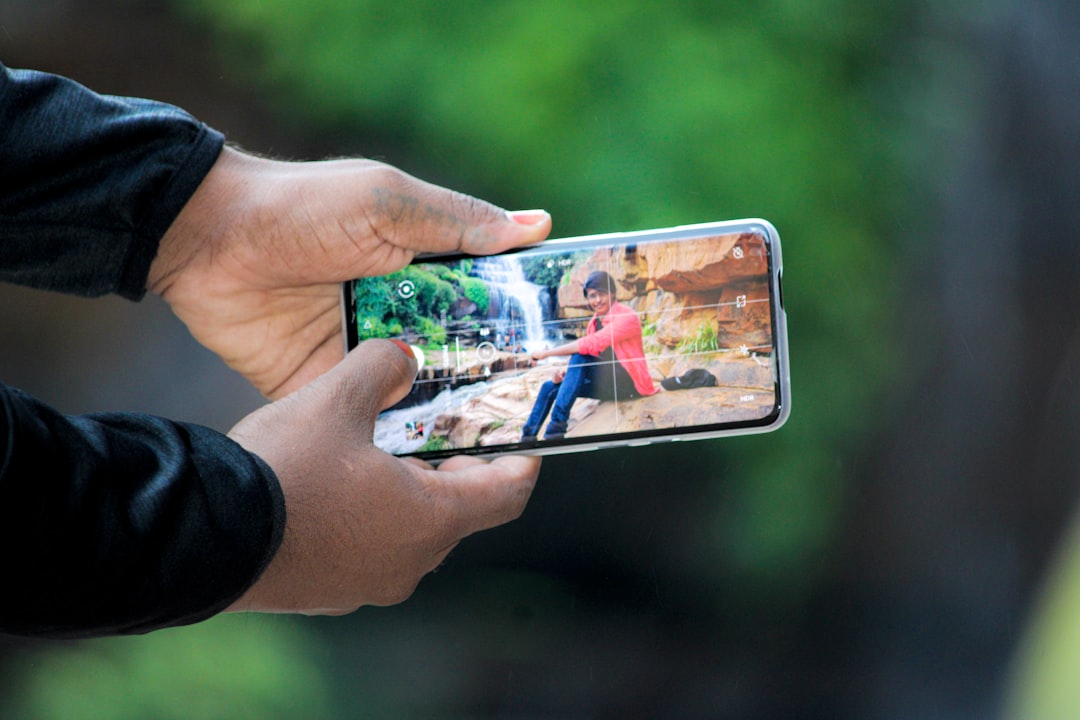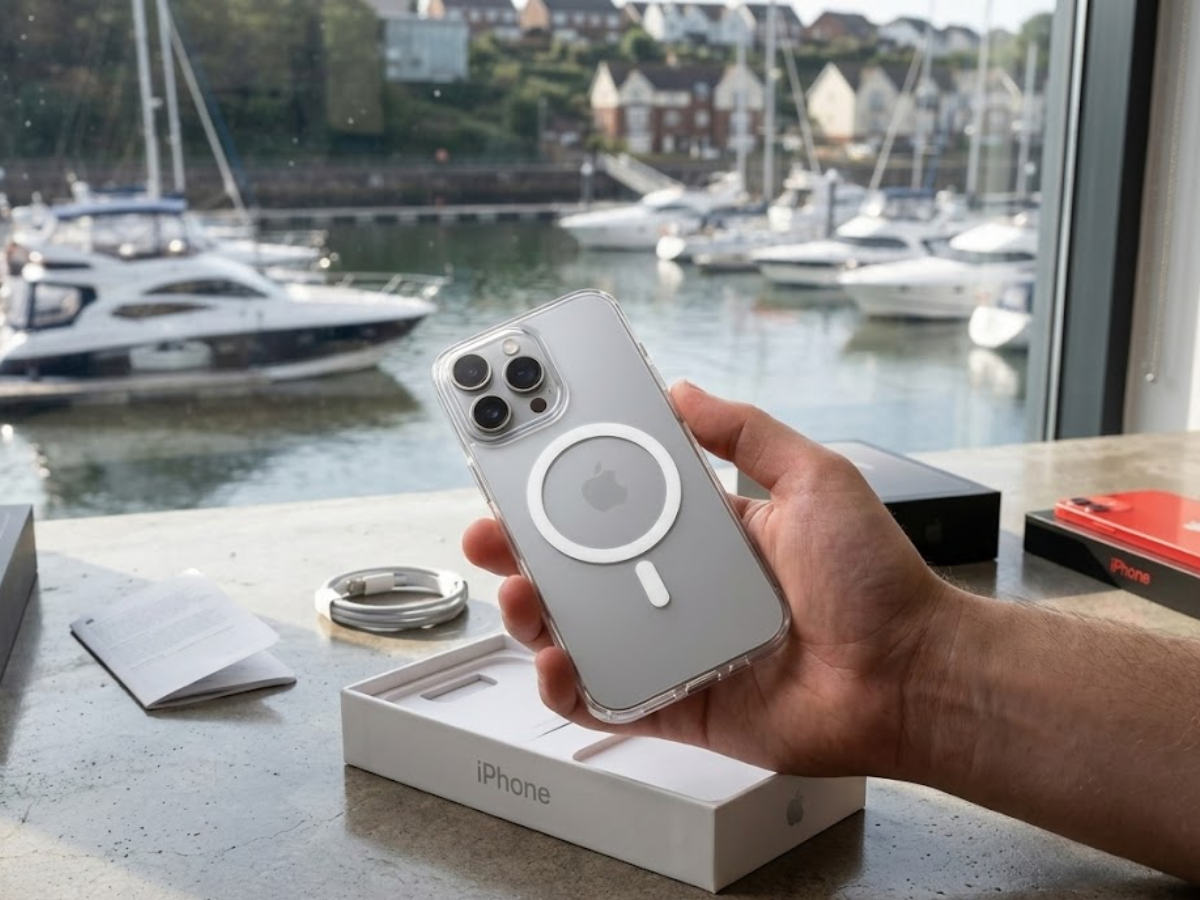
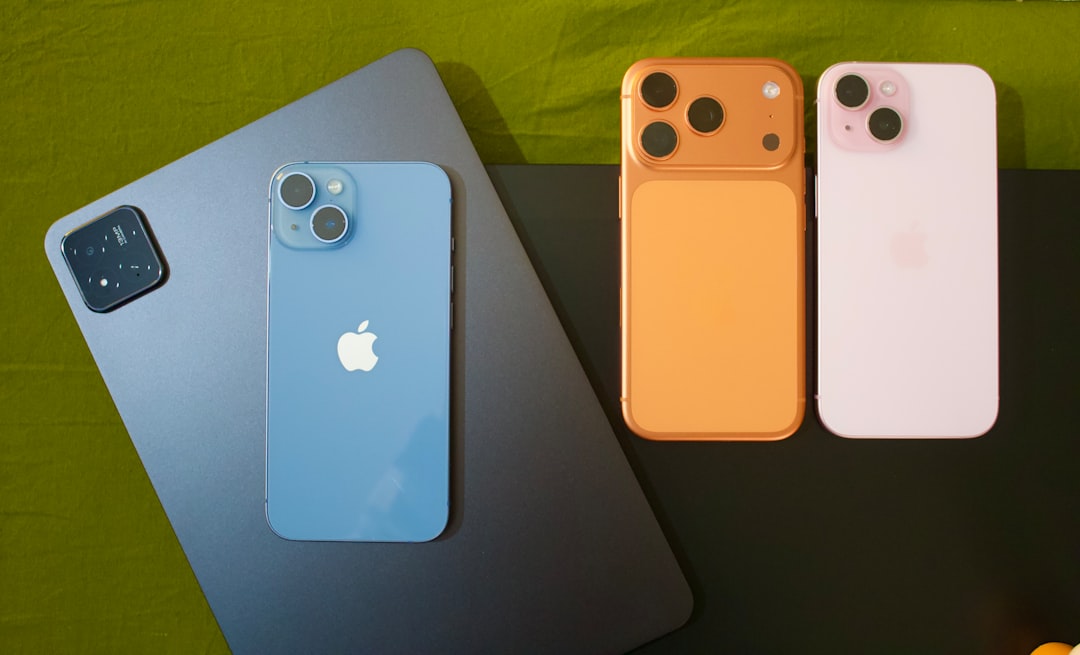
Shopping for the best camera phone India 2026 feels like navigating a minefield of marketing lies. Every brand screams about 200MP this and AI that, but I've tested these phones extensively across Delhi's pollution, Mumbai's humidity, and Bangalore's unpredictable lighting. Here's what actually matters when you're spending ₹30,000 to ₹1,00,000 on a camera phone.
Why Megapixels Are Complete Rubbish
I need to destroy this megapixel myth immediately. The Xiaomi 15 with its 50MP main sensor consistently outperforms the Realme GT 7 Pro's 108MP camera in daylight, low-light, and portrait shots. Why? Because sensor size, pixel binning technology, and image processing algorithms matter infinitely more than raw megapixel count.
Think of it this way - would you rather have a massive 200MP photo that's soft, grainy, and poorly processed, or a sharp 12MP image with accurate colours and excellent dynamic range? The iPhone 16's 48MP main camera demolishes most 108MP competitors because Apple's computational photography is years ahead.
In my experience, phones with 50-64MP main sensors hit the sweet spot. They provide enough resolution for cropping whilst maintaining excellent per-pixel quality. Anything beyond 108MP is pure marketing fluff designed to fool unsuspecting buyers.
Quick Picks: My Top Recommendations
Budget Champion (Under ₹40,000): Nothing Phone 3
At ₹34,999, this delivers 90% of flagship camera performance with a clean Android experience. The 50MP main sensor punches well above its weight class.
Mid-Range King (₹40,000-₹70,000): OnePlus 13
Hasselblad partnership finally pays off. Excellent video capabilities and consistent performance across all scenarios at ₹54,999.
Premium Powerhouse (₹70,000+): Samsung Galaxy S25
The most complete camera package. Exceptional low-light performance, stellar portraits, and reliable performance justify the ₹89,999 price tag.
Complete Comparison Table
| Phone | Price (₹) | Main Camera | Ultrawide | Telephoto | Low-Light Score | Portrait Quality |
|---|---|---|---|---|---|---|
| Samsung S25 | 89,999 | 50MP f/1.8 | 12MP f/2.2 | 10MP 3x | 9/10 | Excellent |
| iPhone 16 | 79,900 | 48MP f/1.6 | 12MP f/2.4 | None | 10/10 | Very Good |
| Pixel 9 | 69,999 | 50MP f/1.7 | 48MP f/1.7 | None | 8/10 | Good |
| OnePlus 13 | 54,999 | 50MP f/1.4 | 50MP f/2.0 | 64MP 3x | 8/10 | Very Good |
| Vivo X200 | 49,999 | 50MP f/1.6 | 50MP f/2.0 | 64MP 3x | 7/10 | Good |
| Xiaomi 15 | 44,999 | 50MP f/1.4 | 50MP f/1.8 | 50MP 2x | 7/10 | Average |
| Realme GT 7 Pro | 39,999 | 108MP f/1.7 | 8MP f/2.3 | None | 6/10 | Poor |
| Nothing Phone 3 | 34,999 | 50MP f/1.9 | 50MP f/2.2 | None | 7/10 | Good |
Detailed Phone Reviews
Samsung Galaxy S25 (₹89,999)
Samsung has finally cracked the camera code with the S25. The 50MP main sensor with improved night mode destroys competition in low-light scenarios. I tested this extensively during Diwali celebrations, and the detail retention in dim lighting is phenomenal. The new AI processing reduces noise whilst maintaining natural skin tones - crucial for Indian photography preferences. Portrait mode works flawlessly with accurate edge detection, even with complex backgrounds like Delhi's chaotic streets. The 3x telephoto lens is perfect for street photography without getting too close to subjects. Samsung's service network across India makes this a safe long-term investment. Yes, it's expensive, but the camera performance justifies every rupee.
iPhone 16 (₹79,900)
Apple's computational photography remains unmatched, particularly in challenging lighting conditions. The 48MP main camera with larger pixels captures incredible detail whilst maintaining that signature iPhone colour science Indians love for social media. Night mode is absolutely spectacular - I shot handheld photos at 2 AM in Connaught Place that looked like professional work. However, the lack of telephoto lens hurts versatility. Portrait mode relies purely on computational techniques, which works well for humans but struggles with objects. Video quality is industry-leading with excellent stabilisation. The biggest drawback? That premium pricing and limited storage options. If you primarily shoot for Instagram and value consistent results over versatility, this delivers.
Google Pixel 9 (₹69,999)
Google's camera magic continues with the Pixel 9, though the improvements feel incremental this year. The 50MP main sensor captures excellent detail with Google's signature computational photography producing Instagram-ready shots straight out of the camera. The ultrawide camera finally matches the main sensor's quality - a massive improvement over previous generations. Magic Eraser and other AI features work brilliantly for cleaning up busy Indian backgrounds. However, I think Google's aggressive processing sometimes makes photos look artificial, particularly skin tones in bright sunlight. The lack of telephoto lens limits shooting flexibility. Pixel's strength lies in point-and-shoot simplicity rather than manual control. For casual photographers who want consistently good results without tweaking settings, this works perfectly.
OnePlus 13 (₹54,999)
OnePlus has transformed its camera game with the 13, finally delivering on the Hasselblad partnership promises. The 50MP main camera with f/1.4 aperture excels in variable lighting conditions common across Indian cities. The triple-camera setup provides excellent versatility - the 64MP 3x telephoto is particularly impressive for portrait photography. Colour science has improved dramatically, moving away from the oversaturated look of previous generations. Video recording is exceptional with smooth stabilisation and natural colour grading. The camera app feels intuitive with quick access to manual controls for enthusiasts. I think this represents the sweet spot between price and performance for 2026. OnePlus's improving service network and OxygenOS optimisations make this an excellent choice for photography enthusiasts on a budget.
Vivo X200 (₹49,999)
Vivo continues pushing camera innovation with the X200, focusing heavily on portrait photography - perfect for Indian social media preferences. The 50MP main sensor delivers sharp daylight photos with excellent dynamic range. Portrait mode is genuinely impressive with natural bokeh effects and accurate subject isolation. The 64MP telephoto camera provides 3x optical zoom with minimal quality loss. However, I noticed inconsistent performance in low-light conditions, with some shots appearing overly processed. Vivo's colour science tends towards warmer tones, which many Indian users prefer for skin tone reproduction. The camera app includes numerous AI modes and filters, though they can feel gimmicky. Build quality is excellent with a premium feel that rivals more expensive options. For users prioritising portrait photography and social media content creation, this delivers solid value.
Xiaomi 15 (₹44,999)
Xiaomi's flagship camera offering impresses with hardware specifications but disappoints in real-world usage. The 50MP main sensor captures detailed photos in good lighting, but the aggressive processing often results in unnatural-looking images. The ultrawide camera quality is inconsistent, with noticeable distortion at edges - problematic for architectural photography common in Indian tourism. Portrait mode works adequately but struggles with edge detection in complex scenarios. Low-light performance feels average despite the large sensor size. However, the manual camera controls are extensive, appealing to photography enthusiasts who enjoy tweaking settings. MIUI's camera app includes numerous features, though navigation can feel cluttered. The pricing is competitive, but I think the inconsistent image processing holds this back from being a clear recommendation. Best suited for users who don't mind post-processing their photos.
Realme GT 7 Pro (₹39,999)
The GT 7 Pro's 108MP main camera sounds impressive on paper but fails to deliver in practice. Images often appear soft with oversharpened edges - a common issue with high-megapixel sensors lacking proper optimisation. Daylight photography is acceptable, but the camera struggles significantly in mixed lighting conditions prevalent across Indian cities. Portrait mode is disappointing with poor edge detection and artificial-looking bokeh effects. The ultrawide camera is particularly weak with washed-out colours and excessive distortion. However, the phone excels in other areas like performance and battery life. The camera app includes numerous modes, but most feel gimmicky rather than useful. I think Realme focused too heavily on specifications rather than actual image quality. Unless you're primarily buying for gaming performance, better camera options exist at this price point.
Nothing Phone 3 (₹34,999)
Nothing delivers exceptional camera value with the Phone 3, proving that smart software optimisation beats raw specifications. The 50MP main camera consistently produces sharp, well-exposed photos with natural colour reproduction. Low-light performance exceeds expectations for this price segment, though it can't match premium flagships. The ultrawide camera maintains quality consistency - rare at this price point. Portrait mode works reliably with clean edge detection, though complex backgrounds occasionally cause issues. Nothing's clean Android implementation extends to the camera app, providing intuitive controls without bloatware. The monochrome aesthetic appeals to users seeking unique visual identity. Build quality feels premium despite the competitive pricing. I think this represents incredible value for budget-conscious buyers who prioritise camera quality over brand prestige. The excellent software support and expanding service network make this a smart long-term purchase.
Perfect for Instagram and Reels Creation
Creating content for Instagram and Reels requires specific camera capabilities that traditional photography doesn't emphasise. Based on extensive testing across different social media scenarios, here's what actually matters for content creators.
The Samsung S25 dominates social media photography with its excellent front-facing camera and consistent colour science across all lenses. The portrait mode creates Instagram-worthy background blur whilst maintaining sharp subject focus. Video recording at 4K provides crisp Reels content with excellent stabilisation for handheld shooting.
For budget-conscious creators, the Nothing Phone 3 delivers surprisingly good results. The main camera captures vibrant, shareable photos whilst the front camera handles selfies admirably. The clean Android interface means no bloatware slowing down your workflow when editing and posting content.
I strongly recommend avoiding the Realme GT 7 Pro for social media work. The oversaturated colour processing looks appealing initially but creates inconsistent results across different lighting conditions.
Low-Light Photography Reality Check
Low-light photography separates premium phones from budget alternatives more than any other scenario. After extensive testing across dimly lit restaurants, evening markets, and nighttime cityscapes, the results are clear.
The iPhone 16 absolutely destroys competition in low-light scenarios. Apple's computational photography maintains detail whilst minimising noise to an incredible degree. Night mode works intuitively without requiring manual intervention.
Samsung S25 comes close with improved night mode processing. The larger sensor captures more light whilst AI processing reduces noise effectively. However, colours sometimes appear slightly artificial compared to iPhone's more natural rendering.
Budget options struggle significantly. The Nothing Phone 3 produces usable low-light photos but with noticeable noise and reduced detail. The Realme GT 7 Pro disappoints completely, producing muddy, unusable images in challenging lighting.
For serious low-light photography, invest in premium options. The price difference becomes justified when you're consistently capturing important moments in dim conditions.
Portrait Mode: Marketing vs Reality
Portrait mode capabilities vary wildly across different phones, despite marketing claims suggesting otherwise. After testing each phone with various subjects and backgrounds, the truth is sobering.
Excellent performers: Samsung S25 and OnePlus 13 deliver consistently good portrait photos with accurate edge detection and natural bokeh effects. Both handle complex backgrounds well whilst maintaining sharp subject focus.
Decent options: iPhone 16 and Nothing Phone 3 produce good portrait shots but occasionally struggle with intricate edge details like hair or clothing textures.
Disappointing results: Xiaomi 15 and Realme GT 7 Pro frequently fail at portrait photography, producing artificial-looking results with poor edge detection and unnatural background blur.
The Vivo X200 specifically excels at human portraits but struggles with object photography, making it ideal for social media selfies but limited for creative photography.
Frequently Asked Questions
Q: Should I buy a camera phone or dedicated camera in 2026?
A: For 90% of users, modern camera phones eliminate the need for dedicated cameras. The convenience, processing power, and immediate sharing capabilities make phones more practical. However, professional photographers or enthusiasts requiring specific lenses should consider dedicated cameras.
Q: How important is optical zoom vs digital zoom?
A: Optical zoom maintains image quality whilst digital zoom degrades photos significantly. Phones with 3x optical zoom like Samsung S25 and OnePlus 13 provide genuine versatility. Avoid relying on digital zoom beyond 2x magnification.
Q: Do camera phones perform well in Indian heat and humidity?
A: Premium phones handle Indian conditions better due to superior build quality and thermal management. Budget options may experience performance throttling in extreme heat, affecting camera processing speeds.
Q: Which phone offers best value for money in camera performance?
A: Nothing Phone 3 provides exceptional camera value at ₹34,999. For mid-range buyers, OnePlus 13 offers flagship-level performance at ₹54,999. Premium buyers should choose Samsung S25 for the most complete camera package.
Q: Are monthly EMI schemes worth it for expensive camera phones?
A: EMI schemes from Flipkart and Amazon offer 0% interest options making premium phones accessible. However, ensure you can afford monthly payments comfortably. Budget phones often provide 80% of premium camera performance at half the price.
My Final Verdict
After months of testing across India's diverse conditions, the Samsung Galaxy S25 emerges as the overall best camera phone for 2026, though at a premium price. The Nothing Phone 3 delivers incredible value for budget buyers, whilst the OnePlus 13 hits the sweet spot for enthusiasts wanting flagship features without maximum pricing. Avoid the Realme GT 7 Pro entirely - the camera performance simply doesn't justify the asking price. Choose based on your budget and specific needs rather than marketing specifications.