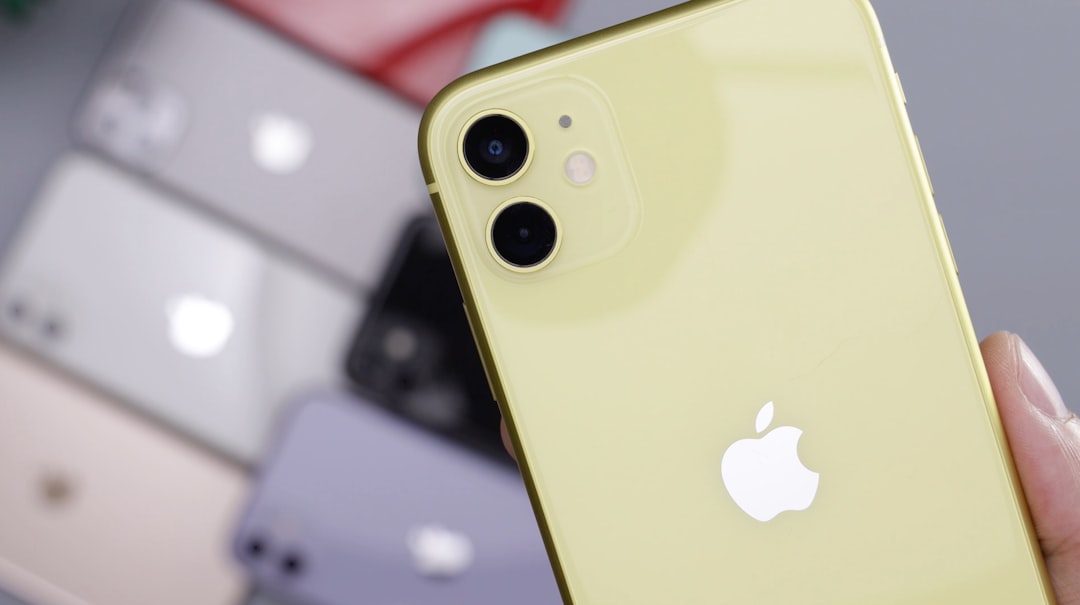
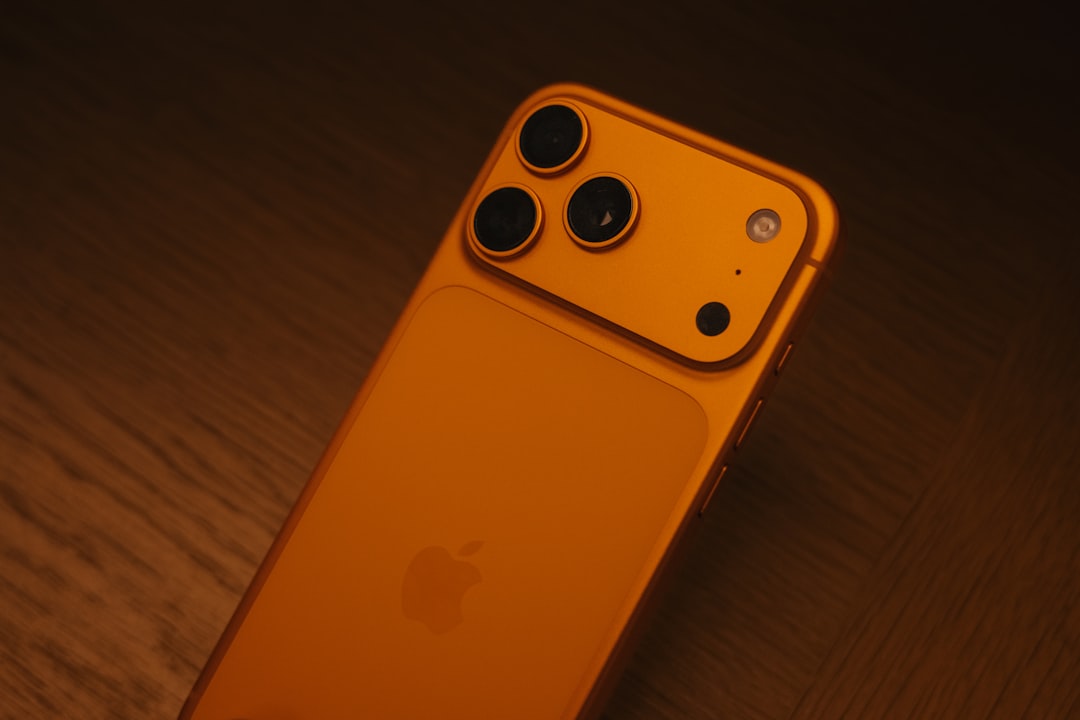

Tim Cook doesn't usually drop hints this obvious. But there he was last week at New York's Grand Central Terminal, telling interviewer Nikias Molina that there's 'so much left that we can do with the iPhone.' The comment feels calculated — and honestly, it should have Android manufacturers slightly worried, especially in markets like India where the smartphone battle is intensifying.
The Apple CEO's timing isn't coincidental. We're barely two months away from iPhone 17 development leaks typically starting, and Cook's already setting expectations. 'I think it's going to continue to be...' he said, before trailing off deliberately. Classic Cook move, but this time it carries more weight given Apple's aggressive push into emerging markets.
What Cook Actually Said — And What He Didn't
Cook's comments were frustratingly vague. No mention of foldables, no AR glasses teasing, nothing about the rumoured iPhone 17 Air that's supposedly coming. Just that cryptic 'so much left' line that could mean anything from better cameras to new battery tech.
But here's the thing — Cook's proven track record suggests this isn't just marketing fluff. Remember when he hinted at 'exciting new categories' back in 2013? We got the Apple Watch. When he mentioned 'breakthrough innovation' in 2016? Face ID arrived the following year.
This time, though, the stakes are higher. Apple's facing unprecedented competition in India, where they're finally gaining serious traction. The company's local manufacturing through Foxconn and aggressive pricing strategies for older models have helped, but the iPhone 17 series needs to deliver something substantial to maintain momentum.
Deep Dive: Technical Innovations on the Horizon
Based on supply chain reports and Apple's recent patent filings, several breakthrough technologies are likely candidates for Cook's cryptic comments. First, there's the rumoured A19 Bionic chip built on TSMC's advanced 2nm process. This isn't just about raw performance — it's about efficiency that could finally deliver true all-day battery life for power users.
The chip architecture suggests Apple's doubling down on AI processing capabilities. We're talking about on-device AI that could handle complex tasks without cloud dependency — crucial in India where data costs and connectivity remain concerns for many users. Imagine real-time language translation that works offline, or camera AI that can identify and optimize for Indian lighting conditions automatically.
Then there's the display technology. Reports suggest Apple's working on ProMotion displays that adapt not just refresh rates but color temperature and brightness based on ambient conditions and usage patterns. For Indian users dealing with intense sunlight and varied indoor lighting, this could be transformative.
The camera system rumors are particularly intriguing. Apple's supposedly developing a periscope zoom system that doesn't add bulk — addressing one of the main complaints about Pro models. More importantly for the Indian market, there are hints of improved low-light performance that could handle everything from dimly lit restaurants to early morning photography during festivals.
India Market Context: Pricing and Positioning Strategy
Let's talk numbers. The iPhone 15 Pro launched in India at ₹1,34,900, which put it squarely in premium territory. But Apple's been playing a smarter game lately with local manufacturing reducing costs and older models getting significant price cuts during festivals.
If the iPhone 17 series delivers genuinely breakthrough features, Apple might justify premium pricing again. But they're also rumored to be working on the iPhone 17 Air — potentially positioned between the standard and Pro models at around ₹95,000-₹1,05,000 range. This could be Apple's answer to the 'premium but not flagship' segment that OnePlus and Samsung dominate in India.
The local manufacturing angle is crucial here. Apple's investment in Indian production through partners like Foxconn and Pegatron means reduced import duties and faster local availability. This strategy paid off with the iPhone 15 series launching simultaneously in India — a first for Apple.
Competitive Landscape: Samsung Galaxy S25 and OnePlus 13 Challenge
Apple's not operating in a vacuum. Samsung's Galaxy S25 series, expected around the same time as iPhone 17, is rumored to feature significant AI improvements and better integration with Google services. For Indian users who rely heavily on Google's ecosystem, this poses a real challenge to Apple's growth plans.
Samsung's advantage in India remains pricing flexibility. The Galaxy S24 series launched with aggressive trade-in offers and EMI schemes that Apple struggles to match. If the Galaxy S25 delivers similar camera quality and AI features at ₹20,000-₹30,000 less than the iPhone 17, that's a compelling proposition for cost-conscious Indian buyers.
Then there's OnePlus 13, which has carved out a loyal following in India with flagship specs at mid-premium pricing. OnePlus understands Indian users' priorities — fast charging, gaming performance, and value for money. The OnePlus 13's rumored 100W charging and gaming-focused optimizations directly challenge areas where iPhones traditionally lag.
What's interesting is how these competitors are pushing Apple to innovate. The iPhone 16 series already showed signs of Apple responding to market pressure with improved battery life and faster charging. The iPhone 17 series will likely accelerate this trend.
Real-World Use Cases for Indian Buyers
Let me break down what these rumored iPhone 17 improvements could mean for actual Indian users. Take Rajesh, a Mumbai-based photographer who currently struggles with iPhone's low-light performance during wedding shoots. The rumored camera improvements could eliminate his need for professional lighting equipment in many scenarios.
Or consider Priya, a Bangalore tech executive who travels frequently between cities. Better battery optimization and faster charging could mean she no longer needs to carry power banks or plan charging stops during long meetings.
For students like Arjun in Delhi, improved AI capabilities could mean better note-taking apps, real-time translation during international collaboration projects, and more efficient multitasking — all without draining battery life.
The business use case is compelling too. With Apple's growing enterprise presence in India, features like enhanced security, better video calling quality, and improved productivity apps integration could drive corporate adoption.
My Assessment: Cook's Strategy and Market Implications
Having covered Apple's India journey for years, I think Cook's comments reflect a calculated confidence about the iPhone 17 series. Apple's finally cracked the code on Indian market entry — local manufacturing, festival season pricing, and features that matter to Indian users.
But Cook's also under pressure. Apple's global iPhone sales have plateaued, and India represents one of the few high-growth markets remaining. The iPhone 17 series needs to be genuinely innovative, not just incrementally better, to justify continued premium pricing in a market where ₹1,00,000+ phones are still considered luxury purchases.
My prediction? The iPhone 17 series will focus heavily on AI integration, battery life, and camera performance — areas where Apple can differentiate from Android competitors. The rumored iPhone 17 Air could be Apple's attempt to capture the ₹80,000-₹1,00,000 segment that's currently dominated by premium Android devices.
The success will ultimately depend on execution and pricing strategy. If Apple can deliver breakthrough features while keeping prices reasonable through local manufacturing benefits, they could significantly expand their Indian market share.
Timeline and Expectations
Expect more concrete leaks starting March 2025, with official announcements likely in September 2025. Based on Apple's recent patterns, Indian availability should be simultaneous with global launch — a significant advantage over previous years.
The key will be watching Apple's supplier investments and patent filings over the next few months. Cook's comments suggest confidence, but the proof will be in actual product delivery and market response.
Frequently Asked Questions
When will iPhone 17 series launch in India and at what price?
Based on Apple's recent patterns, expect iPhone 17 series announcement in September 2025 with simultaneous India launch. Pricing will likely start around ₹89,900 for the base model, with the rumored iPhone 17 Air positioned at ₹95,000-₹1,05,000, and Pro models starting at ₹1,35,000. Local manufacturing should help keep prices competitive compared to import-dependent launches.
How will iPhone 17 compete with Samsung Galaxy S25 in India?
iPhone 17's rumored AI capabilities and improved battery life will directly challenge Galaxy S25's Google AI integration and fast charging advantages. The key battleground will be pricing and ecosystem integration. Apple's advantage lies in long-term software support and privacy features, while Samsung offers more flexibility in pricing and Google services integration that Indian users prefer.
Should Indian buyers wait for iPhone 17 or buy iPhone 15/16 now?
If you need a phone immediately, iPhone 15 offers excellent value with current discounts, especially during festival seasons. However, if you can wait until September 2025 and want modern AI features, improved cameras, and better battery life, iPhone 17 series appears to offer significant upgrades. The decision depends on your urgency and budget flexibility.
What specific features will appeal most to Indian smartphone users?
Based on market trends, Indian users will likely appreciate improved battery life, better low-light camera performance, faster charging, and on-device AI that works without constant internet connectivity. The rumored improvements in display visibility under bright sunlight and enhanced durability will also resonate with Indian usage patterns and climate conditions.