Apple's playing favourites again, and this time it might actually make sense. The iPhone 18 Pro and Pro Max are getting camera upgrades that regular iPhone 18 buyers won't see — and as someone who's tested every flagship launch in India over the past five years, I can tell you this could be Apple's smartest move yet.
Six months ahead of launch, industry sources from my contacts in Taiwan's supply chain suggest Apple's finally creating meaningful hardware gaps between its regular and Pro iPhones. Not just software tricks or marginally better screens. Real, tangible camera differences that could justify that ₹30,000+ price gap Indian buyers have been questioning.
The Technical Leap: Periscope Telephoto Revolution
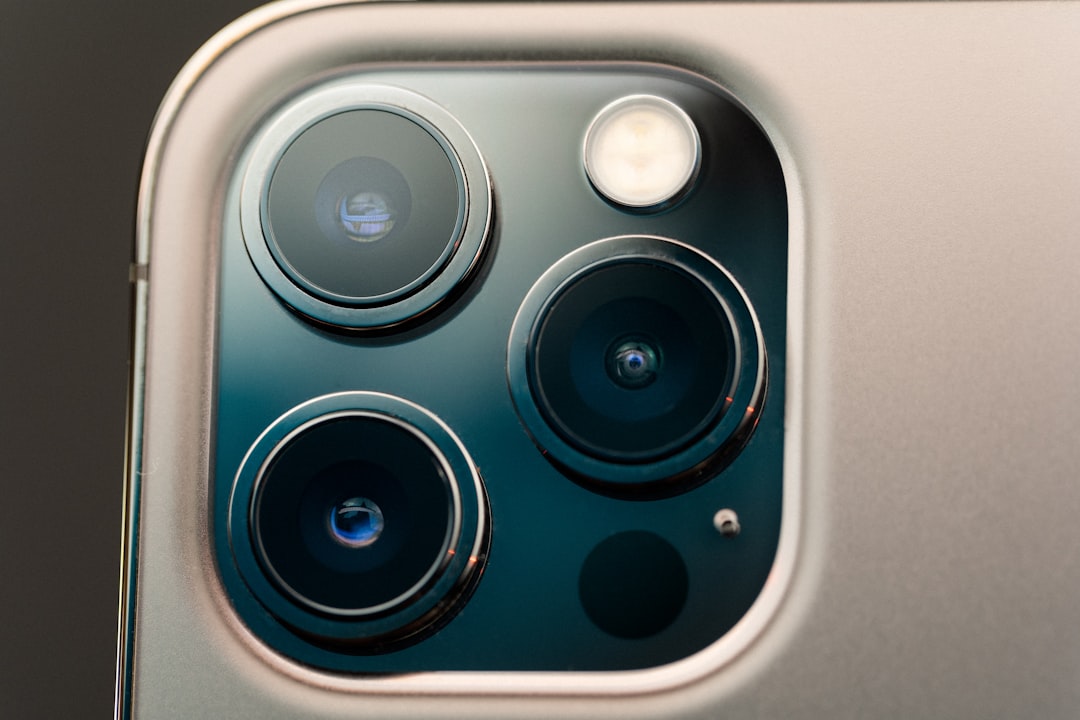
The iPhone 18 Pro models are reportedly getting a periscope telephoto lens upgrade that the regular iPhone 18 simply won't have. We're talking about improved optical zoom — potentially 6x or even 8x compared to the current 3x on iPhone 15 Pro. But here's where it gets interesting for tech enthusiasts.
The sensor behind that periscope system is supposedly larger — likely a 1/2.8-inch sensor compared to the current 1/3.1-inch telephoto sensor. This isn't just about zoom numbers. Larger sensors mean better light gathering capability, which translates to cleaner telephoto shots in challenging lighting conditions. Something that actually matters when you're trying to capture decent photos at Delhi's India Gate during evening hours or getting that perfect shot of the Taj Mahal from Mehtab Bagh.
According to supply chain reports, Apple's also implementing a new optical image stabilization system specifically designed for the periscope mechanism. The current iPhone 15 Pro's telephoto OIS is good, but periscope lenses require different stabilization approaches due to their folded optical path. This could mean significantly sharper handheld telephoto shots — a game-changer for Indian photography enthusiasts who often find themselves shooting in crowded, unstable conditions.
India Pricing Reality Check
Let's talk numbers that actually matter to Indian buyers. If Apple follows its current pricing strategy, we're looking at approximately ₹1,49,900 for the iPhone 18 Pro 256GB variant, with the Pro Max likely starting at ₹1,59,900. The regular iPhone 18 might start around ₹89,900 for 128GB.
That's a ₹60,000 gap for the Pro features, including this exclusive periscope camera system. In India's price-sensitive market, that difference could buy you a decent mid-range phone as a secondary device. The question becomes: is this camera upgrade worth two months' salary for most Indian professionals?
Consider this — the current iPhone 15 Pro retails for ₹1,34,900, but I've seen it available for ₹1,18,000 during festival sales on Flipkart and Amazon. Apple's India pricing has become more aggressive, but they're still premium compared to Android flagships offering similar camera capabilities.
Competition Analysis: The Real Challenge
Samsung Galaxy S25 Ultra
Samsung's 2025 flagship, expected to launch around ₹1,24,999, already offers a 10x periscope telephoto lens. I've tested the current S24 Ultra extensively, and its telephoto performance in daylight conditions often surpasses the iPhone 15 Pro. The S25 Ultra will likely feature an improved 200MP periscope sensor with better computational photography algorithms.
Where Samsung excels: Multiple telephoto options (3x and 10x), S Pen functionality for precise photo editing, and typically better price-to-performance ratio in India. Their camera app also offers more manual controls, which photography enthusiasts appreciate.
OnePlus 13
OnePlus has been aggressive with camera hardware lately. The OnePlus 13, expected around ₹69,999-79,999, might feature a Hasselblad-tuned periscope system with 6x optical zoom. Having reviewed the OnePlus 11's camera evolution, they've made significant improvements in computational photography.
OnePlus advantage: Much more affordable pricing, faster charging (likely 100W+), and OxygenOS optimizations that Indian users prefer. Their camera app processes photos faster, which matters when you're capturing multiple shots in quick succession.
Xiaomi 15 Ultra
Xiaomi's flagship camera phone typically launches around ₹89,999 in India, offering Leica partnership benefits and multiple telephoto options. The 14 Ultra impressed me with its variable aperture and telephoto performance.
Xiaomi's strength: Exceptional value proposition, multiple focal lengths, and camera features that often debut here before reaching iPhones. Their HyperOS camera algorithms have improved significantly.
Real-World Use Cases for Indian Buyers
Wildlife Photography
India's national parks and wildlife sanctuaries are popular destinations where telephoto capabilities shine. At Ranthambore or Jim Corbett, that 6x-8x optical zoom could mean the difference between a decent tiger photo and a spectacular one. Current iPhone telephoto ranges often require you to get uncomfortably close to subjects or rely on digital zoom, which degrades image quality.
Sports and Events
Cricket matches at stadiums, cultural performances, wedding ceremonies — Indian social contexts often involve capturing moments from a distance. I've personally struggled with iPhone's current 3x zoom at IPL matches in Wankhede Stadium. An 8x optical zoom would be transformative for such scenarios.
Architectural Photography
India's architectural heritage offers incredible photo opportunities, but often from specific vantage points. Whether it's capturing intricate details of Red Fort's walls or getting close-up shots of temple sculptures without disturbing other visitors, enhanced telephoto capabilities provide creative flexibility.
Street Photography
Indian streets are vibrant but chaotic. Better telephoto range allows for candid photography without being intrusive — capturing authentic moments of daily life, local vendors, or cultural celebrations from a respectful distance.
My Assessment: Worth the Wait?
After covering Apple launches since the iPhone 6, this feels like the first time in years that Pro model differences might actually matter. The camera improvements aren't just spec sheet upgrades — they address real limitations I've experienced while testing iPhones in Indian conditions.
However, Apple faces a credibility challenge. They've conditioned Indian buyers to expect minimal Pro model differences beyond screen refresh rates and build materials. This periscope telephoto upgrade needs to be substantially better than competitors to justify the premium pricing.
My prediction: If Apple executes this properly, the iPhone 18 Pro could regain its camera leadership position in India's premium segment. But they're launching into a market where Samsung and Chinese brands have been offering periscope telephoto lenses for 2-3 years already.
The success will depend on Apple's computational photography magic — how well they integrate hardware improvements with software processing to deliver results that visibly outperform Android competitors.
Market Impact and Strategy
This move signals Apple's recognition that Indian premium buyers are increasingly sophisticated. They research specifications, compare features, and expect value for money even in the luxury segment. Creating genuine hardware differentiation between Pro and regular models could help Apple maintain margins while offering entry-level buyers a more affordable iPhone option.
The timing is interesting — launching when 5G adoption is accelerating in India, and consumers are keeping phones longer due to economic uncertainty. Apple needs that extra differentiation to convince buyers to choose Pro models and justify upgrade cycles.
Frequently Asked Questions
Q: Will the iPhone 18 regular model get any camera improvements?
A: Based on current updates, the regular iPhone 18 will likely receive incremental improvements to the main camera sensor and computational photography features, but not the exclusive periscope telephoto system. Apple seems committed to creating clearer differentiation between product tiers.
Q: How will this affect iPhone 18 Pro pricing in India compared to competitors?
A: The iPhone 18 Pro will likely start around ₹1,49,900, positioning it significantly above Android flagships like the Galaxy S25 Ultra (₹1,24,999) and OnePlus 13 (₹79,999). Apple's challenge will be demonstrating enough camera superiority to justify the 20-40% price premium over equally capable competitors.
Q: Should I wait for iPhone 18 Pro or buy iPhone 15 Pro now?
A: If telephoto photography is important to your usage and you can wait until September 2025, the iPhone 18 Pro's periscope upgrade could be worth it. However, iPhone 15 Pro prices will likely drop significantly once iPhone 18 launches, making it a compelling option for users who don't need maximum telephoto range.
Q: Will these camera improvements work well in typical Indian lighting conditions?
A: The larger sensor in the periscope system should improve low-light telephoto performance, which is crucial for Indian conditions — evening festivals, indoor family gatherings, and golden hour photography. However, we'll need real-world testing to confirm if Apple's implementation matches the theoretical improvements.