iPhone Tap to Pay Expands to Mexico: What It Means for India
Apple just flipped the switch on Tap to Pay for iPhone users in Mexico. No fanfare, no big announcement — just a quiet expansion that could signal bigger things ahead for markets like India.
The feature lets Mexican iPhone users turn their device into a payment terminal. Small businesses can now accept contactless payments directly through their iPhone, without needing additional hardware. Pretty neat, honestly.
But here's what caught my attention. Mexico represents Apple's first major push into Latin America with this technology. And honestly? That timing feels deliberate.
What Exactly Did Apple Launch in Mexico?
Tap to Pay on iPhone works exactly like you'd expect. A customer taps their contactless card, iPhone, or Apple Watch against the merchant's iPhone. Transaction complete. No Square reader, no extra dongles, no monthly hardware fees.
The Mexican rollout includes support for major payment networks — Visa, Mastercard, American Express. Local banks like Banorte and BBVA are already onboard. Which is crucial for adoption.
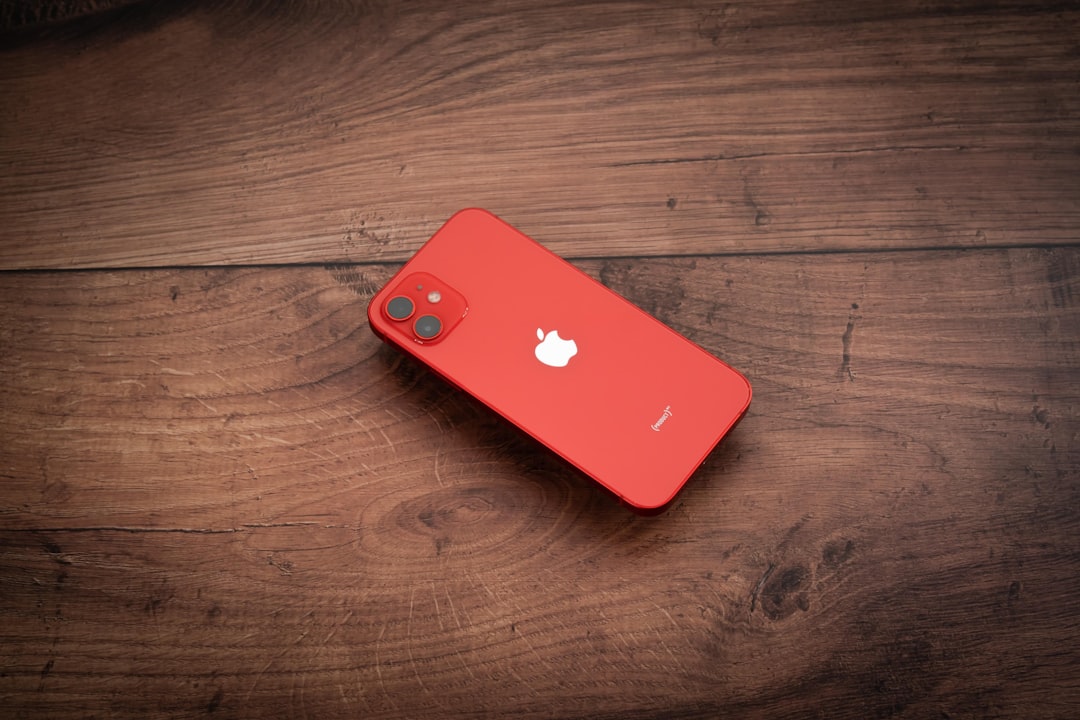
Merchants need an iPhone XS or newer running iOS 15.4+. That's it. The NFC chip handles everything else. Simple enough that a street vendor could start accepting card payments tomorrow.
My honest take? This isn't revolutionary technology. But it's Apple finally moving beyond the US market with genuine determination.
Technical Reality Check — How It Actually Works
The underlying tech isn't new. Apple's been using NFC for Apple Pay since 2014. Tap to Pay just reverses the equation — instead of your iPhone paying, it accepts payment.
Security relies on Apple's Secure Element chip. Each transaction generates a unique cryptogram that can't be reused. Even if someone intercepts the data, it's useless for fraudulent transactions.
Processing happens through existing payment apps. In Mexico, merchants download apps from providers like Stripe, Square, or local fintech companies. The iPhone becomes the terminal, but the payment infrastructure stays the same.
Which brings up an interesting India angle. We already have incredibly sophisticated UPI infrastructure. The question isn't whether Tap to Pay could work here — it's whether it needs to.
| Feature | Details |
|---|---|
| Supported iPhones | iPhone XS and newer models |
| iOS Requirement | iOS 15.4 or later |
| Payment Networks | Visa, Mastercard, American Express |
| Transaction Limit | Varies by merchant app and region |
| Additional Hardware | None required |
The real limitation? This only works for contactless cards and devices. Cash transactions still need traditional methods. In India, where cash remains king for small merchants, that's a significant constraint.
India's UPI vs Apple's Vision
Here's where things get interesting for Indian users. We've built the world's most successful real-time payment system with UPI. Over 100 billion transactions annually. Most of them happen through QR codes and apps like PhonePe or Paytm.
Apple's Tap to Pay targets a different use case entirely. It's designed for merchants who want to accept international card payments without buying expensive point-of-sale terminals. In Mumbai's Linking Road or Delhi's Connaught Place, plenty of smaller shops still can't accept cards because of the hardware costs.
But — and this is crucial — Indian consumers have already moved past cards for most payments. Why would a customer tap their card on an iPhone when they can scan a UPI QR code and pay directly from their bank account? UPI transactions are free, instant, and don't involve credit card fees.
My prediction? If Apple brings Tap to Pay to India, it'll primarily serve tourists and business travelers. Local adoption might remain limited unless Apple integrates with UPI somehow. Which seems unlikely given Apple's preference for controlling the entire payment stack.
Is Apple missing the point in India? Possibly. The company's still pushing Apple Pay here, despite UPI's overwhelming dominance.
₹60,000 iPhone vs ₹15,000 Android for Payments
This highlights a bigger issue with Apple's payment strategy in India. Tap to Pay requires an iPhone XS or newer — devices that cost ₹60,000 minimum in the Indian market. Most small merchants aren't carrying phones that expensive.
Compare that to UPI acceptance. Any Android phone above ₹8,000 can run PhonePe or Paytm perfectly. Even feature phones now support UPI through USSD codes. The barrier to entry is dramatically lower.
Apple's targeting premium merchants who serve international customers. High-end restaurants in Gurgaon. Boutiques in Bandra. Places where customers might prefer paying with their American Express card instead of opening Paytm.
More iPhone news on The Tech Bharat suggests Apple's payment ambitions remain focused on premium market segments. Which makes sense for a company that sells ₹1,50,000 phones.
But it also means Tap to Pay won't disrupt India's payment ecosystem the way UPI did. Different target market, different use case, different price point.
When Could India Actually Get This Feature?
Apple launched Tap to Pay in the US during 2022. The UK followed in 2023. Now Mexico in 2026. The pattern suggests Apple adds 1-2 new markets annually.
India's probably 2027 at the earliest. Maybe 2028. Apple typically focuses on markets with high iPhone penetration first. We're not there yet — iPhone market share in India hovers around 5-6%.
Regulatory approval could add delays. The Reserve Bank of India scrutinizes new payment technologies carefully. Apple would need to work with local banks and payment processors. That takes time.
There's also the question of demand. Indian merchants have already solved contactless payments through UPI QR codes. Would they adopt another system that requires expensive hardware and serves primarily foreign customers?
My honest assessment? Apple will eventually bring Tap to Pay to India. But it'll remain a niche feature for premium merchants, not a mainstream payment solution.
The real winners might be tourists. Imagine visiting Delhi and being able to pay for street food with your contactless card, directly through the vendor's iPhone. That could be genuinely useful.
Comparison: Apple's Approach vs Google's Strategy
Google took a completely different approach in India. Instead of pushing Google Pay as a premium solution, they embraced UPI from day one. Google Pay became one of India's most popular UPI apps by working within the existing infrastructure.
Apple's betting on hardware-first solutions. Premium devices enabling premium services for premium customers. It's worked well in developed markets but struggles in price-sensitive regions like India.
Compare phones on The Tech Bharat and you'll see the fundamental challenge. The cheapest iPhone that supports Tap to Pay costs more than most Indians spend on smartphones annually.
Realistically, Apple's payment strategy in India will remain limited until iPhone prices drop significantly. Which probably isn't happening anytime soon.
| Pros | Cons |
|---|---|
| No additional hardware required | Requires expensive iPhone (₹60,000+) |
| Accepts international cards | Limited utility vs existing UPI infrastructure |
| Apple's security standards | No integration with popular Indian payment apps |
| Simple setup process | Targets niche merchant segment |
| Works with existing payment processors | May face regulatory hurdles in India |
Should Indian iPhone Users Get Excited?
If you're running a premium business that serves international customers, Tap to Pay could be genuinely useful. Restaurants in five-star hotels, luxury retail stores, high-end service providers — these businesses could benefit from accepting contactless card payments without investing in expensive terminals.
For everyone else? Probably not a game-changer. Indian consumers have already embraced UPI for digital payments. Small merchants have QR codes. The infrastructure works brilliantly for local transactions.
But here's what interests me. Apple's Mexico expansion suggests the company is finally serious about emerging markets for its services business. India generates massive revenue for Apple's App Store and services division. Payment processing could be the next growth area.
The question isn't whether Apple will bring Tap to Pay to India. It's whether they'll adapt the feature for Indian market realities. Integration with UPI, support for rupee transactions, partnerships with local banks — these would make Tap to Pay genuinely competitive here.
Without those adaptations, it'll remain a premium feature for premium merchants serving premium customers. Which is fine, but hardly transformative.
Personally, I think Apple missed an opportunity. They should have launched Tap to Pay with UPI support from day one. That would have been genuinely innovative and useful for the Indian market.
What Happens Next?
Apple's payment expansion will continue methodically. Expect announcements for Brazil, perhaps some European markets, maybe Australia or New Zealand. India will come eventually, but not soon.
The bigger question is whether Apple adapts Tap to Pay for local market needs or sticks with their global template. Mexico's implementation looks identical to the US version — same features, same limitations, same premium positioning.
If Apple brings that exact approach to India, they'll capture a small slice of premium merchants but miss the massive opportunity that UPI represents. Which would be typical Apple — excellent execution of the wrong strategy for the market.
My verdict? Tap to Pay on iPhone is genuinely useful technology. But Apple's implementation prioritizes simplicity and premium positioning over market adaptation. That works in developed markets. It's less effective in price-sensitive, innovation-hungry markets like India.
For now, Indian iPhone users should stick with UPI apps. They're faster, cheaper, and work with every merchant in the country. Tap to Pay might arrive eventually, but it won't replace what we already have.
Pre-Launch Analysis: This article is based on official announcements and confirmed specifications. India pricing and availability are estimates until official launch confirmation.
Frequently Asked Questions
What is the India price?
Tap to Pay doesn't have a separate cost — it's built into iPhones XS and newer, which start around ₹60,000 in India.
When will it launch in India?
Apple hasn't confirmed India launch plans. Based on global rollout patterns, expect 2027-2028 at the earliest.
Is it worth buying?
For premium merchants serving international customers, yes. For typical Indian businesses, UPI QR codes remain more practical and cost-effective.